
Choosing an ERP for a tire distribution business is less about collecting the longest feature list. It is about matching the system to daily work. Warehouse teams, sales staff, purchasing staff, and customers all need dependable information. A useful evaluation starts with inventory visibility, tire-specific product data, pricing, order processing, fulfillment, reporting, and support.
The best erp for wholesale tire distributors connects purchasing, multi-warehouse inventory, price and availability inquiries, order entry, accounting, and B2B ordering. These functions work together in one practical workflow. TireServ ERP for Wholesale Tire and Auto Parts Distributors is QBC Systems' cloud-based ERP for tire and automotive supply distributors. It is backed by implementation, training, and technical support.
The right choice should make routine decisions clearer without forcing your team to work around software designed for a different type of business. Start by defining the operational requirements that distinguish wholesale tire distribution from general retail or repair-shop management.
What Makes an ERP System Right for Wholesale Tire Distribution?
QBC Systems approaches wholesale tire distribution as a specialized operating environment, not as a generic automotive repair workflow. The right ERP should help a distributor see what is available and where it is located. It should also show what it costs to acquire and sell, and how an order moves from inquiry to fulfillment. That connection matters when sales staff, warehouse teams, purchasing, and management depend on the same operational information.
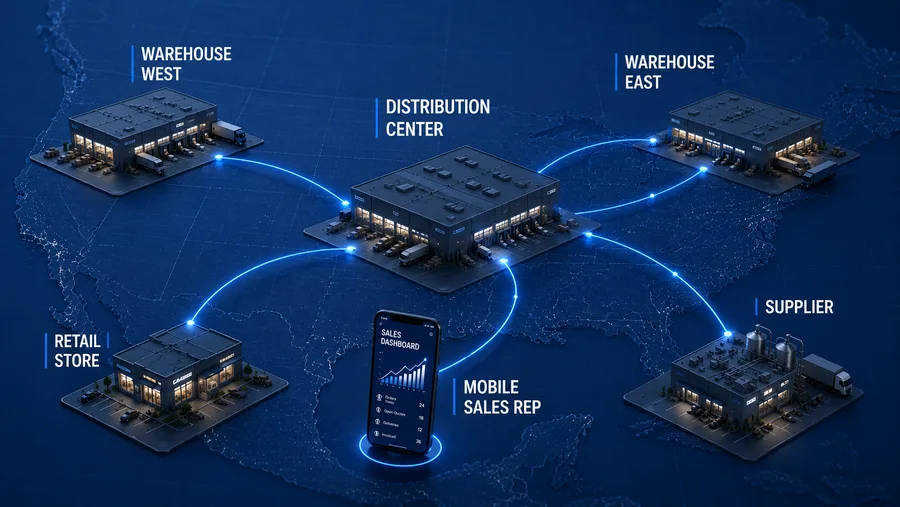
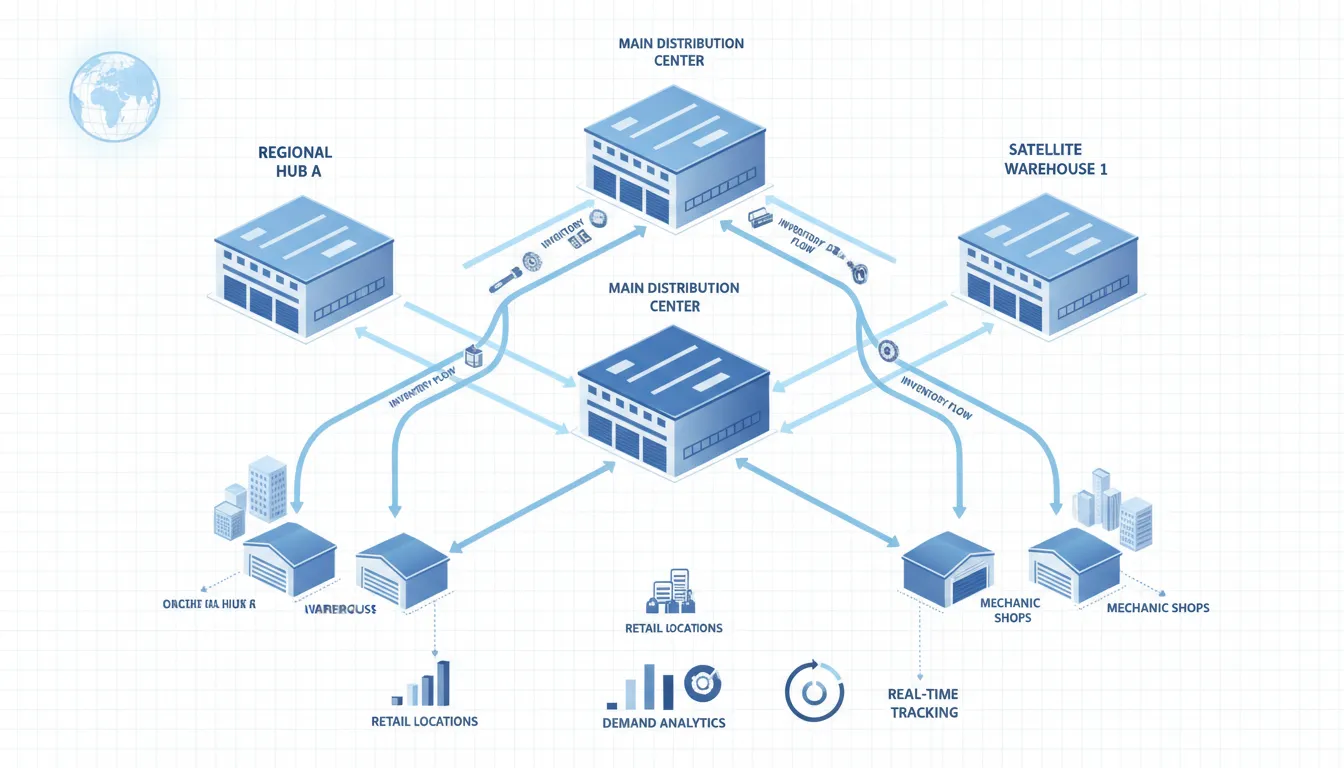
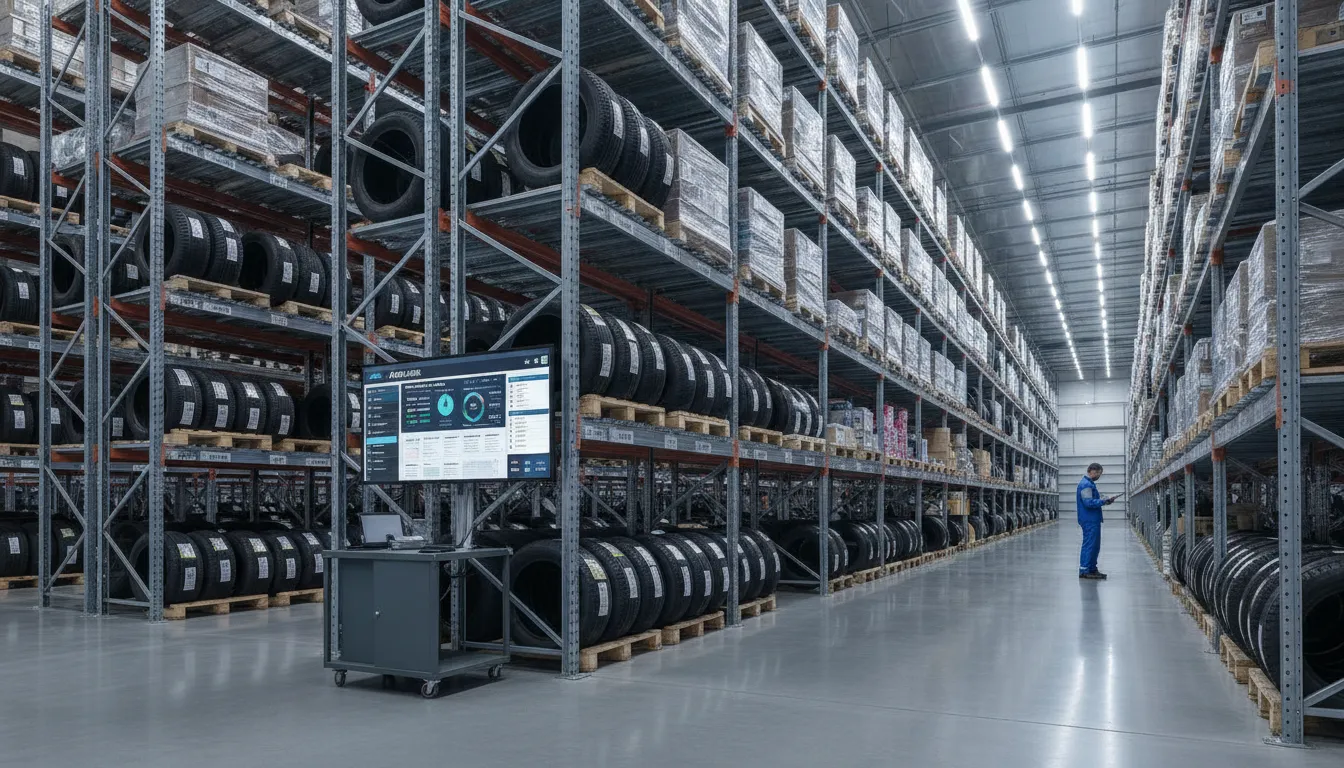
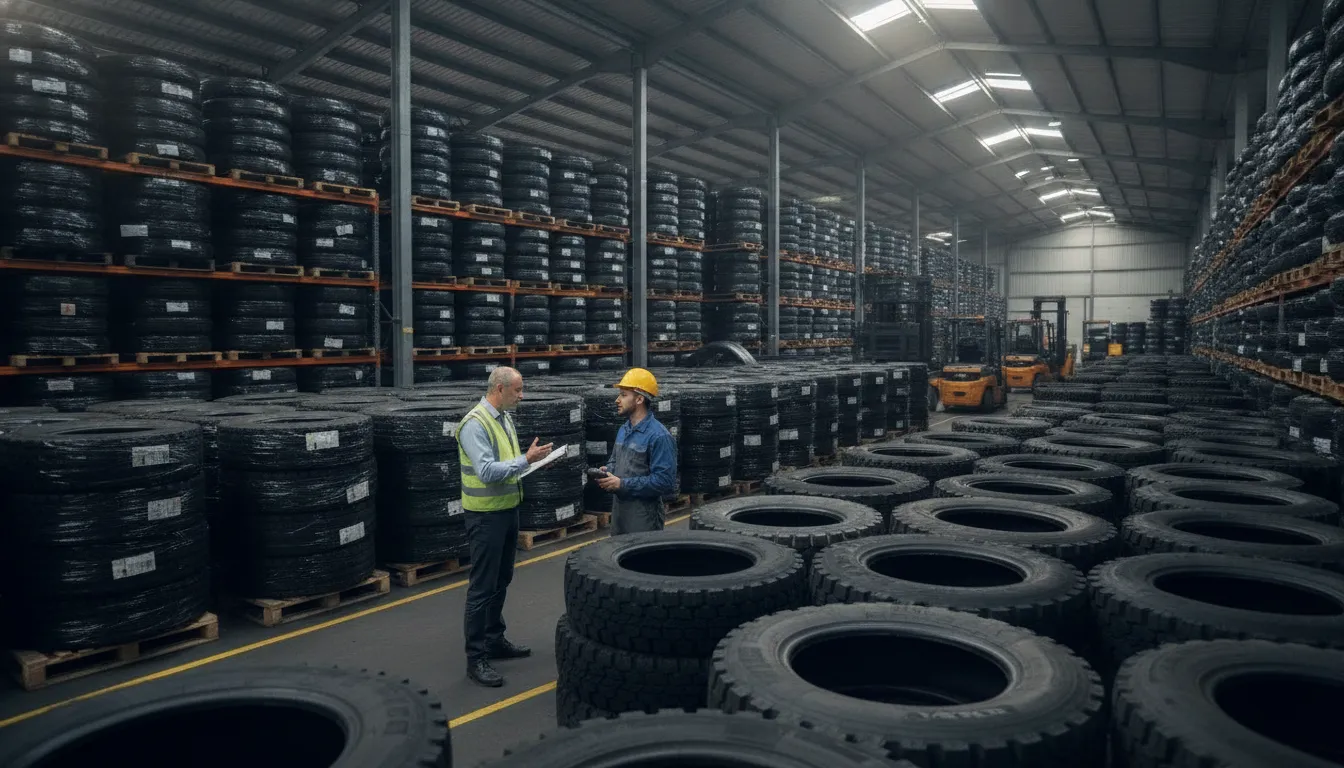
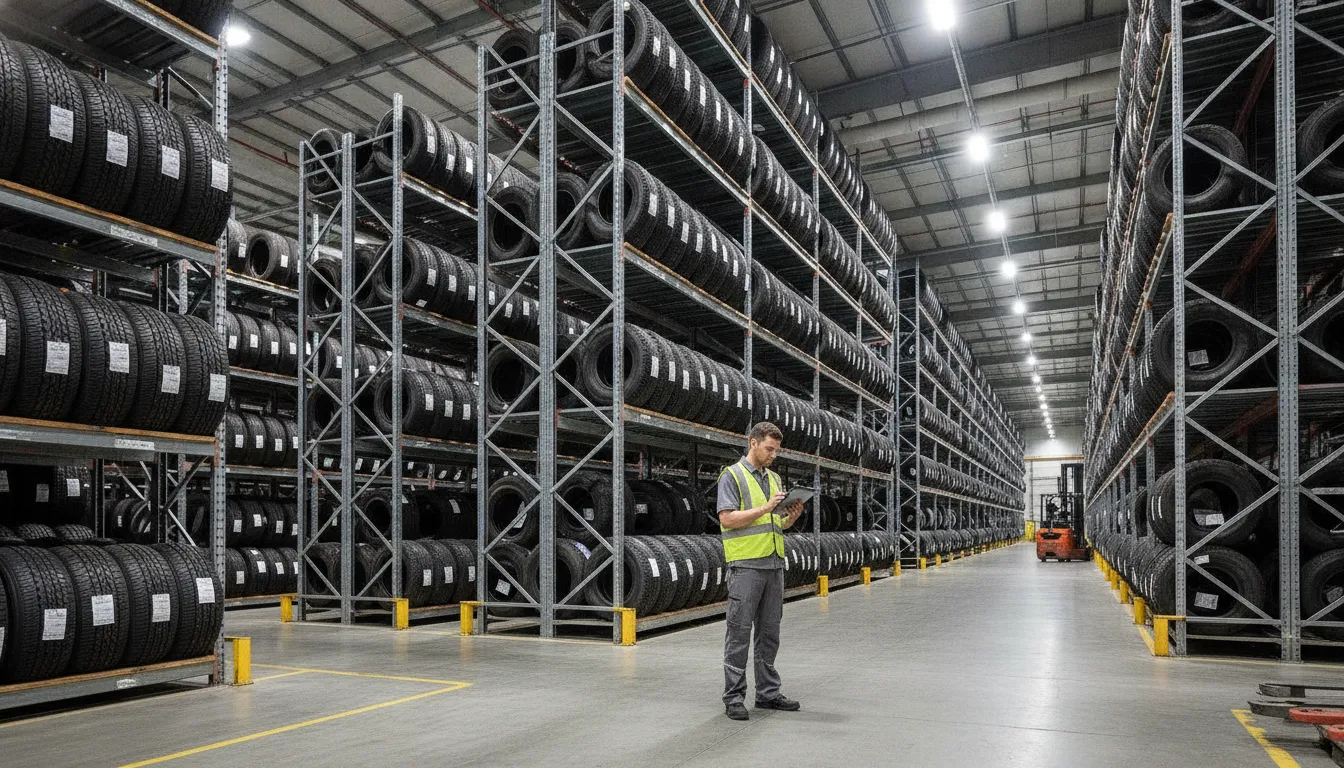
Start with tire-specific inventory. Distributors work with product attributes such as sizes and tread information across multiple locations, so a system should make those details usable during search, replenishment, quoting, and fulfillment. TireServ tire distribution software includes inventory management with multi-warehouse support. Evaluate whether the system can provide a dependable view of stock by warehouse and support the decisions your team makes when inventory is split across locations.
Purchasing and vendor management are equally important. The ERP should connect purchasing activity to inventory needs rather than leaving buyers to reconcile separate spreadsheets or systems. On the sales side, staff need quick price and availability inquiries, formal quotes, and accurate order processing. TireServ documents purchasing and vendor management, along with sales order processing and quoting, as part of its distribution functionality.
- Inventory records that reflect tire-specific product details and warehouse locations.
- Purchasing and vendor information connected to replenishment decisions.
- Fast price, availability, quoting, and order-entry workflows.
- Customer-facing B2B ordering that supports how accounts buy from you.
B2B ordering should also be evaluated from the customer's perspective. A customer-facing portal can give accounts a practical way to place orders, while internal teams retain a clearer connection between the order and available stock. TireServ includes a customer-facing B2B web portal and supports online order entry. This is different from positioning the software as a tool for running an auto repair shop. Repair shops may use a distributor's portal to order tires, but the core ERP fit is for the distributor managing products, customers, warehouses, and orders.
Finally, fit includes the financial and implementation side of the operation. A distributor needs stock, sales, and client data brought together instead of maintained in disconnected tools. QBC identifies distributors as often outgrowing spreadsheets, entry-level accounting tools, or legacy systems when they need stronger inventory, multi-location, mobile, accounting, shipping, and vendor-catalog visibility. The best choice is therefore the system that matches your workflows. It should also be implemented with appropriate configuration, training, and support, not chosen only for its feature count.

Which Modules Should the Best ERP for Wholesale Tire Distributors Include?
QBC Systems organizes TireServ around the daily work of tire and automotive supply distributors, where inventory, purchasing, sales, accounting, and customer service must stay connected. When evaluating the best erp for wholesale tire distributors, look beyond a long feature list. Confirm that each module supports a real workflow across your warehouses and sales channels.
The most useful evaluation starts with these core capabilities:
- Inventory and multi-warehouse control: The system should show stock by location and support the tire-specific details your team uses, including sizes and tread information. Multi-warehouse visibility also gives operations managers a clearer basis for replenishment and fulfillment decisions. TireServ includes inventory management with multi-warehouse support and replenishment logic.
- Purchasing and vendor management: Purchasing staff need a practical way to manage vendors, review availability, and support replenishment. Vendor management should connect to inventory rather than operate as a separate record-keeping exercise. TireServ includes purchasing and vendor management.
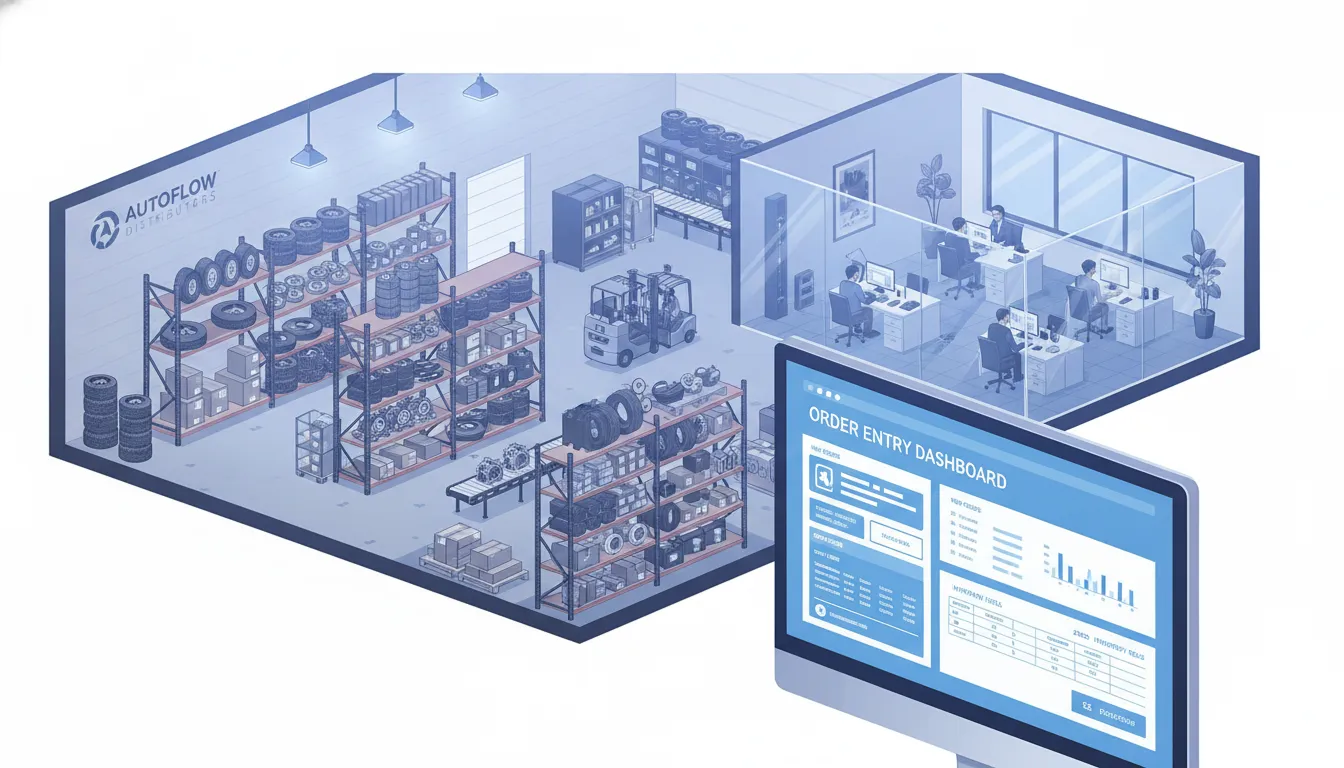
- Sales, order entry, and quoting: Sales and customer service teams should be able to respond to price and availability inquiries, prepare formal quotations, and enter orders without moving information between disconnected tools. TireServ supports these workflows, along with CRM and POS integration.
- Customer-specific pricing, promotions, and rebates: Wholesale accounts may require pricing rules and promotional arrangements that differ by customer or transaction. Ask to see how the system records and applies those arrangements, including rebate tracking. TireServ supports promotions and rebate tracking, as well as price and availability inquiries.
- Accounting: Inventory decisions are incomplete when finance cannot see their accounting impact. Core functions should include accounts receivable, accounts payable, and general ledger support, with banking management where it fits your process. TireServ includes these accounting functions and banking management.
- Reporting and operational inquiries: Managers need timely answers about stock, orders, purchasing, and financial activity. QBC documents more than 150 standard reports and inquiries across its products. During a demonstration, ask which reports are ready to use and which require configuration.
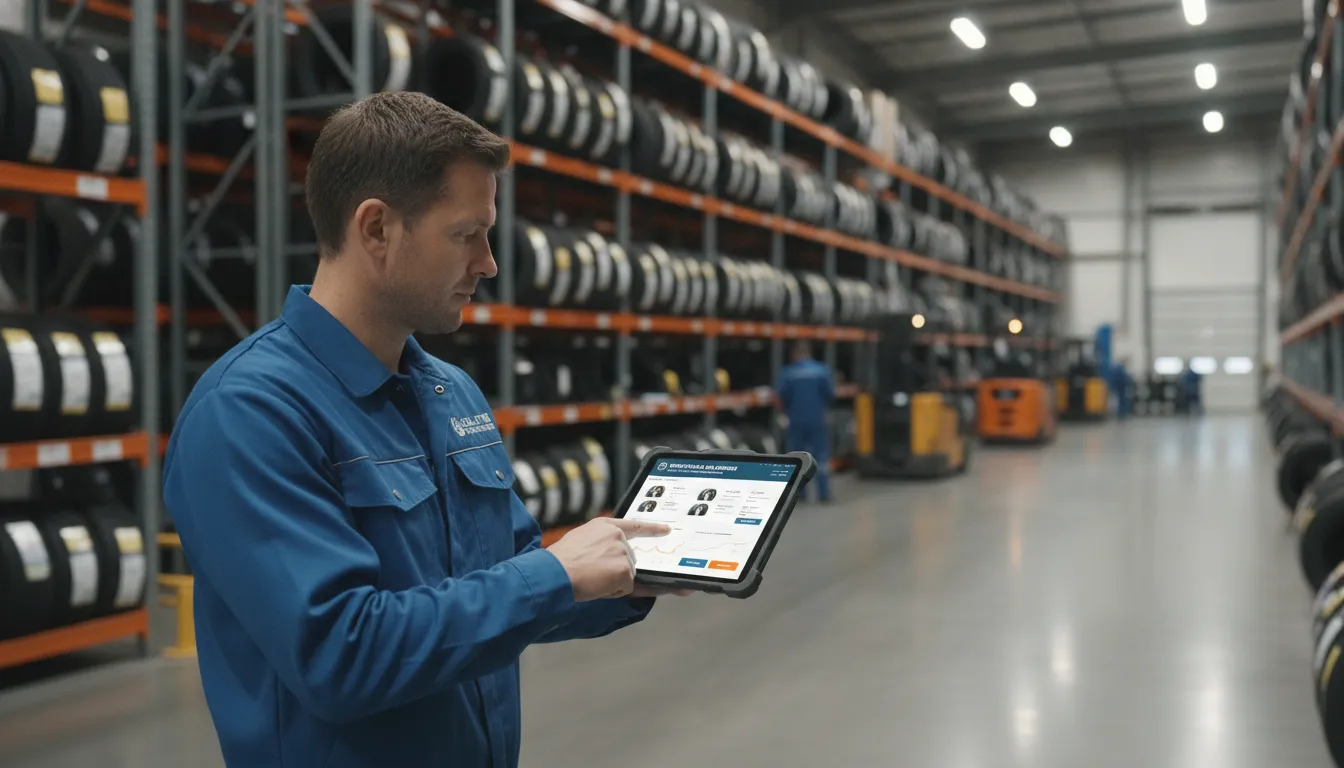
- Mobile access: Mobile access can help staff work with relevant information away from a fixed desk, particularly when sales or warehouse activities extend beyond a single workstation. Verify the specific mobile workflows your teams need rather than assuming every mobile feature is included.
- B2B customer portal: A customer-facing portal can give wholesale buyers an online ordering path while keeping customer and order data connected to the broader system. TireServ includes a B2B web portal. Repair shops may use the portal to order tires, but TireServ is designed for distributors and wholesalers, not repair-shop management.
These modules matter most when they share one operational record for stock, sales, and client data. That unified structure reduces the need to reconcile information across spreadsheets, accounting tools, and separate ordering systems. Review TireServ ERP for Wholesale Tire and Auto Parts Distributors alongside your own order, warehouse, and accounting workflows, then test the complete path from inquiry through fulfillment and reporting.
How Do You Evaluate Tire Distribution ERP Vendors?
QBC Systems recommends evaluating an ERP vendor against the work your distribution team must complete every day, not against a long feature checklist. The best erp for wholesale tire distributors is the system and service model that fit your warehouses, order desk, purchasing process, reporting needs, and plans for growth.
Start by asking whether the vendor understands tire and automotive supply distribution. A relevant demonstration should follow a real workflow: check inventory across locations, review availability, create a quote, process an order, and show how the transaction appears in reporting. TireServ is designed for tire and automotive supply distributors, wholesalers, retail stores, and warehouses, so its fit should be judged in that operating context. Review TireServ tire distribution software as one documented example of this vertical focus.
Test the product and technical architecture
Ask the vendor to explain how the system handles your data, users, locations, and daily access. TireServ is documented as a cloud-based, browser-accessible application powered by MySQL. It does not require client software installation for browser access. Those details matter because they affect how employees access the system and how your team evaluates technical dependencies. QBC also describes its open-platform approach as platform-independent and not tied to proprietary database technology. Request a clear explanation of what that means for your environment rather than assuming every vendor uses the term in the same way.
Reporting deserves its own demonstration. Ask to see the reports and inquiries that managers use to make decisions about inventory, purchasing, order activity, and financial operations. QBC products include more than 150 standard reports and inquiries as a documented capability, but the important question is whether the available views answer your specific management questions.
Evaluate implementation, training, and support as one plan
A software decision is also a service decision. Ask who will lead data migration and configuration, how existing product and customer data will be reviewed. And what training end users receive, and how technical support works after launch. QBC documents professional implementation, data migration and configuration, end-user training, and technical support as part of its service model.
Finally, assess the vendor's ability to support the broader technology environment. Hardware procurement, network management, and managed IT services may be relevant when the ERP rollout touches warehouse workstations, connectivity, or other infrastructure. QBC combines those services with its software offering. Request a written implementation plan, named responsibilities, training scope, support process, and a workflow-specific demonstration before selecting a vendor. That evidence is more useful than a generic promise that the system can do everything.
What Should You Ask Before Choosing a Tire ERP?
QBC Systems recommends treating an ERP demonstration as a working session, not a feature tour. Ask the vendor to show how the system handles your actual wholesale tire processes, data, locations, and customer expectations.
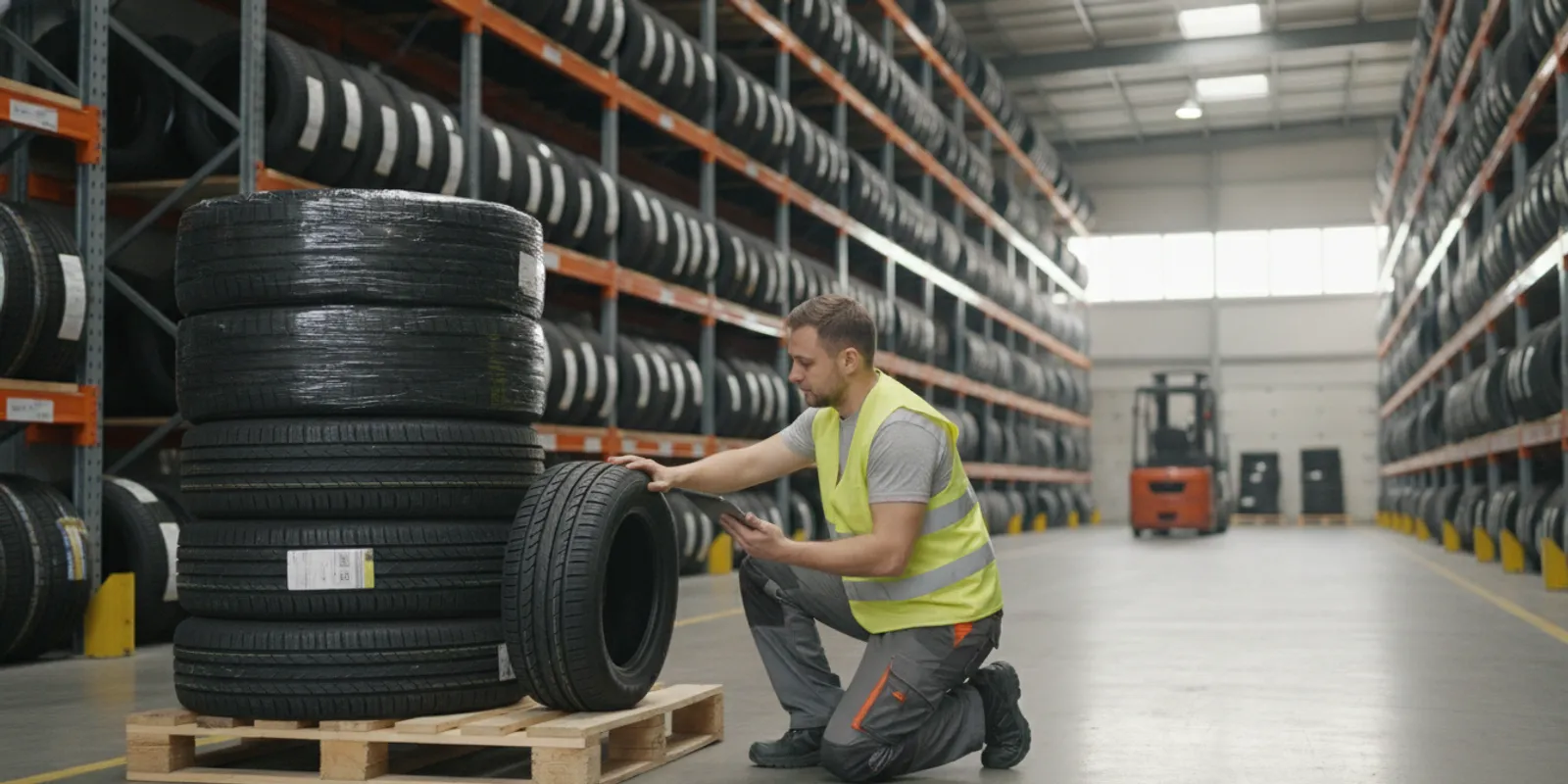
- Can the system model our tire inventory and warehouse workflows? Ask the vendor to demonstrate searches by the tire attributes your team uses, along with receiving, replenishment, picking, and availability across locations. TireServ is documented with inventory management and multi-warehouse support, while tire distributors may need to track details such as sizes and tread information across multiple locations. Multi warehouse inventory software should provide a dependable operational view, not isolated spreadsheets.
- How will purchasing and vendor management work day to day? Request a walkthrough from demand review through purchase orders, vendor records, receiving, and exception handling. Confirm which steps are standard, which require configuration, and what information your purchasing team can report on.
- Can sales and customer service move from inquiry to shipped order? Test a realistic price and availability inquiry, quote, order entry, and fulfillment handoff. The system should support the pace and accuracy your staff need, rather than forcing them to re-enter information between disconnected tools.
- How are pricing rules, promotions, and rebates maintained? Ask to see customer-specific pricing, formal quotations, promotions, and rebate tracking using representative scenarios. Confirm who can change rules, how changes are reviewed, and how the system prevents an outdated price from reaching an order.
- What can customers order through the B2B portal? Establish whether customers can view relevant availability, pricing, and past orders, and ask how portal orders enter the internal workflow. A customer-facing portal should reduce avoidable phone and email steps without removing staff oversight. Review the related tire wholesale ecommerce integration options when digital ordering is part of your roadmap.
- How will our existing data be migrated and validated? Ask for a data inventory, cleanup plan, mapping process, test migration, and sign-off criteria. QBC documents professional implementation, data migration, and configuration as part of its service model. Do not accept a vague promise that data will be imported later.
- Who owns implementation, training, and support after launch? Identify the people responsible for configuration, user training, issue resolution, and escalation. QBC documents end-user training and technical support, along with hardware, networking, and managed IT services where those needs are relevant.
- How will we prove the rollout works before relying on it? Define validation scenarios for receiving, inventory lookup, transfers, pricing, order entry, portal ordering, accounting handoffs, reporting, and mobile access. Use real users and representative transactions, then document corrections before expanding the rollout.
The best ERP decision comes from evidence gathered against your own workflows. Keep the questions, demonstrations, assumptions, and open issues together so the final choice reflects operational fit, implementation ownership, and long-term support.
Why Does Industry Fit Matter More Than a Generic ERP Feature List?
QBC Systems evaluates ERP fit through the daily work of a distributor, not through a long list of disconnected features. A generic system may include inventory, accounting, and order entry. Yet still require staff to force tire-specific information and warehouse decisions into fields that were not designed for them. Tire distributors work with product details such as brand, size, tread, ply, warranties, and core tracking, often across multiple locations. That operating context changes what useful software looks like.
Industry fit also means separating distribution from repair-shop operations. TireServ is designed for tire and automotive supply distributors, wholesalers, retail stores, and warehouses. It is not auto repair shop management software. A repair shop may use the customer-facing portal to order tires. But the distributor needs the underlying ERP to manage stock, purchasing, vendor relationships, sales orders, pricing, and fulfillment. See TireServ tire distribution software for the documented product scope.
| Evaluation area | Generic approach | Tire-distribution requirement |
|---|---|---|
| Product data | Stores general item descriptions and quantities. | Tracks tire-relevant details, including sizes and tread information, across locations. |
| Warehouse control | Shows inventory by a basic location or warehouse field. | Provides multi-warehouse visibility and supports decisions about replenishment and stock movement. |
| Sales workflow | Processes standard orders and quotes. | Handles price and availability inquiries, formal quotations, online order entry, and B2B customer ordering. |
| Business control | Connects core accounting and inventory records. | Brings purchasing, vendor management, order processing, accounting, reporting, and customer data into one operating view. |
| Customer role | May treat every user as an internal employee. | Recognizes the distributor-customer relationship, including a customer-facing portal for ordering. |
These distinctions do not mean a specialized system is automatically right for every company. They give an evaluation team better questions to ask: Can the system represent the products we sell? Can warehouse and sales teams see the information they need without workarounds? Can customers place orders through an appropriate channel? TireServ includes documented capabilities such as multi-warehouse inventory, purchasing and vendor management, order processing and quoting, accounting functions, reporting, mobile access, and a B2B web portal. QBC also supports implementation, data migration, configuration, training, and technical support, so the evaluation can include the service required to put the software into operation.
The practical standard is not whether a platform has the longest feature list. It is whether the platform reflects how a tire distributor buys, stores, prices, sells, and replenishes inventory. QBC has served the distribution industry since 1978, and its wholesale tire distribution ERP guide provides additional context for comparing that operational fit.
How Can You Plan an ERP Rollout Without Disrupting Distribution?
QBC Systems approaches ERP adoption as an operational change, not a software switch to rush through. A measured rollout gives your team time to validate the details that keep tires moving: item data, warehouse quantities, vendor records, customer pricing, order entry, and accounting handoffs. The goal is to replace uncertainty with a sequence of decisions your staff can test.
1. Define the first operating scope
Start by documenting the product lines, locations, order channels, and teams that need to be supported first. Some distributors may choose a focused product-line pilot before expanding. That is a planning option, not a promise that every implementation follows the same path. Establish success criteria around accurate stock visibility, dependable order processing, and usable reports.
2. Prepare data and workflows
List the data that must move into the new system, then identify duplicates, incomplete records, and inconsistent naming before configuration begins. QBC's documented service model includes data migration and configuration, which can help connect the system to the way your business actually buys, sells, stores, and ships inventory.
3. Test real distributor scenarios
Use representative cases rather than a generic software tour. Test a price and availability inquiry, a quote, an order that draws from a particular warehouse, a replenishment decision, and the accounting steps that follow. If customer-facing ordering or mobile access matters, include those workflows in the review.
4. Train users and plan support
Training should follow job responsibilities. Warehouse staff need practical inventory and fulfillment instruction, while sales and customer service teams need order, quote, pricing, and availability workflows. Confirm who handles questions after launch. QBC provides end-user training and technical support, with hardware procurement, network management, and managed IT services also available as part of its broader technology model.
A rollout plan is credible when it names owners, test cases, data checkpoints, training dates, and post-launch support. Ask each vendor to show how those pieces fit together before you commit.
Frequently Asked Questions
How do I choose the best ERP software for a tire distribution business?
Start with your daily workflows, not a generic feature list. Check how each system handles tire inventory, purchasing, vendor management, price and availability inquiries, quoting, order entry, fulfillment, accounting, reporting, and customer service. Then evaluate the implementation plan, data migration and configuration process, end-user training, technical support, and the vendor's ability to support your broader technology environment.
What should a tire ERP provide for multiple warehouses?
Look for multi-warehouse inventory support that helps staff understand stock by location, manage replenishment, and coordinate purchasing and fulfillment. The system should also connect warehouse information with sales orders, pricing, reporting, and accounting so managers are not forced to reconcile separate tools before making an operational decision.
Can tire distribution software support B2B wholesale ordering?
Yes, the right platform can support online order entry and a customer-facing B2B web portal. Evaluate whether sales and customer service teams can check price and availability. Create formal quotations and process orders while wholesale customers have an appropriate way to place and manage orders. Confirm the workflow during a demonstration rather than assuming every portal works the same way.
Why choose specialized ERP instead of generic software?
Specialized ERP is built around the work a distributor actually performs. For tire and automotive supply distribution, that includes inventory, purchasing, pricing, order processing, warehouse operations, replenishment, and wholesale customer ordering. It also helps keep the evaluation focused on distributor needs, rather than selecting a system designed primarily for unrelated industries or auto repair shop management.
Ready to Evaluate Your Next ERP Step?
Contact QBC Systems for a Free Consultation
The right ERP should fit the way your team purchases, stores, sells, and delivers wholesale tires. A practical review can help you compare workflow coverage, implementation needs, and ongoing support before making a decision. Schedule a Demonstration with QBC Systems to discuss your operation and identify the questions your team should resolve next.