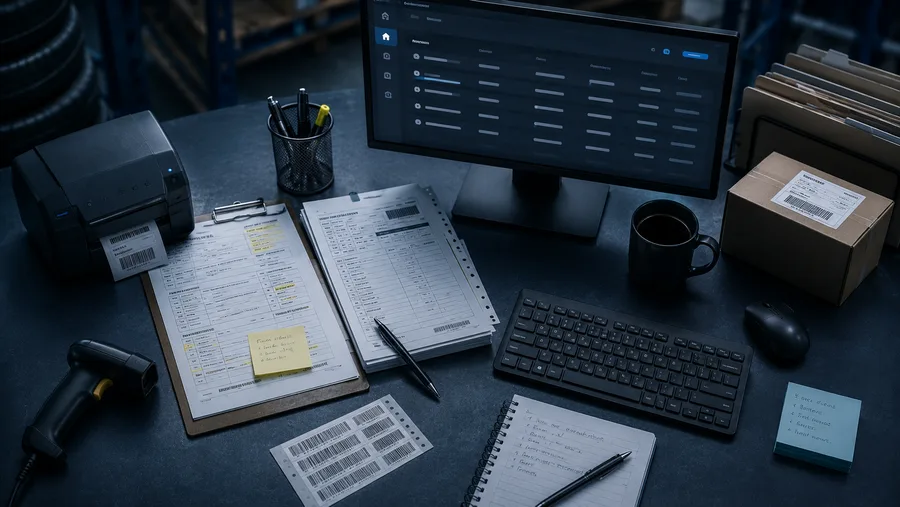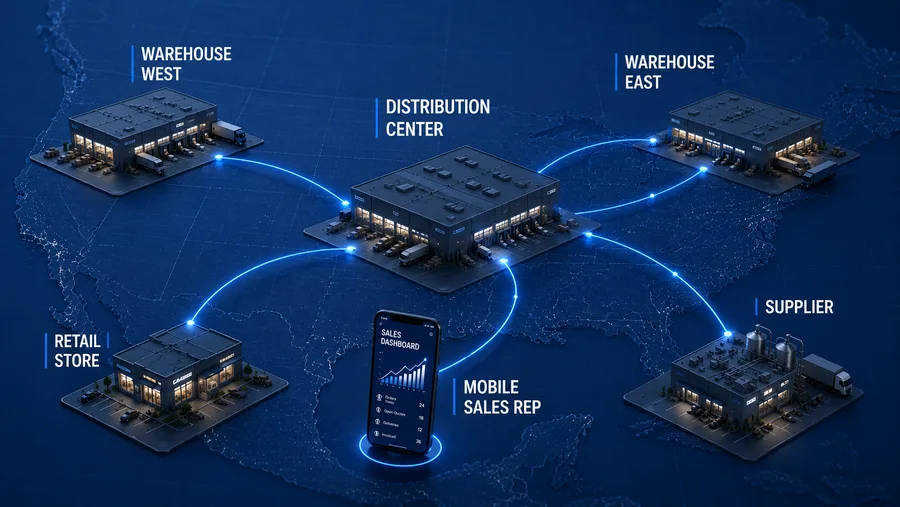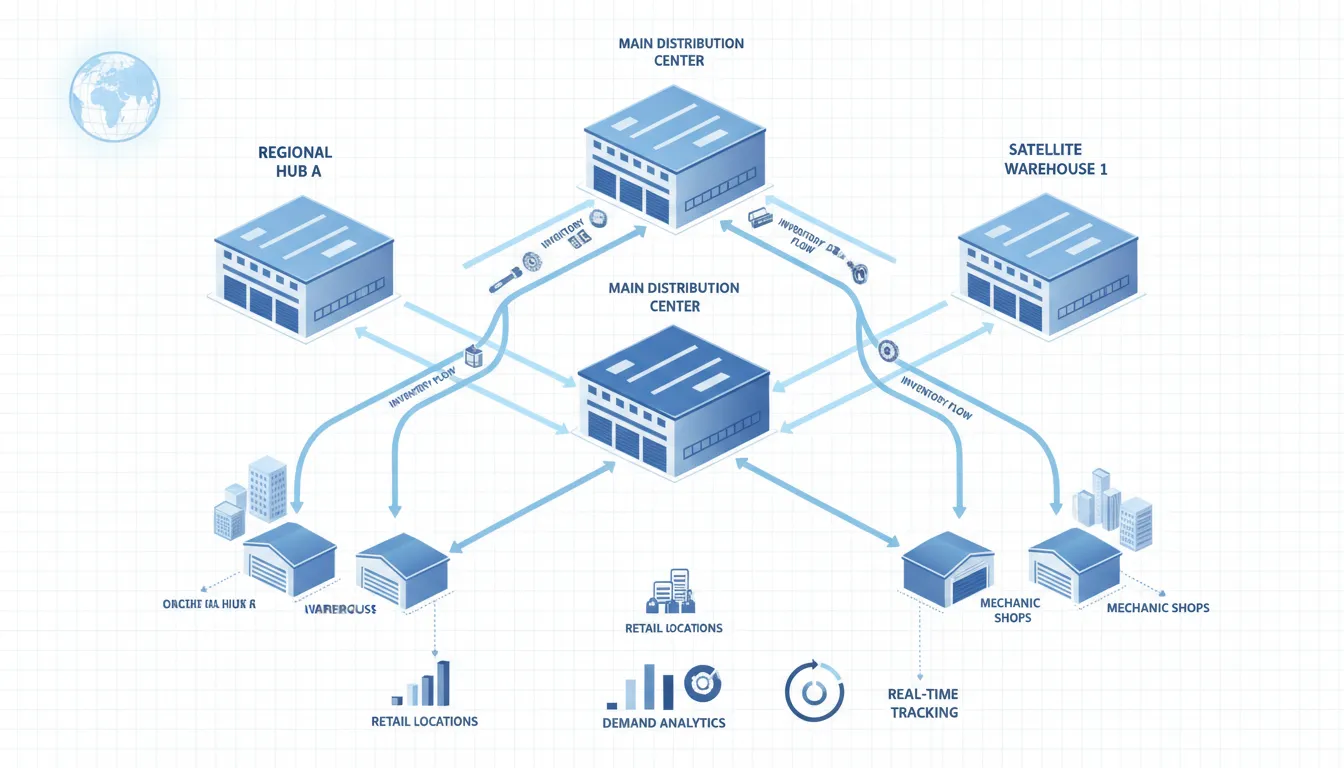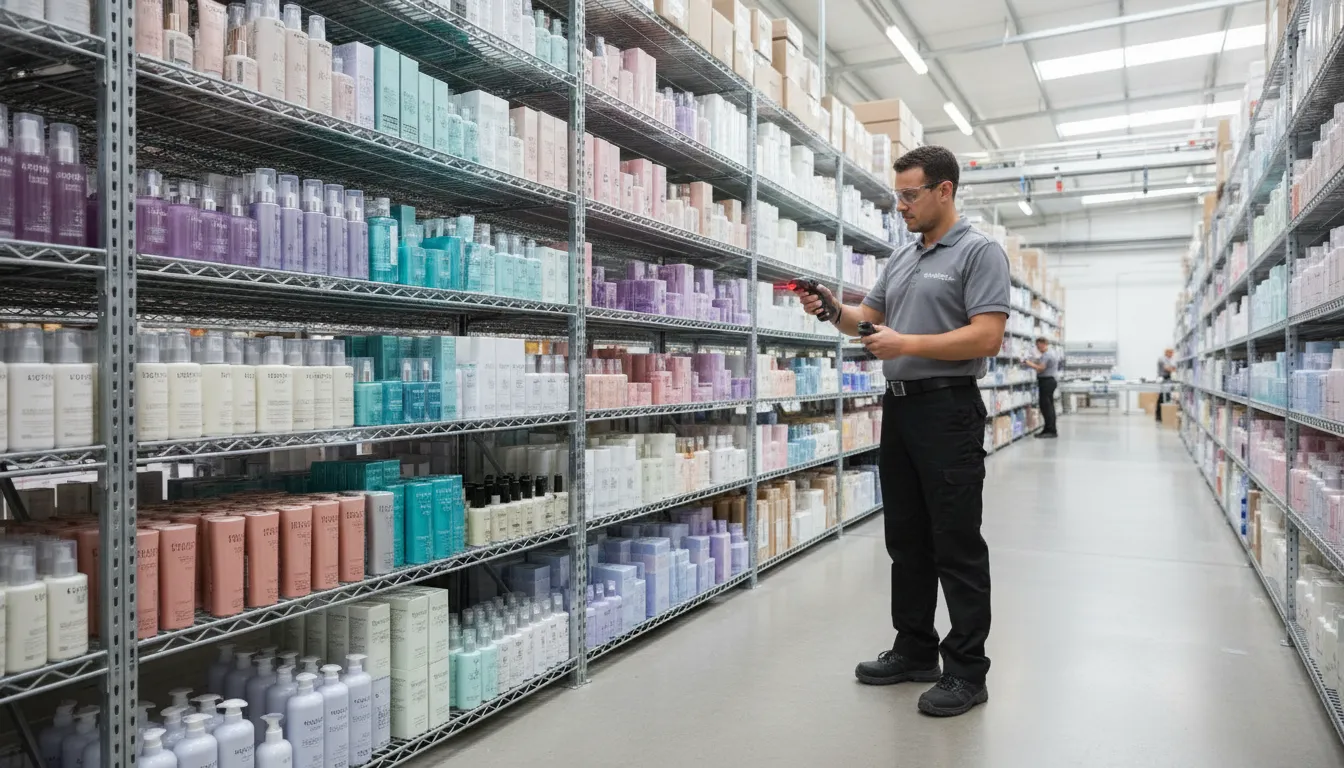

When a beauty product issue reaches the warehouse, the difficult question is rarely whether a shipment arrived. It is which units came from the affected lot, where they went, and what records support the next decision. That answer depends on disciplined receiving, inventory, and distribution records rather than a last-minute spreadsheet search.
Lot tracking for beauty products connects a product's lot or batch information with its movement through receiving, storage, fulfillment, and customer orders. For distributors, that structure can improve expiration awareness, narrow a potential recall, and give warehouse teams a clearer operating record. Specific compliance duties vary by product and jurisdiction, so verify requirements with the relevant authority or qualified counsel.
For distributors managing salon orders, one-time purchases, multiple product lines, or more than one warehouse, traceability must fit the daily workflow. The first step is understanding what a lot record contains and why it matters, before evaluating how an ERP such as BeautyServ ERP for beauty supply distributors could fit into the broader process.
Schedule a Demonstration of BeautyServ ERP
What Is Lot Tracking for Beauty Products, and Why Do Distributors Need It?
QBC Systems helps distribution businesses think through the operational requirements behind inventory control, including the distinction between a product's lot identity and its broader batch history. For beauty wholesalers, that distinction matters when the same SKU moves through several receipts, warehouses, customer orders, and product lines.
Lot and batch records are related, but not identical
A lot is a defined quantity of a product that shares an identifying code, often assigned during manufacturing or packaging. A batch record describes the production run or group from which that lot came. In practice, a distributor may need to preserve both the code printed on the product and the related receiving, storage, and shipment history. The exact fields depend on the product, supplier, and operating process.
The goal is not to create paperwork for its own sake. It is to connect a physical unit in the warehouse with the records needed to determine where it came from and where it went. The FDA says sufficient coding, such as lot or batch numbers, can support positive identification of affected lots during a recall. It also notes that cosmetic lot numbering is not required by law, while explaining that lot numbers can help determine whether some or all lots need to be recalled. FDA recall policy for cosmetics
Why traceability matters in beauty distribution
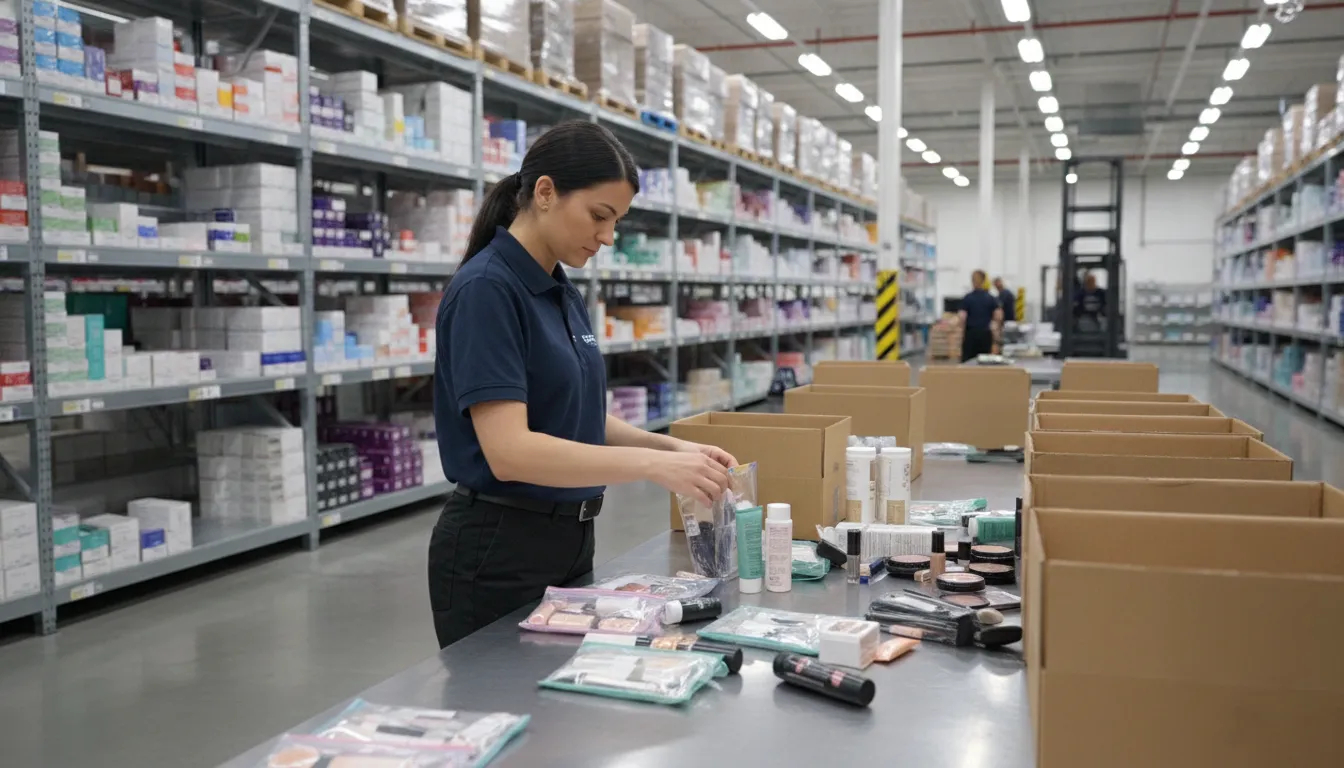
Beauty supply distributors may serve salons and stylists, beauty retailers, and warehouse teams. Their work can include recurring salon orders, one-time purchases, multiple product lines, and more than one warehouse. Some operations manage thousands of SKUs, although the actual range varies by business. That combination makes it difficult to answer a basic question from memory: which customers received products from a particular lot?
Lot tracking for beauty products provides a framework for answering that question. It can support a focused review instead of treating every unit of a SKU as identical. Distributors evaluating broader inventory processes can also review this beauty supply wholesale software guide for related workflow considerations.
What a usable lot record should contain
A practical record should contain enough information for staff to identify the product, locate the inventory, and follow its movement through normal distribution records. Core fields may include:
- SKU, product description, and manufacturer or supplier.
- Lot or batch number printed on the product.
- Receipt date, quantity received, and warehouse location.
- Relevant expiration or best-use information, when supplied.
- Customer shipment, order reference, and quantity issued.
These fields do not replace product-specific or jurisdiction-specific requirements. They give operators a consistent starting point for traceability and a clearer basis for discussing requirements with their software and implementation partners.
Managing Expiration Dates and Product Age Across the Warehouse
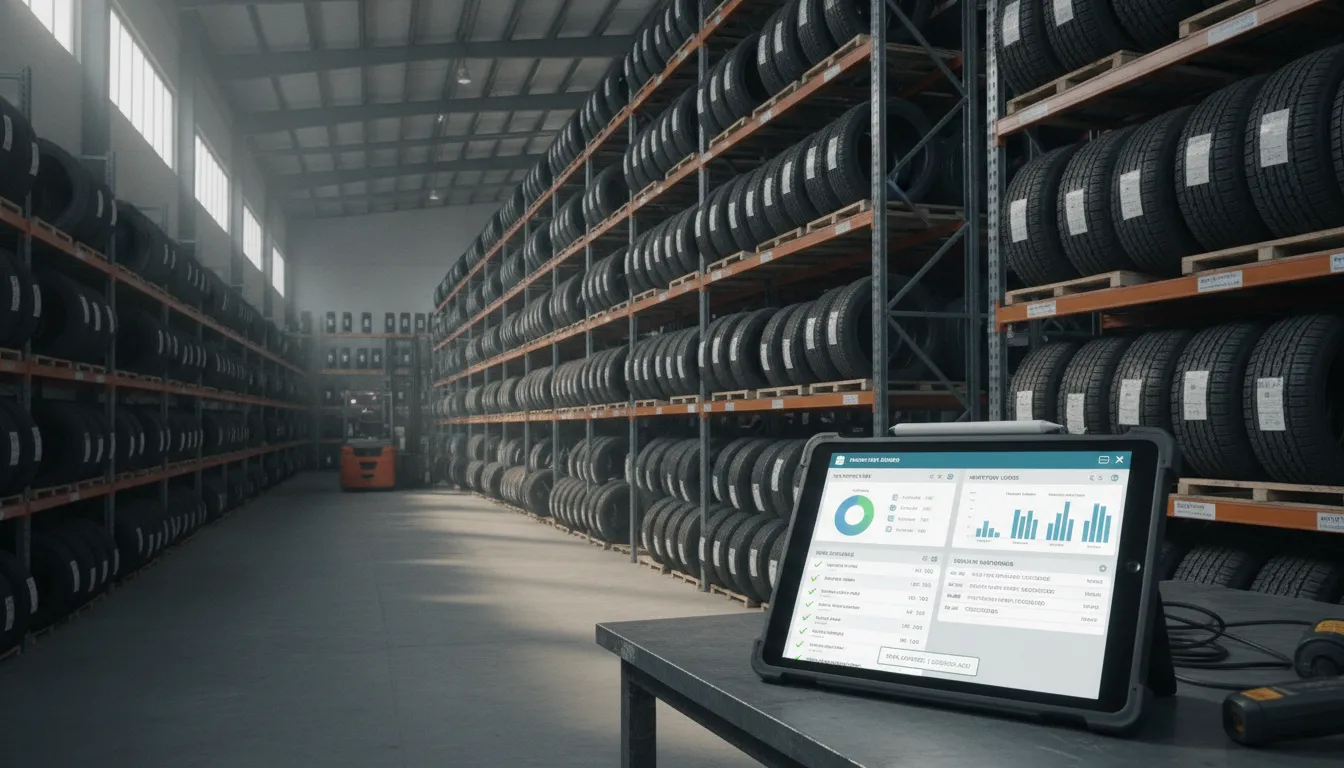
QBC Systems approaches warehouse complexity from the distributor's point of view: product age must be visible enough for consistent receiving, storage, and fulfillment decisions. This matters for beauty operations that may carry thousands of SKUs across one or more warehouses, with recurring salon orders alongside one-time purchases.
Start with receiving and dating
At receiving, record the product, lot or batch identifier when available, quantity, supplier documentation, receipt date, and any manufacturer-provided expiration or use-by information. Keep those details connected to the inventory record rather than leaving them only on a carton, spreadsheet, or receiving note. If a product has no stated expiration date, do not invent one. Instead, record the available product information and define how your team will review its age.
For distributors evaluating broader multi-warehouse cosmetics software, the important question is whether the process can keep product age visible across locations, transfers, and replenishment decisions.

Review storage conditions and product age
Storage review should be a recurring operational check, not an activity reserved for a customer complaint. Compare the inventory record with what is physically present, identify products approaching an internal review threshold, and investigate discrepancies between lots at different locations. The threshold itself should reflect the product information, customer expectations, and the distributor's documented process. Requirements can vary by product and jurisdiction, so confirm any legal or regulatory duties with qualified counsel or the relevant authority.
Use FEFO as a deliberate fulfillment method
FEFO means first expired, first out. It is an inventory method that prioritizes the lot with the earliest applicable expiration or use-by date, rather than automatically picking the oldest receipt date. FEFO is not a substitute for product judgment or regulatory advice, but it gives warehouse staff a clear starting point when lots differ in age.
- Review incoming lot, date, quantity, and location details during receiving.
- Assign or confirm the storage location and make age information available to the responsible team.
- Check aging inventory on a defined schedule, including stock held at other warehouses.
- Apply FEFO when the product data supports it, while investigating missing or conflicting dates before allocation.
- Document the decision for stock that is too old, has unclear status, or needs review before shipment.
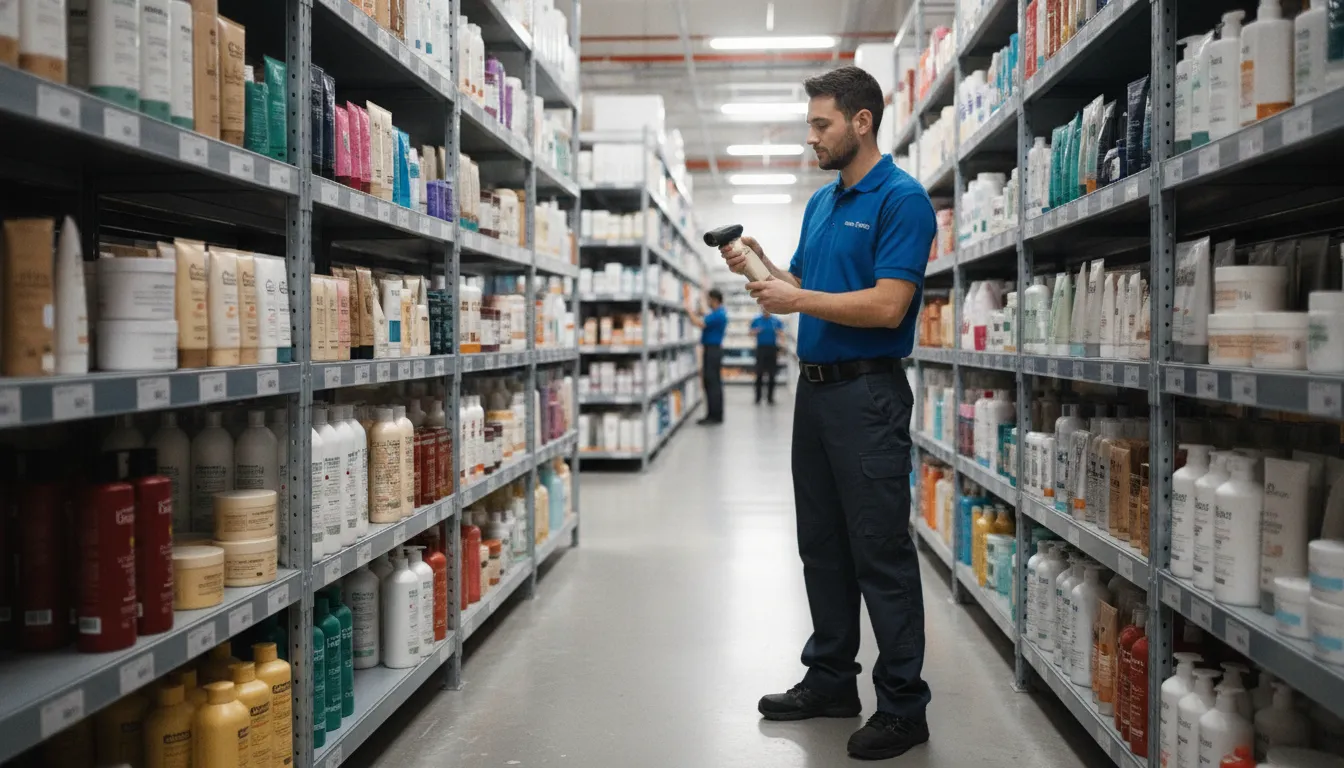
For item identification at the warehouse, review the role of beauty product barcode tracking alongside lot-level controls. A barcode can help identify an item, but the operating process still needs to distinguish product, lot, date, quantity, and location.
FDA guidance also recommends retaining distribution records beyond a product's shelf life and expected use, although the applicable obligations depend on the product and circumstances. Treat that guidance as one input to your records policy, not as a universal rule for every beauty product.
How Lot Tracking Supports Compliance and Recall Management
QBC Systems views lot tracking as an operational discipline that can help beauty distributors identify affected inventory, locate customers, and document response steps. It is not a substitute for regulatory advice, and this section is operational guidance rather than legal advice. Requirements vary by product, business role, and jurisdiction, so confirm applicable obligations with qualified counsel or the relevant authority.
Define the scope of a potential recall
A lot record connects a product to a specific production or batch identifier. When a concern involves one lot, that identifier can help an operator distinguish affected units from other inventory instead of treating every unit of the product as equally affected. The FDA states that sufficient coding, such as production lot or batch numbers, helps make positive lot identification possible and supports an effective recall. The agency also notes that cosmetic lot numbering is not required by law in every case, but it can help determine whether some or all lots need to be recalled. See the FDA recall policy for cosmetics for the applicable federal guidance.
For a distributor, the practical question is whether the record can show what was received, where it was stored, and whether units remain available for sale. That supports a controlled review of on-hand stock, customer shipments, returns, and any inventory placed on hold while the issue is evaluated.
Connect lots to distribution records
Lot information becomes more useful when it is connected to transaction records. A distributor may need to identify which salon, stylist, school, retailer, or other customer received an affected unit, along with the relevant order, shipment, and date. The FDA recommends maintaining adequate distribution records to facilitate locating products being recalled. In practice, useful fields may include:
- Product and lot or batch identifier.
- Receipt date, warehouse location, and quantity received.
- Order, shipment, customer, and quantity issued.
- Return, quarantine, adjustment, and disposition notes.
These records can narrow outreach and help the team explain what was checked. They should also be retained according to the requirements that apply to the business and product. FDA recall policy addresses retaining distribution records beyond shelf life and expected use, but the correct retention approach should be confirmed for the specific operation.
Document response without overstating software capability
A recall response is a business process, not simply a database search. Teams may need to record who reviewed the affected inventory, which customers were contacted, what units were returned or corrected, and when follow-up checks occurred. FDA materials describe recall progress reports and effectiveness checks as part of recall administration, but responsibility depends on the circumstances and the parties involved.
QBC's knowledge base identifies lot tracking as a BeautyServ capability for beauty supply distributors. That documented capability should be distinguished from functions not confirmed in the available materials, such as automated recall management, automated compliance controls, or regulator notifications. Treat those functions as evaluation questions during an ERP discussion. QBC can help distributors assess workflows through consultation-led implementation, training, and support, while regulatory decisions remain with the responsible business and its advisers.
How Beauty Supply ERP Handles Lot Numbers at Receiving and Fulfillment
QBC Systems recommends treating lot-level traceability as an operating workflow to define and verify, not as an assumed feature of every beauty supply ERP. For distributors serving salons, stylists, retailers, and warehouse teams, a practical process should connect what arrived, the storage location, the lot picked, and the customer that received it. The workflow below is a useful evaluation model for BeautyServ ERP for beauty supply distributors, while any recall-related functions beyond documented lot tracking should be confirmed during implementation planning.
Receiving: establish the lot record
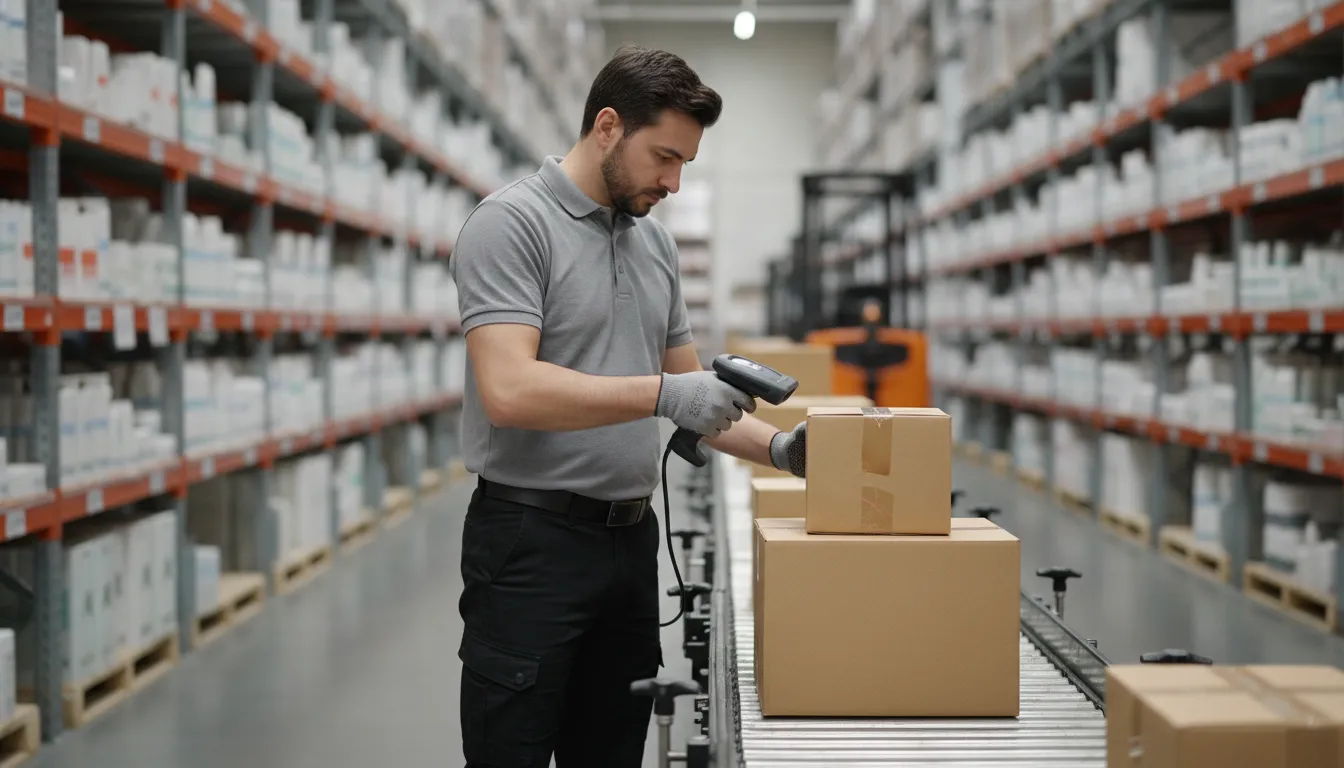
At receiving, the warehouse team should capture the supplier, purchase order, product or SKU, quantity, lot or batch identifier, and any available expiration or best-use information. If products arrive across multiple warehouses, the receiving record should also identify the facility and storage location. This creates a traceable starting point instead of relying on a handwritten note or a spreadsheet updated later.
A recommended receiving sequence is:
- Match the shipment to the purchase order and product master record.
- Record the lot or batch number exactly as it appears on the packaging.
- Record dates, quantities, warehouse, and storage location when those details apply.
- Flag discrepancies for review before the inventory is available for normal fulfillment.
Allocation and picking: keep the lot attached
When a customer order is allocated, the system or documented process should preserve the connection between the order line, the selected lot, and the picked quantity. A distributor may need different handling for recurring salon orders, one-time purchases, kits, or products stored at separate facilities. The exact rule, such as first-expiring-first-out, should be agreed with the operator and supported by the available inventory controls rather than assumed.
For related warehouse planning, review QBC's guidance on hair product distribution workflows. The operational principle is the same: make the handoff from inventory to fulfillment clear enough that staff can investigate an order without reconstructing events from multiple disconnected records.
Shipment-to-customer traceability
Before shipment, retain the lot selected, quantity shipped, customer account, order, and shipment date in a retrievable record. That history can support targeted investigation if a supplier raises a concern. FDA guidance recommends adequate distribution records to help locate recalled products, but regulatory duties vary by product, role, and jurisdiction. This section is operational guidance, not legal advice.
QBC's documented BeautyServ information includes lot tracking along with areas such as customer and product-line pricing, rebates, kit management, item lookup, and master-account support. Ask QBC to map the recommended workflow to the required configuration, integrations, implementation, training, and support, and to distinguish documented lot tracking from any additional recall-management automation before treating those functions as included.
What Lot Tracking Software Must Do for Professional Beauty Distributors
QBC Systems recommends evaluating lot tracking as an operational workflow, not as a checkbox on a software feature list. Beauty distributors may manage recurring salon orders, one-time purchases, multiple product lines, and more than one warehouse. The right questions should connect inventory records to receiving, storage, fulfillment, and customer communication. QBC's knowledge base identifies lot tracking as a BeautyServ capability for professional beauty distributors. Available materials do not confirm automated expiration alerts, recall management, or compliance automation, so those functions should be verified during a product review.
Start with the lot record
Each lot record should be easy for warehouse staff to find and specific enough to support a review later. Ask whether the system can connect the lot to the item, supplier, receipt, quantity, warehouse location, received date, expiration or best-use information when applicable, and current availability. It should also show what happened to the lot after receiving, including transfers, allocations, shipments, returns, or holds. If a distributor carries thousands of SKUs, searching by a product code alone is unlikely to be enough.
Test the workflow from warehouse to customer
Demonstrate the process with a realistic salon order and a one-time purchase. Can a picker identify the correct lot without relying on a spreadsheet? Can managers review older or approaching-expiration stock before allocation? Can the system connect a shipment to the customer and quantities received? Also ask how the workflow handles multiple warehouses, partial shipments, returns, damaged goods, and product kits. Related beauty supply kit management requirements may need separate testing because kit assembly does not automatically establish lot-level traceability.
Review records, documents, and boundaries
Some distributors need documentation linked to a lot, product, supplier, customer, or document version. Key evaluation takeaway: Confirm that records can be retained, searched, exported, and reviewed by authorized staff. Confirm that the system connects to the existing warehouse process instead of forcing an unrealistic replacement. Confirm which capabilities are native, configured, integrated, or handled outside the ERP. QBC documents BeautyServ features such as pricing, rebates, kit management, item lookup, and master-account support, and current QBC product context identifies lot tracking as a BeautyServ capability. Verify any additional automation during implementation. Review BeautyServ product details and ask QBC to map your requirements during a consultation.
| Capability to evaluate | Operational question |
|---|---|
| Lot-level inventory | Can staff see quantities and locations by lot, item, and warehouse? |
| Expiration review | Can managers identify relevant product-age information before allocation or shipment? |
| Traceable fulfillment | Can a shipment be connected to the lot and customer it served? |
| Document history | Can staff retain and retrieve the applicable record or document version? |
| Implementation support | Who will configure, train, and verify the workflow against actual operations? |
Schedule a Demonstration of BeautyServ ERP for Beauty Distributors
Frequently Asked Questions
Is a lot number the same as a batch number?
They can serve a similar traceability purpose, but the terminology depends on the manufacturer and product record. Treat the identifier printed on the product or shipping documentation as the reference point. Then connect it to the item, quantity, receiving date, warehouse location, and customer shipment history.
How often should beauty distributors review expiration dates?
Review timing should match the products you handle, their stated shelf life, storage conditions, and your sales cycle. At receiving, capture the available date or age information. During storage, review aging inventory on a defined schedule. Before fulfillment, use the oldest suitable stock first when product requirements and condition allow. Keep records long enough to support your operational and applicable regulatory obligations.
What information is needed to trace a beauty product recall?
You need a reliable connection between the affected lot or batch, the inventory received, its current warehouse status, and the customers or orders that received it. FDA guidance recommends sufficient coding to identify affected lots and adequate distribution records to help locate recalled products: FDA cosmetics recall policy.
Can an ERP system automatically manage lot tracking and recalls?
Do not assume that an ERP includes these functions because it manages inventory or multiple warehouses. During evaluation, ask whether the specific system records lot-level quantities, expiration information, warehouse movements, shipment history, holds, and recall reports, and request a workflow demonstration. QBC's published BeautyServ materials do not confirm lot-level tracking or recall management, so those capabilities require direct verification.
Does lot tracking make a distributor compliant?
No. Lot tracking is an operational control, not a blanket compliance determination. Duties vary by product, business role, labeling, activities such as repacking or importing, and jurisdiction. Use the applicable authority's guidance and qualified regulatory counsel to confirm requirements for your operation. This article provides general operational information, not legal advice.
Schedule a BeautyServ ERP Demonstration
Contact QBC Systems to Schedule a BeautyServ ERP Demonstration.