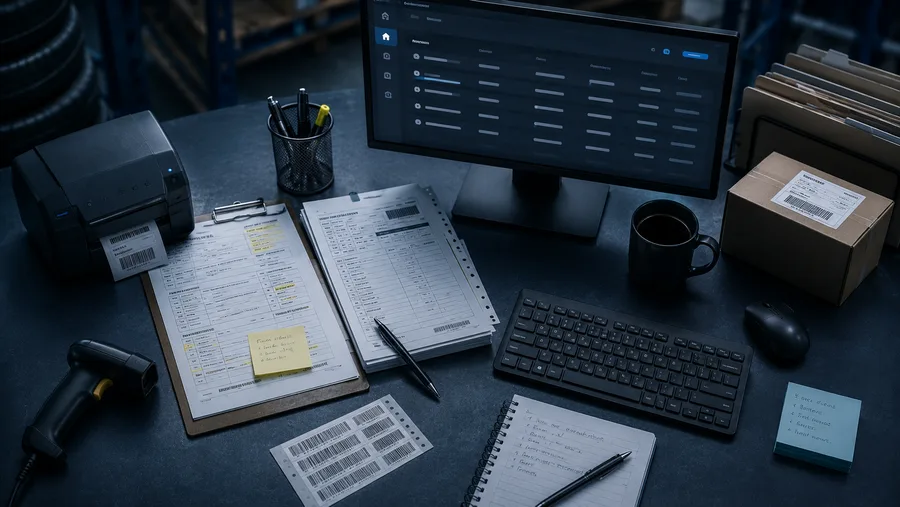

Wholesale distributors often lose time when an online order has to be retyped, checked against a separate inventory file, and passed manually to the warehouse. A well-planned b2b ecommerce erp integration keeps the storefront connected to the operation. The problem is not simply having an eCommerce storefront. It is keeping customer accounts, product data, pricing, inventory, orders, invoices, and shipment details aligned with the system that runs the operation.
For distributors, the right approach starts with understanding what the integration should connect and which operational decisions it should support. QBC Systems has served distributors since 1978, with a practical focus on inventory, order processing, and day-to-day distribution work. The first step is defining what integration means in a wholesale environment.
What Is B2B Ecommerce ERP Integration?
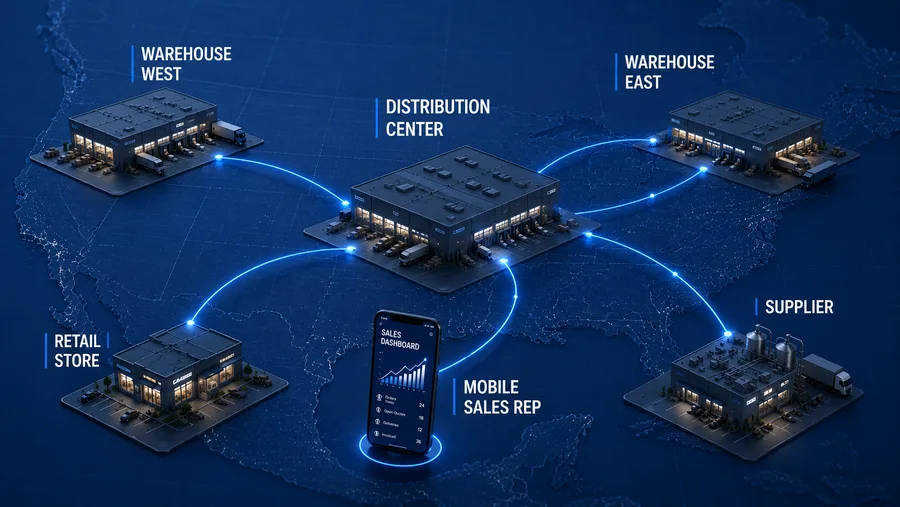
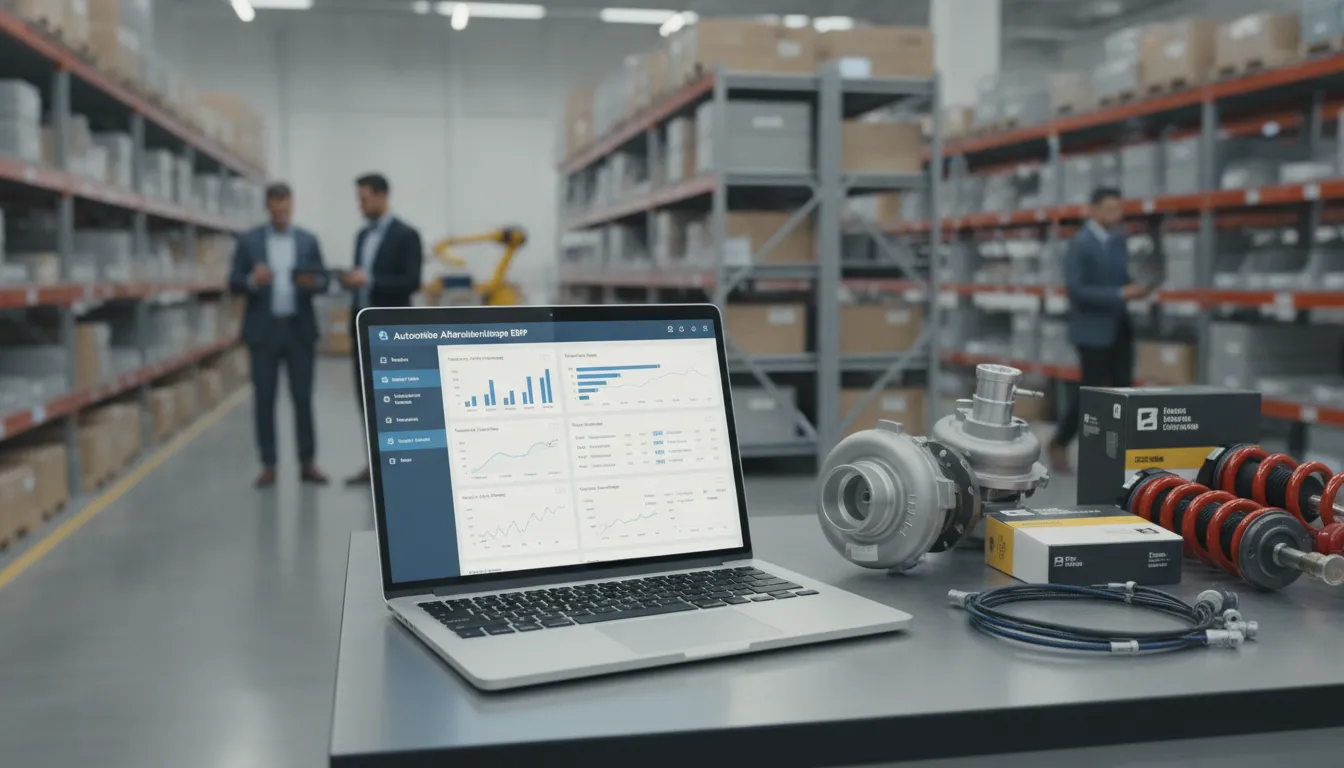
QBC Systems defines b2b ecommerce erp integration as the connection between a distributor's online sales platform and the back-office ERP that runs daily operations. The integration exchanges product details, available inventory, customer accounts, contract pricing, orders, invoices, and shipment status between both systems without rekeying.
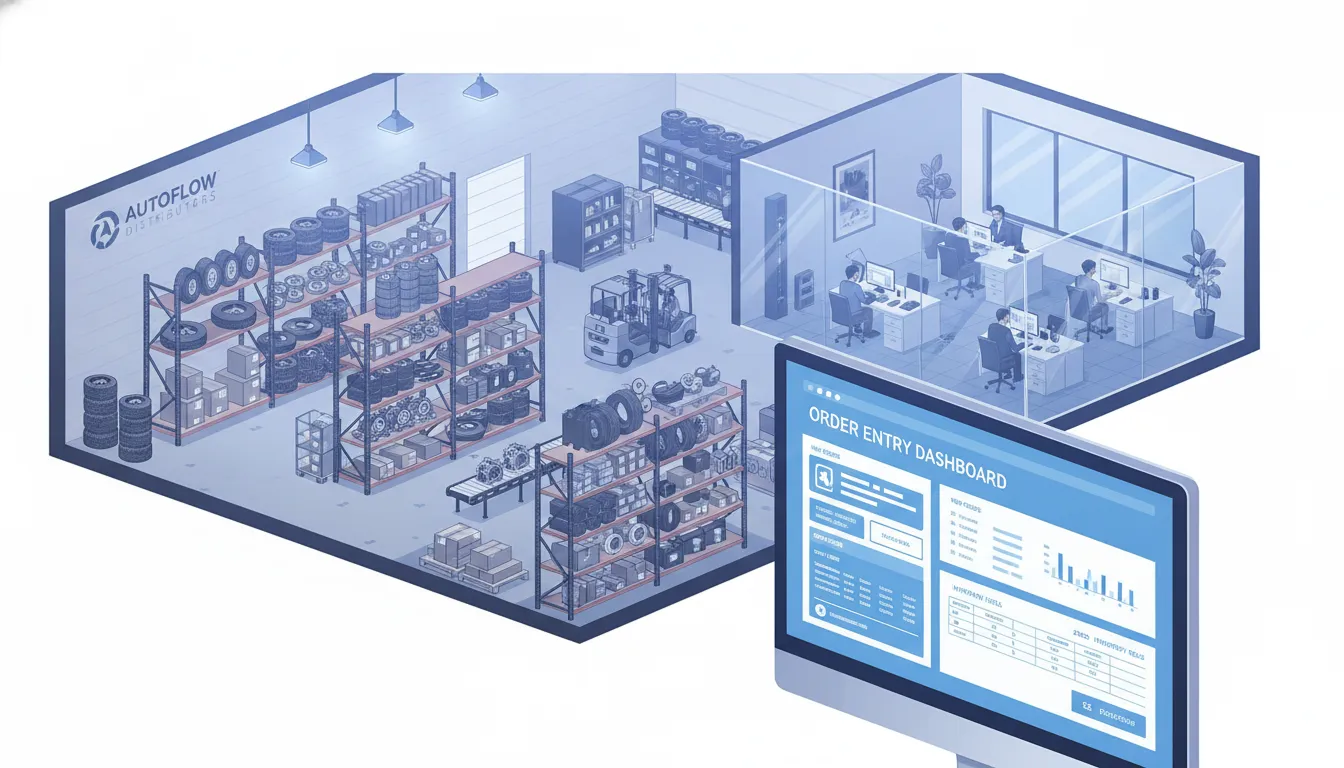
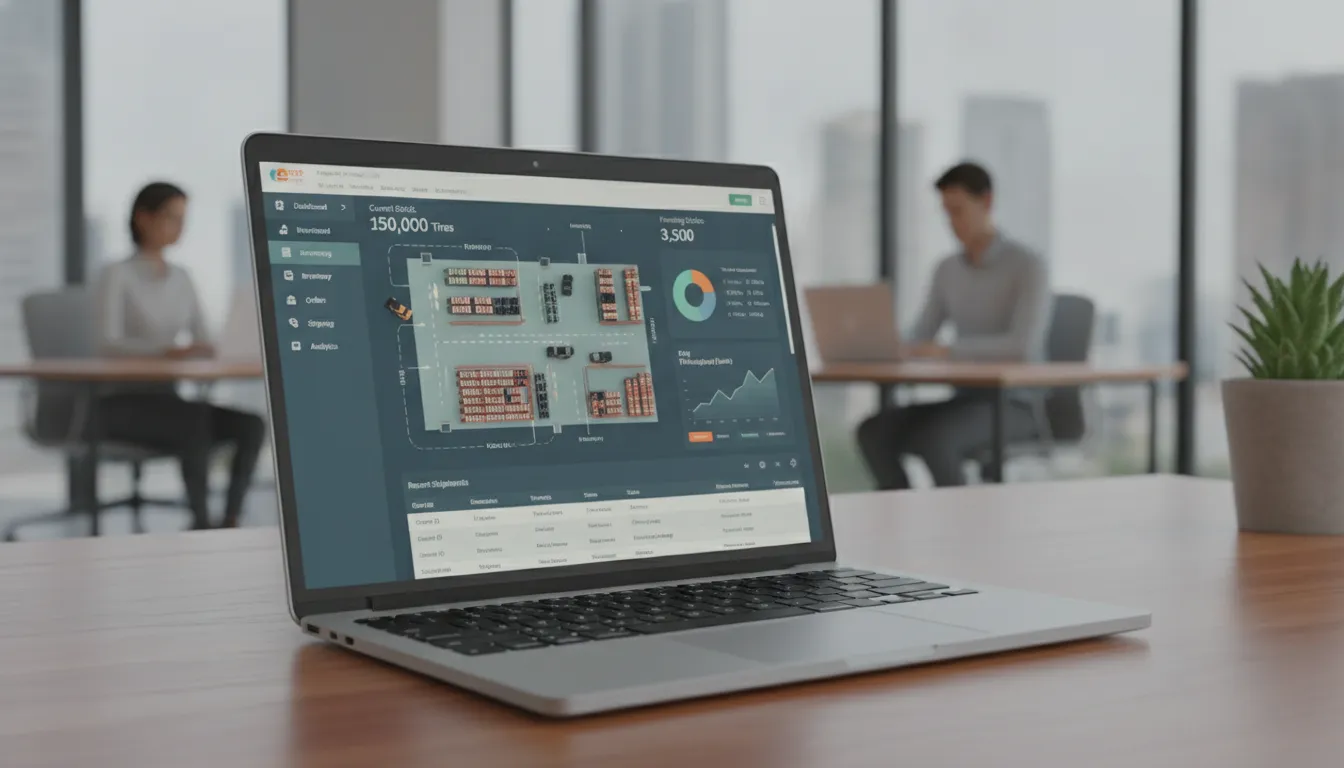
For a wholesale distributor, that connection is more than a technical feature. It creates one operating process from the customer's online order through picking, packing, invoicing, and delivery. A buyer may see customer-specific pricing online, place an order against current availability, and receive an order status that reflects what is happening in the warehouse. Meanwhile, the operations team can work from the ERP rather than checking multiple disconnected systems for the same information.
The exact connection depends on the eCommerce platform and the ERP, but a useful integration usually keeps these records aligned:
- Product catalog data: item numbers, descriptions, units of measure, categories, and product status.
- Inventory availability: on-hand quantities and, where supported, availability by warehouse or location.
- Customer and pricing data: account details, payment terms, assigned price levels, and customer-specific pricing.
- Transaction data: online orders, invoices, shipment updates, returns, and order history.
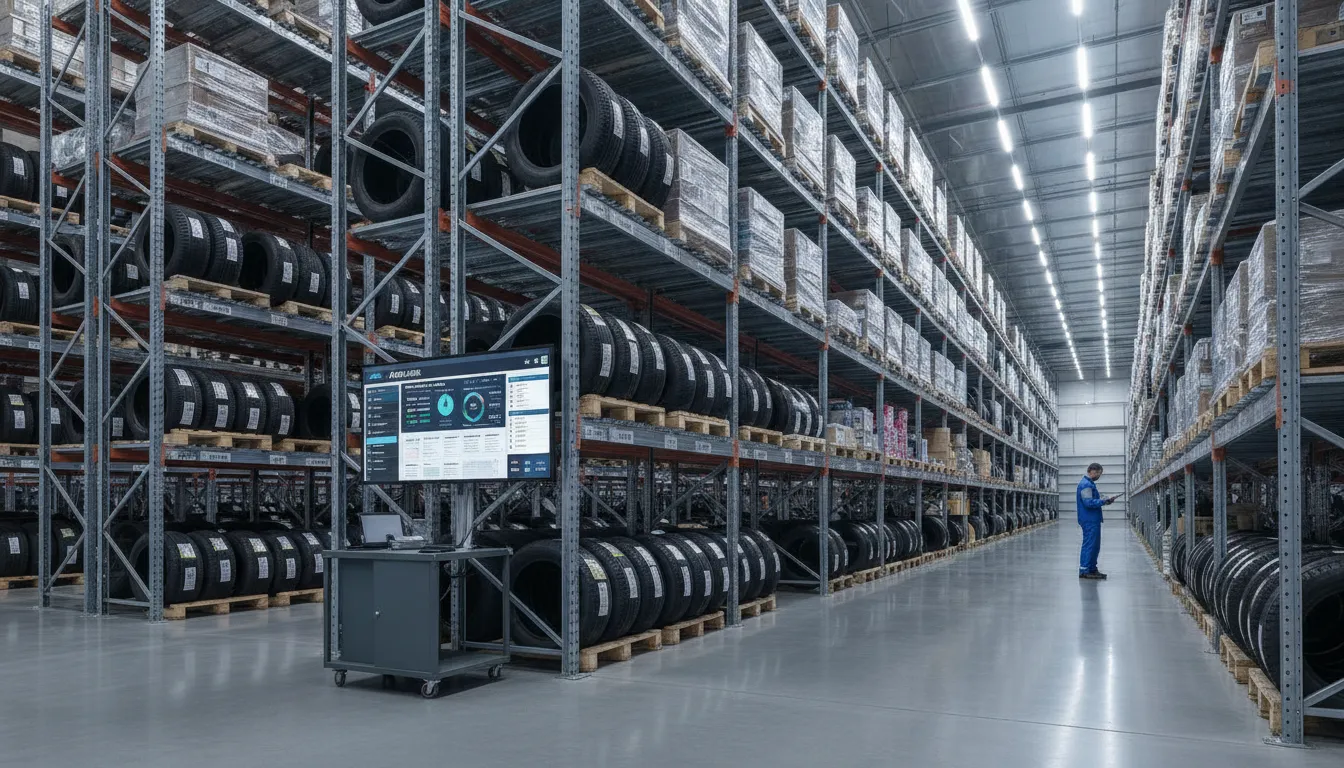
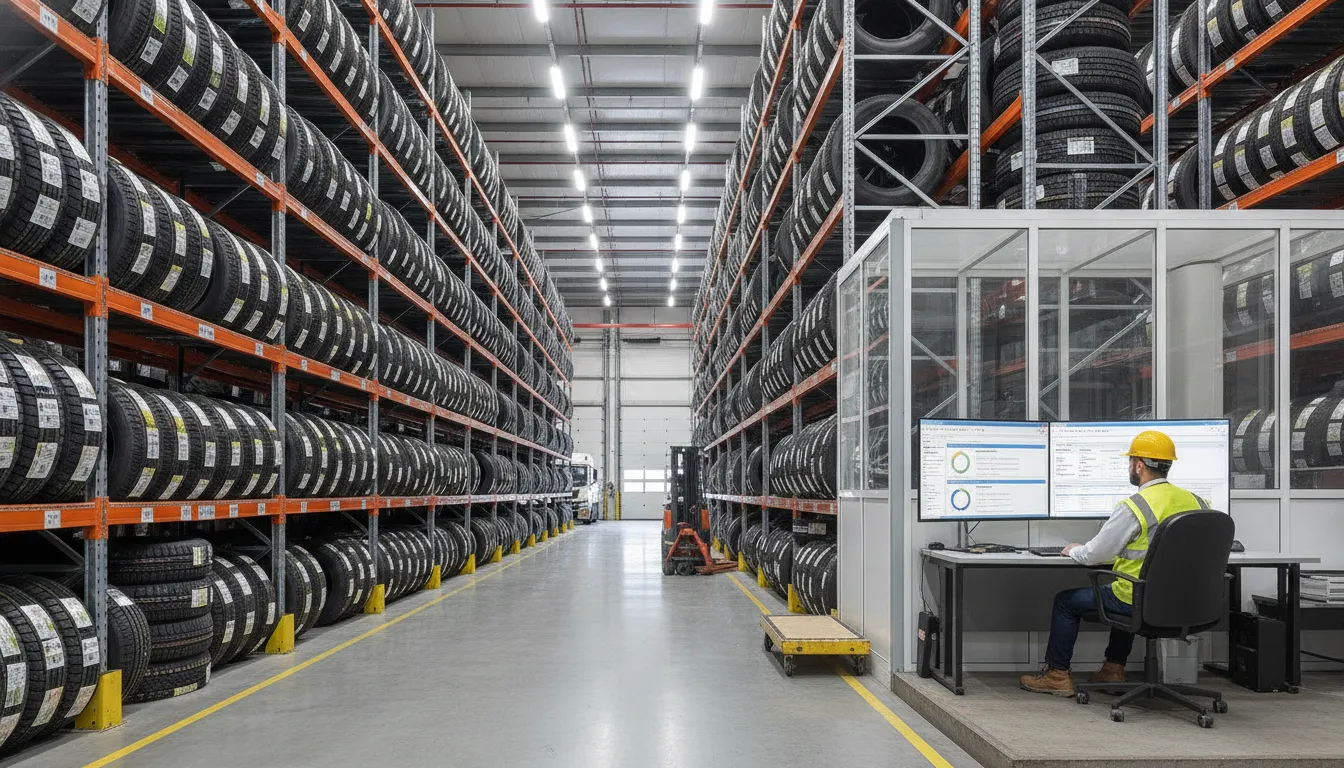
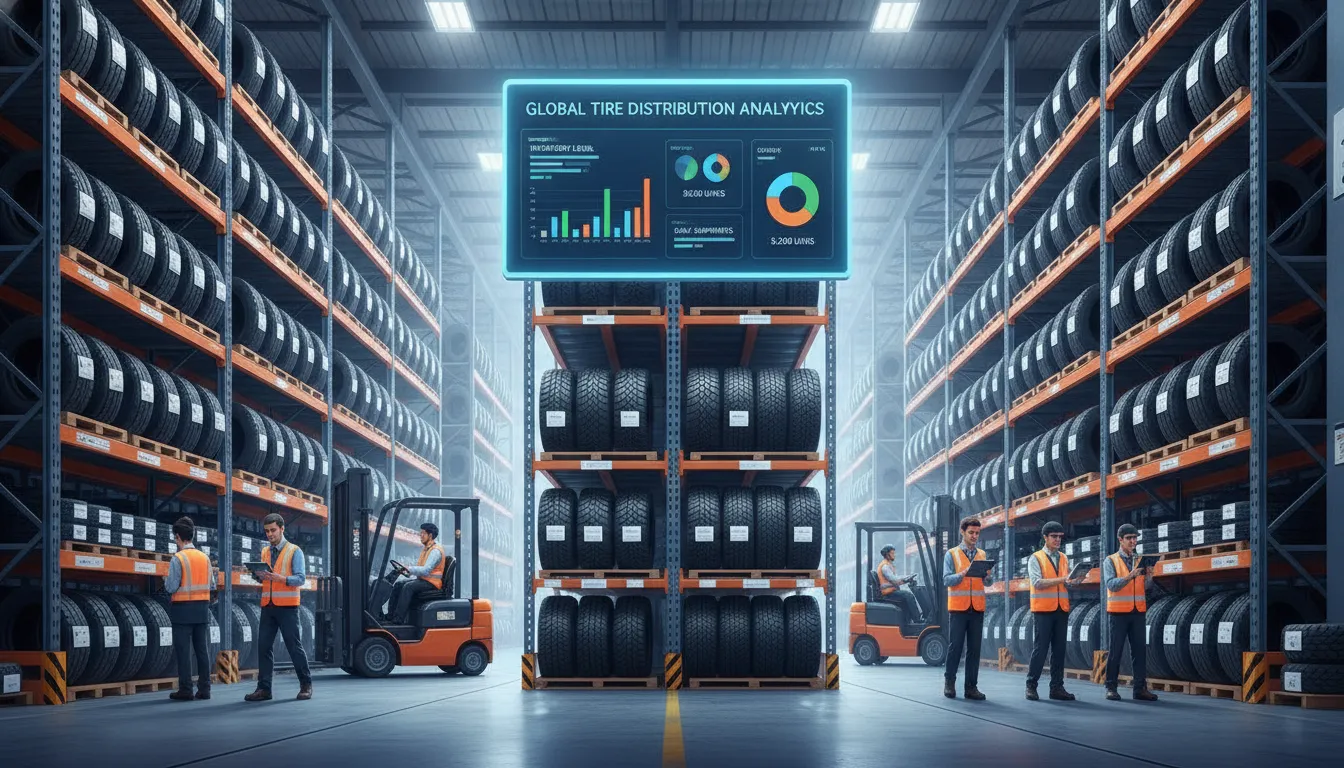
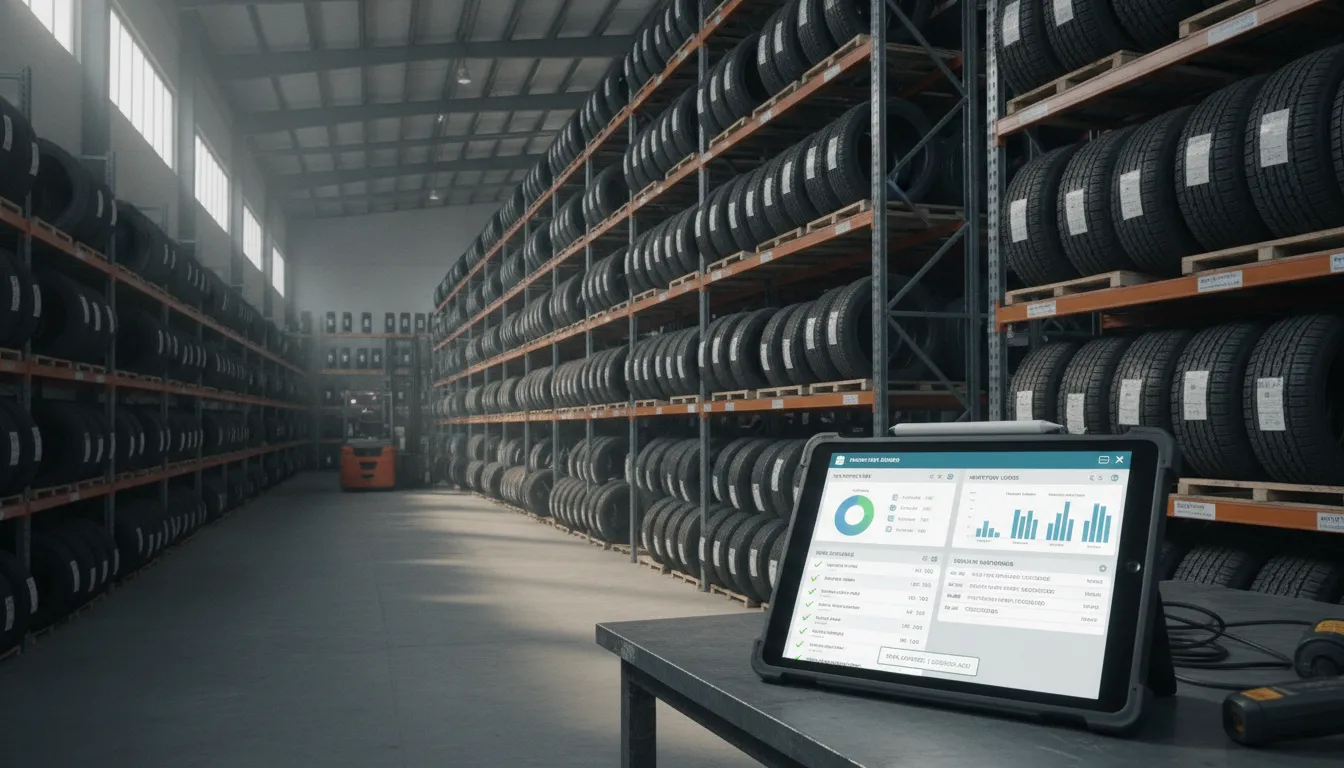
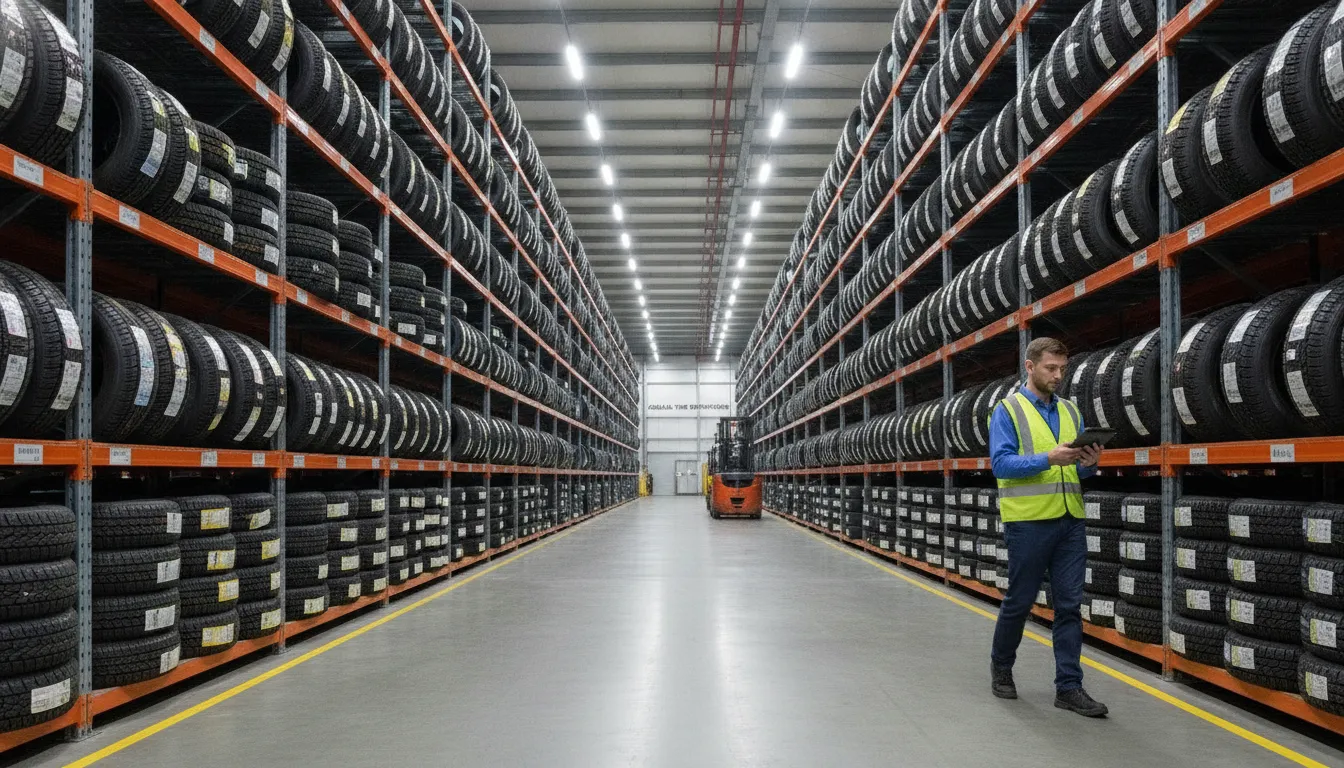
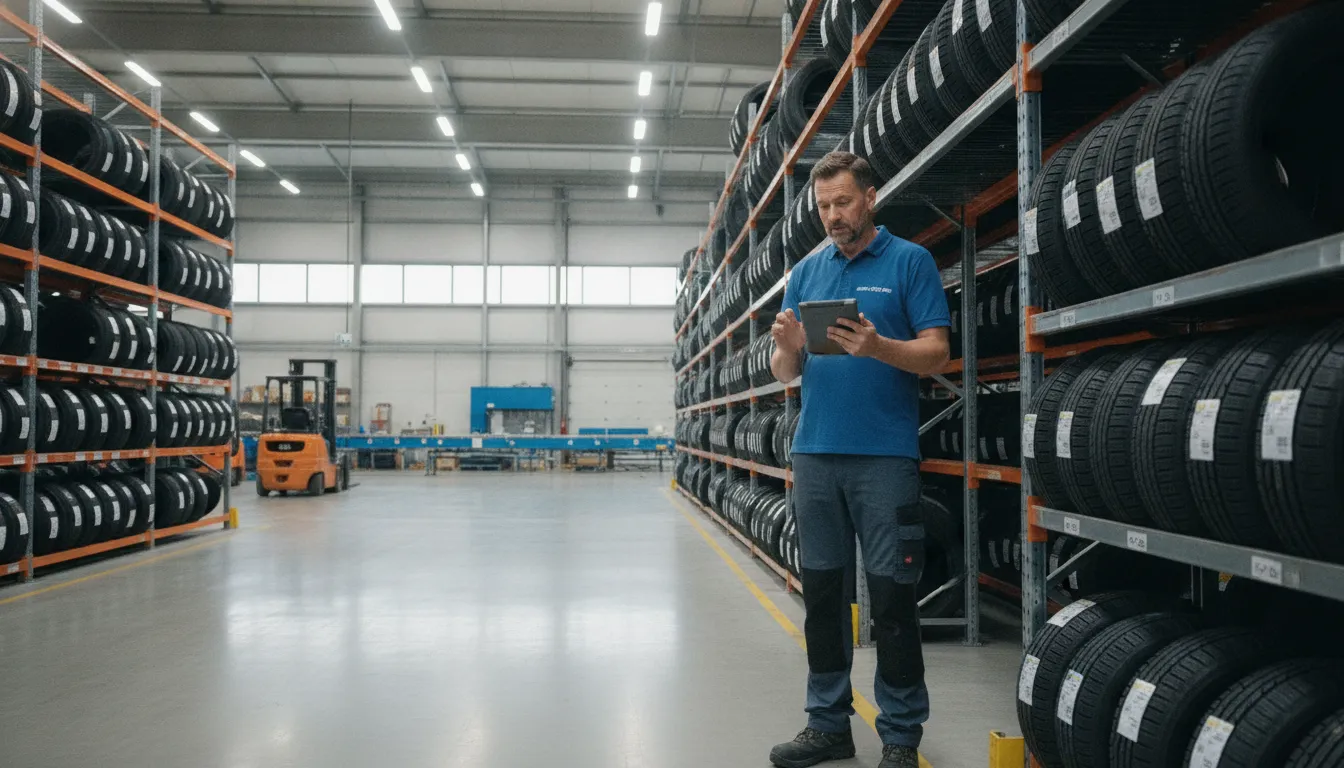
Synchronization may happen in real time or on a defined schedule, depending on the business process and system capabilities. The important point is that the timing should match the distributor's operating needs. A warehouse selling fast-moving tire inventory, for example, needs inventory visibility that helps prevent an item from being promised online after it has already been allocated elsewhere. A beauty supply wholesaler may place more emphasis on customer-specific catalogs, case quantities, and account terms. The beauty supply wholesale software guide offers a related view of those requirements.
Integration also gives managers a clearer view of where an order stands. Without it, an online order may need to be downloaded, printed, entered into the ERP, and updated manually as it moves through fulfillment. That creates opportunities for duplicate work, outdated information, and avoidable errors. With a connected workflow, the online channel and the back office are working from the same operational data.
Distributors evaluating this approach should first understand what an ERP system does across inventory, customer, and order operations. The right integration should support the processes already used by the warehouse and sales team, not add another system that employees must maintain separately.
Why Wholesale Distributors Need B2B Ecommerce ERP Integration
QBC Systems understands that wholesale distribution depends on accurate information moving between sales channels, warehouses, and back-office teams. A distributor may manage thousands of items across multiple locations with negotiated accounts and repeat orders. When the eCommerce site and ERP operate separately, staff rekey orders, check inventory in different systems, and confirm pricing manually.
That problem becomes more significant as B2B buyers expect online ordering to be as dependable as a call or email. The practical priority is a connection that keeps order, inventory, and pricing data dependable enough for daily use. Start with the workflow your staff and customers need, then define the data that must move between systems.

Order accuracy depends on connected systems
Wholesale orders frequently include customer-specific pricing, product substitutions, unit-of-measure details, delivery requirements, and account terms. If an order is copied from an online storefront into the ERP, a typo or outdated price can create rework for customer service, purchasing, accounting, and the warehouse. Integration automates the exchange of order and customer data, reducing the manual entry associated with separate systems. That does not remove the need for sound item and customer records, but it gives employees a more reliable process to follow.
- Customer-specific price lists can be applied to the right account.
- Order details can move into the ERP without being retyped.
- Invoices, shipment information, and order status can stay aligned across systems.
- Warehouse staff can work from current order information instead of emailed copies.
Inventory visibility supports faster decisions
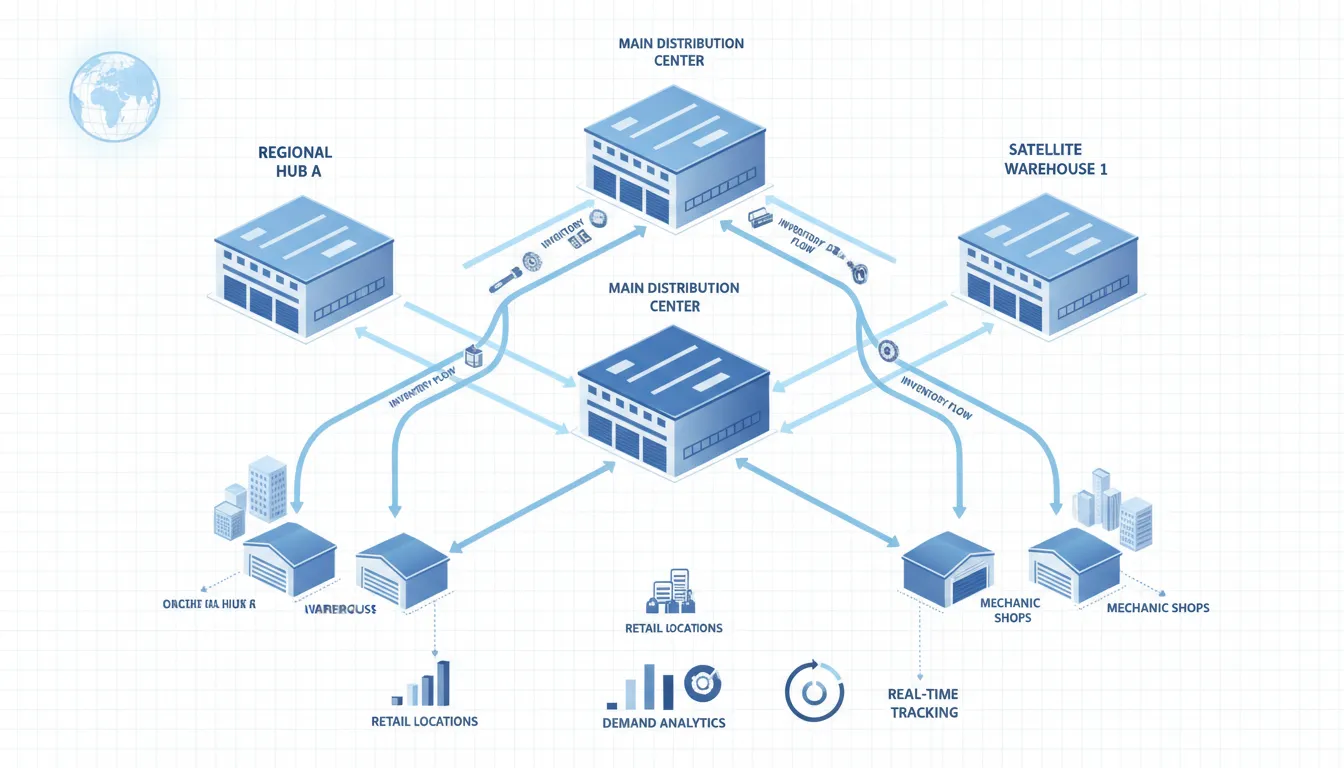
For distributors, showing an item as available when it is committed, misplaced, or stocked at another warehouse can lead to backorders and avoidable calls. A connected system can give the eCommerce channel access to current inventory information across locations, subject to the quality and timing of the underlying data. It also helps sales and warehouse teams respond more quickly when customers ask about availability or alternate fulfillment options.
Replacing duplicate manual entry can give staff more time to handle exceptions, coordinate shipments, and serve customers. The exact result depends on the ERP, catalog quality, workflow design, and implementation. For wholesale companies evaluating this approach, wholesale tire eCommerce integration options can provide a useful starting point for comparing operational needs.
Key Benefits of B2B Ecommerce ERP Integration
QBC Systems helps distributors connect online ordering with the operational data their teams use to buy, stock, pick, ship, and report on products. When the eCommerce platform and ERP exchange information automatically, employees spend less time rekeying orders and checking separate systems. They can work from a clearer view of inventory, customer terms, and order status.
The practical benefits are especially important for wholesale distributors managing large catalogs, varied units of measure, customer-specific pricing, and time-sensitive fulfillment. Integrated data can support:
- Real-time inventory visibility: Available quantities, backorders, and product details can stay aligned between the online storefront and the ERP.
- Automated order processing: Orders can move into the back-office workflow without a team member copying each line from one system to another.
- Fewer data-entry errors: Automating data exchange reduces the human errors that can occur during manual order entry.
- Consistent customer pricing: The customer can see the pricing rules and account details that apply to their business rather than relying on a separate spreadsheet or a manual adjustment.
- Faster fulfillment: More accurate order data gives warehouse staff a cleaner starting point for picking, packing, and shipping.
- Cleaner reporting: Sales, inventory, customer, invoice, and shipment information can be evaluated from connected records instead of stitched together from disconnected exports.
| Operational area | Manual or disconnected flow | Integrated eCommerce-to-ERP flow |
|---|---|---|
| Order entry | Staff retype online orders into the ERP, creating extra work and opportunities for mistakes. | Order details transfer automatically into the ERP workflow for review and processing. |
| Inventory visibility | Available quantities may require phone calls, spreadsheets, or separate system checks. | Inventory levels and product data synchronize between the storefront and back office. |
| Pricing | Customer-specific terms may depend on manual lookups or adjustments. | Account pricing and customer details follow the connected order process. |
| Fulfillment | Warehouse teams wait for corrected or re-entered information before picking an order. | Accurate order data reaches the fulfillment workflow sooner. |
| Reporting | Teams combine exports from multiple systems before reviewing performance. | Connected sales, inventory, invoice, and shipment records support more consistent reporting. |
The goal is not to automate every decision. Distributors still need people to manage exceptions, confirm unusual orders, and maintain accurate product and customer records. The value of integration is that routine information moves reliably, while staff can focus on the orders and inventory issues that actually need judgment. A well-run connected workflow lets dependable data and focused staff time work together. Managers can then improve the online ordering experience without forcing the warehouse or accounting team to maintain a second, disconnected process. Distributors that want a wider view can also review this wholesale distribution ERP solutions guide, which covers the full inventory and order-management picture.
Common B2B Ecommerce ERP Integration Challenges
QBC Systems sees the same pattern across distribution operations: the connection between an online storefront and an ERP can look straightforward until real orders. Multiple warehouses, customer-specific pricing, and older data enter the picture. A focused integration plan and an experienced partner address those details before they create costly corrections for sales, warehouse, and accounting teams.
Data Synchronization Gaps
Product catalogs, descriptions, units of measure, pricing, customer accounts, orders, invoices, and shipment information all need a clear direction and timing for exchange. If one system updates while the other remains unchanged, customers may see outdated information or employees may work from conflicting records. B2B ecommerce ERP integration is intended to automate this exchange and reduce the human errors associated with rekeying order data.
Distributors should decide which system owns each field, how often updates occur, and what happens when a record fails to transfer. A practical plan should define:
- Which system controls item numbers, descriptions, units, and customer-specific pricing.
- How failed, duplicated, or incomplete records are identified and corrected.
- Who reviews exceptions and how the correction is sent back through the workflow.
Real-Time Inventory Updates Across Locations
Inventory is more difficult than a single available-quantity field. A distributor may have stock in several warehouses, goods committed to existing orders, incoming inventory, reserved quantities, and products that cannot be shipped from a particular location. If the storefront does not receive timely updates, it can accept an order that warehouse staff cannot fulfill or hide inventory that is available elsewhere.
The integration should establish how available-to-sell quantities are calculated, when they are refreshed, and how location rules are applied. Testing should include partial shipments, transfers, backorders, and simultaneous orders. These scenarios expose problems that a simple catalog test will miss.
Automated Order Processing
An order should move cleanly from the online cart into the ERP without forcing staff to re-enter every line. That requires consistent customer identification, payment or credit terms, shipping details, tax handling, sales-representative assignments, and order status updates. A mismatch in any of these areas can stop automation and send the order into a manual queue.
Legacy Systems and Master Data Mapping
Older ERP environments often contain years of item and customer records that were created for internal use, not online shopping. Item aliases, inactive SKUs, customer account numbers, and inconsistent address formats must be mapped deliberately. A phased approach is usually safer than moving every historical record at once. Start with active customers and sellable items, validate representative orders, and expand only after warehouse and accounting users confirm the results. That discipline turns integration from a one-time technical project into a controlled operating process.
What Are the Best Platforms for B2B E-Commerce ERP Integration?
QBC Systems helps wholesale distributors evaluate the commerce front end and integration approach that fit their customers, warehouses, and order processes. There is no single best platform for every distributor. The right choice is the one that exchanges dependable data with the ERP without forcing staff to re-enter orders or manually adjust customer pricing in multiple places.

Start by looking beyond the storefront. A B2B commerce platform should support the data flows that keep sales and operations aligned. Product and pricing information should move from the ERP to the online catalog. Orders and customer activity should return to the ERP for fulfillment, invoicing, and account management. The integration should also make inventory levels visible across the warehouses that serve each customer.
Prebuilt or customized data exchange?
A prebuilt connection may reduce setup work when it supports the ERP's actual data structure and business rules. However, a connection is not automatically a good fit because it is labeled standard. Confirm which records it synchronizes, how often it runs, and how it handles errors, cancellations, backorders, and customer-specific terms.
Some distributors need a more customized data exchange because they have unusual workflows, multiple systems, or requirements that a standard connection cannot accommodate. That approach requires clear ownership for documentation, monitoring, security, and future updates. Ask who identifies failed transactions and how staff correct them without creating a second order.
What should distributors test before choosing?
Use real operational scenarios rather than a generic product demonstration. A platform should be assessed against questions such as:
- Can it display accurate, near-real-time inventory by warehouse or fulfillment location?
- Can it apply customer-specific pricing, discounts, credit terms, and account permissions?
- Can online orders enter the ERP with the details needed for picking, shipping, invoicing, and returns?
- Can it connect with point-of-sale or other order-entry workflows without creating duplicate customer or item records?
- Can warehouse staff see order status and availability without switching between disconnected systems?
- Does it provide usable logs, alerts, and retry controls when a data exchange fails?
These criteria matter especially for distributors managing broad catalogs, changing availability, and different rules for commercial accounts. The best platform is therefore the one that supports the business model today and leaves room for practical growth. QBC Systems works with distributors to connect their ERP to the commerce front end that fits their operation, rather than treating the storefront as a separate system.
How QBC Systems Helps Distributors Integrate eCommerce with ERP
QBC Systems helps wholesale distributors connect their eCommerce operations with the ERP processes that run inventory, warehouses, customer accounts, and orders. B2B eCommerce capabilities are documented across QBC Systems' vertical ERP offerings, helping distributors evaluate online ordering without creating a separate system of record.
Integration that reflects wholesale operations
For a distributor, integration is more than placing an online storefront in front of a product catalog. Warehouse and customer-service teams need accurate information about what is available, which customer is placing the order, what pricing applies to that account, and where the order stands. QBC ERP-driven eCommerce provides real-time visibility into inventory levels, customer-specific pricing, and order status while connecting with internal inventory and warehouse management functions.
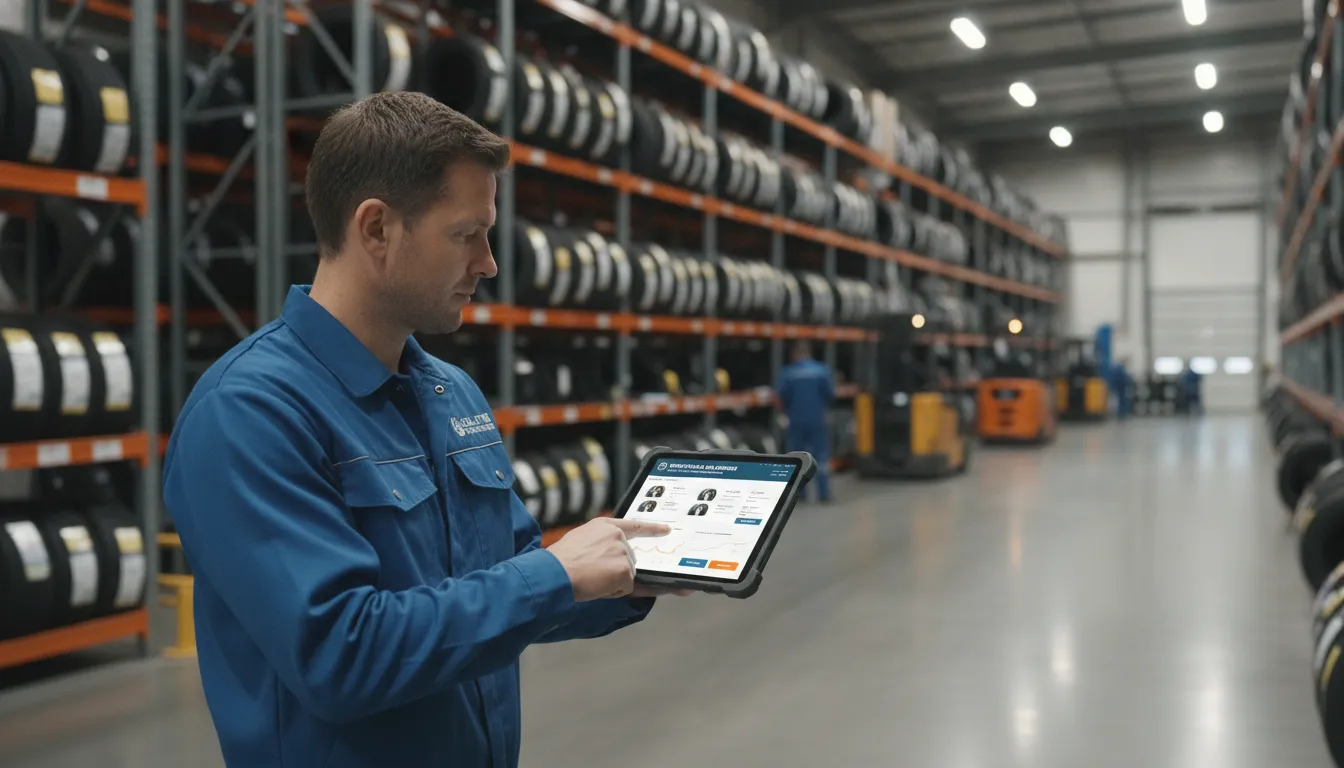
That visibility is especially important when items move quickly or when inventory is spread across locations. Staff can work from connected information instead of repeatedly checking separate systems or correcting details after an order has already been submitted. The result is a more consistent process from online order entry through fulfillment and customer communication.
- TireServ: supports the needs of tire and automotive supply distributors managing wholesale inventory and customer orders. Learn how QBC Systems TireServ ERP fits that workflow.
- BeautyServ: connects beauty supply wholesale selling with the inventory and order workflows behind the business. See how QBC Systems BeautyServ ERP supports beauty distributors.
- ShadowERP: provides a foundation for distributors that need a general wholesale distribution ERP solutions alongside eCommerce.
Choosing a vertical approach
Vertical focus helps the integration fit the language, products, customer relationships, and warehouse routines of the distributor using it. A tire distributor evaluating wholesale tire eCommerce integration may have different catalog and fulfillment requirements than a beauty supply wholesaler. QBC Systems can help map those requirements to the appropriate platform and configure the connected workflow. Implementation, training, technical support, hardware, networking, and managed IT services are available when needed. Distributors can also review QBC Systems ERP software solutions, the beauty supply kit management ERP guide, and the QBC Systems company overview when evaluating a long-term technology partner.
Since 1978, QBC Systems has worked with distributors that need dependable systems for day-to-day operations, not a disconnected collection of tools. That practical experience helps keep the integration aligned with warehouse visibility, account-level selling, and the way staff actually process orders.
Questions to Ask Before You Integrate B2B Ecommerce with ERP
QBC Systems recommends treating an eCommerce integration as an operational decision, not simply a software connection. The right questions help distributors identify process gaps, clarify warehouse requirements, and choose an implementation plan that supports daily work across sales, inventory, fulfillment, and customer service.
- Where does the current order process break down? Map how an order moves from the customer-facing store to the ERP, warehouse, invoicing, and shipment confirmation. Identify duplicate entry, delayed updates, spreadsheet workarounds, and orders that require manual review. A useful integration should address those specific gaps rather than add another disconnected system.
- Do we need real-time inventory and multi-warehouse visibility? Confirm which inventory levels customers and staff need to see, how often those quantities must update, and whether availability differs by warehouse, branch, or distribution center. Ask how the integration will handle reserved stock, backorders, substitutions, transfers, and items that are available at one location but not another. Clear rules prevent the storefront from presenting inventory that cannot be fulfilled.
- Can the system support customer-specific pricing? Wholesale customers may have account-level pricing, contract terms, quantity breaks, freight rules, or different product access. Verify that the eCommerce platform can receive the correct pricing and customer permissions from the ERP. Do not assume that a standard retail catalog can represent the account relationships your sales team manages today.
- How will item and customer master data be mapped? Establish one process for matching item numbers, descriptions, units of measure, brands, categories, images, customer accounts, shipping addresses, and tax details. Decide which system owns each field and how changes are approved. Clean mapping is especially important when the catalog contains industry-specific products, multiple package sizes, or legacy codes.
- Which order, payment, and status events must move between systems? Define the required data in both directions. This may include new orders, edits, cancellations, payment status, credit terms, invoices, shipment details, tracking information, and returns. Also ask how errors are logged, who receives alerts, and how staff can correct a failed transaction without creating a second order.
- What implementation, training, and support will the project require? Budget time for discovery, data cleanup, configuration, testing, launch preparation, and user training, even when the software connection itself appears straightforward. Confirm who supports the integration after launch and how hardware, networking, hosting, and security concerns will be handled. QBC Systems provides software, implementation, training, technical support, hardware, networking, data center solutions, and managed IT services, giving distributors one partner for the wider technology environment.
The answers should produce a written integration scope, ownership plan, testing checklist, and support process. That document gives your team a practical basis for comparing approaches and deciding what to implement first.
Frequently Asked Questions
What is ERP in ecommerce?
QBC Systems uses ERP in ecommerce to describe the connection between an online ordering platform and the back-office system that manages products, customers, inventory, orders, invoices, and shipments. A well-planned integration keeps those records synchronized, so warehouse and operations teams are not relying on duplicate manual entry.
What should wholesale distributors look for in an integration?
QBC Systems recommends checking how the integration handles item master data, customer-specific pricing, inventory availability, order status, invoices, and shipment updates. It should also provide a clear process for handling errors, duplicate orders, returns, and changes made in either system. These details matter more than a long list of platform connections.
Can an ecommerce platform integrate with an ERP?
Yes. An ecommerce storefront can exchange product, customer, inventory, order, invoice, and shipment data with an ERP. The appropriate connection depends on the platform, the ERP, the distributor's data structure, and which system should be the source of truth for each record. QBC Systems can help distributors evaluate those operational requirements before selecting an approach.
How long does an ERP integration take?
QBC Systems cannot give a responsible timeline without reviewing the systems and data involved. The main variables include catalog complexity, customer pricing rules, warehouse processes, legacy data quality, testing requirements, and the number of workflows being connected. A practical project starts with mapping those requirements, then tests representative orders before production launch.