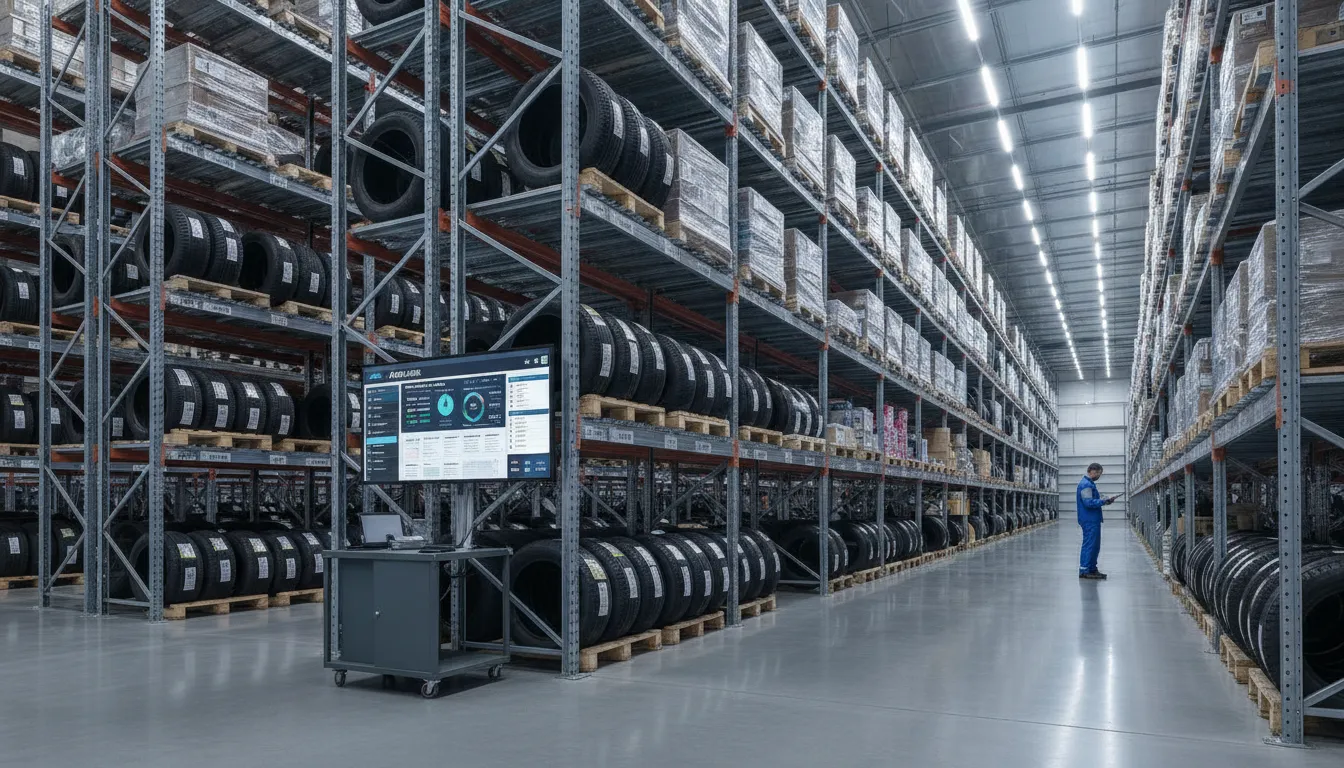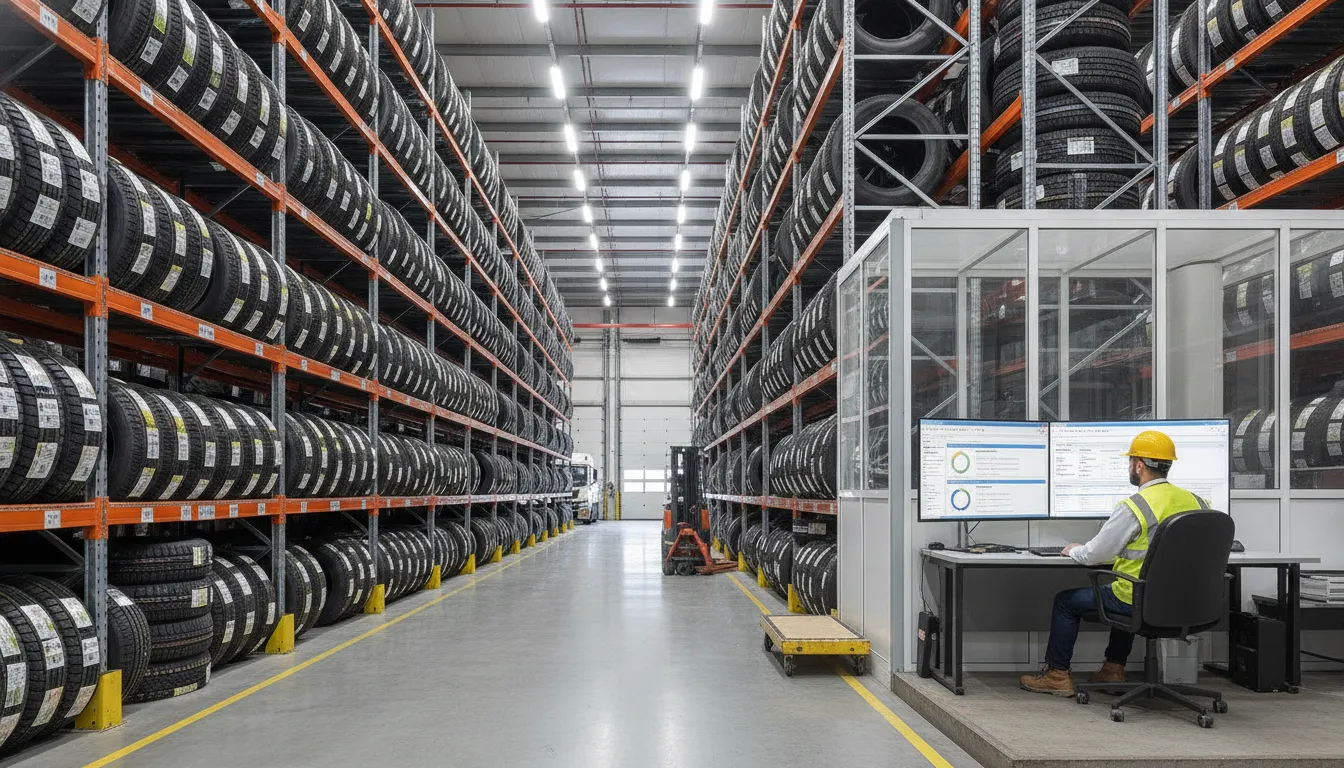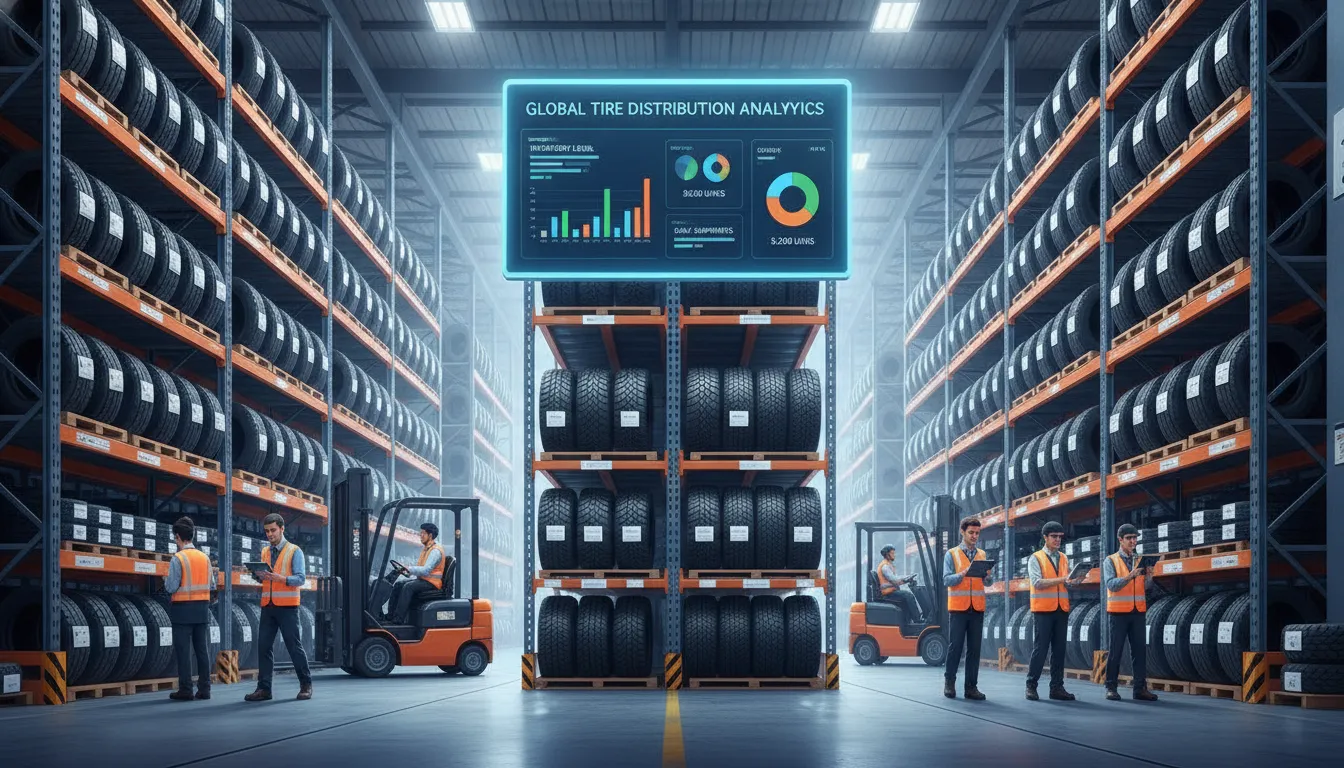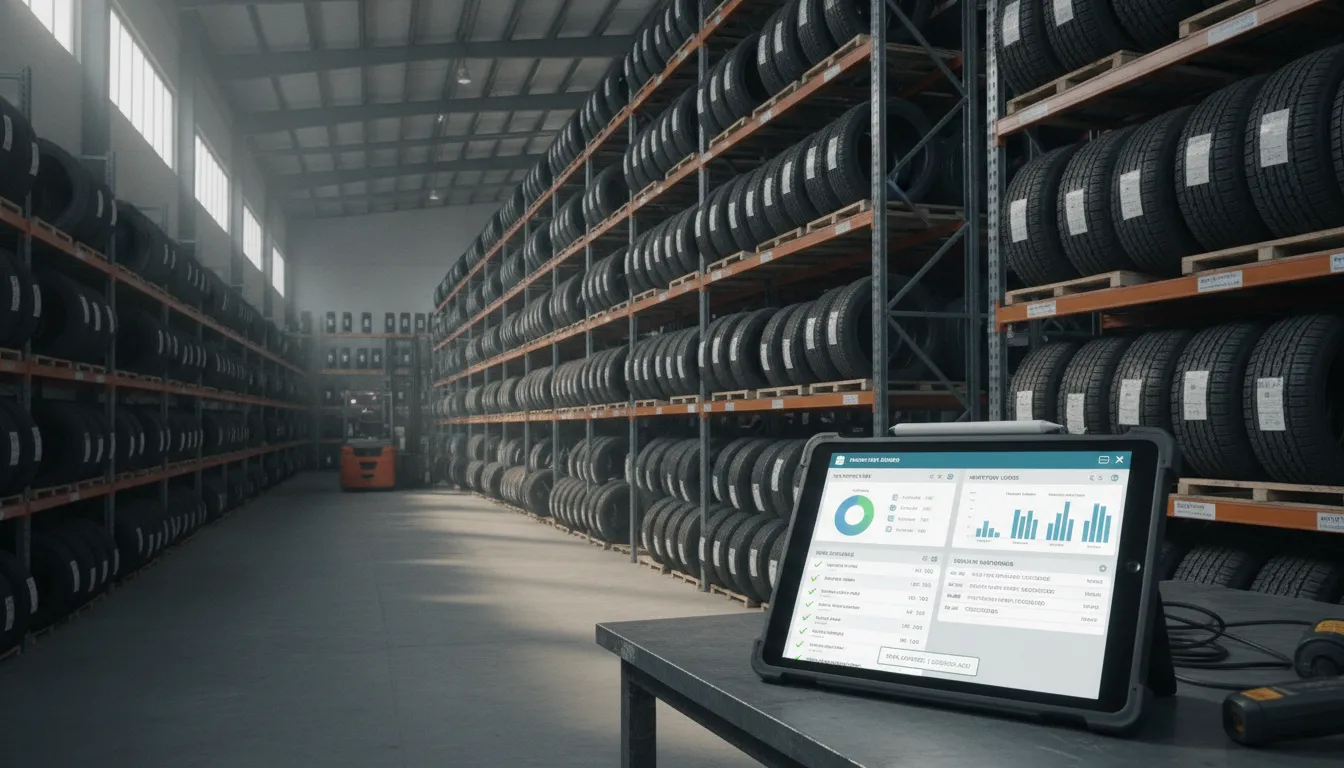

Managing inventory across several warehouses becomes difficult when each location relies on separate spreadsheets, disconnected systems, or delayed updates. A stock count that looks accurate at one facility may already be committed, in transit, or unavailable somewhere else.
For a wholesaler, multi warehouse inventory software provides one reliable view of products, quantities, orders, and movement across locations. Connected to ShadowERP, it can serve as the central backbone for general wholesale distribution, helping warehouse teams coordinate replenishment and fulfillment without building a separate process for every facility.
The practical question is not whether every warehouse should operate identically. It is how the system should give your team the visibility and control to make better decisions at each location.
What Multi Warehouse Inventory Software Does for a Wholesaler
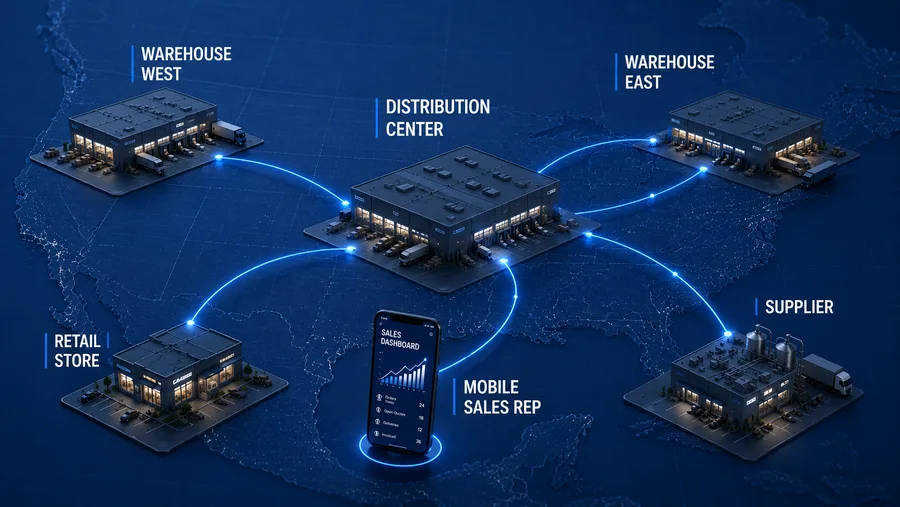
QBC Systems helps wholesalers replace disconnected warehouse records with a shared view of inventory across every physical location. Instead of asking each facility to maintain its own spreadsheet, the business works from one operating picture: what is available, where it is stored, what is committed to an order, and what may be moving between sites.
That visibility matters when a distributor has grown beyond a single building. Manual systems that may be manageable at a smaller size can become a bottleneck as operations scale, particularly for distributors in the $5 million to $250 million range. Each additional warehouse creates another place for counts, receipts, transfers, and order allocations to drift apart.
One view of stock across all locations
In practical terms, multi warehouse inventory software connects the locations to a central inventory record. A warehouse manager can check available quantities without calling another facility or waiting for an end-of-day spreadsheet. Purchasing and customer service can use the same information, which reduces the risk of promising stock that is already reserved elsewhere.
- See on-hand, allocated, and available quantities by warehouse from one system.
- Record receipts, transfers, adjustments, and shipments against the same product record.
- Give each location current inventory data so teams are not working from competing file versions.
The goal is not simply to put more data on a screen. It is to make the next operational decision easier. When data syncs as warehouse activity occurs, staff are less likely to create a local copy, make a change, and leave another site working from an outdated version. That shared record also gives managers a clearer basis for investigating discrepancies and planning replenishment.
Move available stock before placing another order
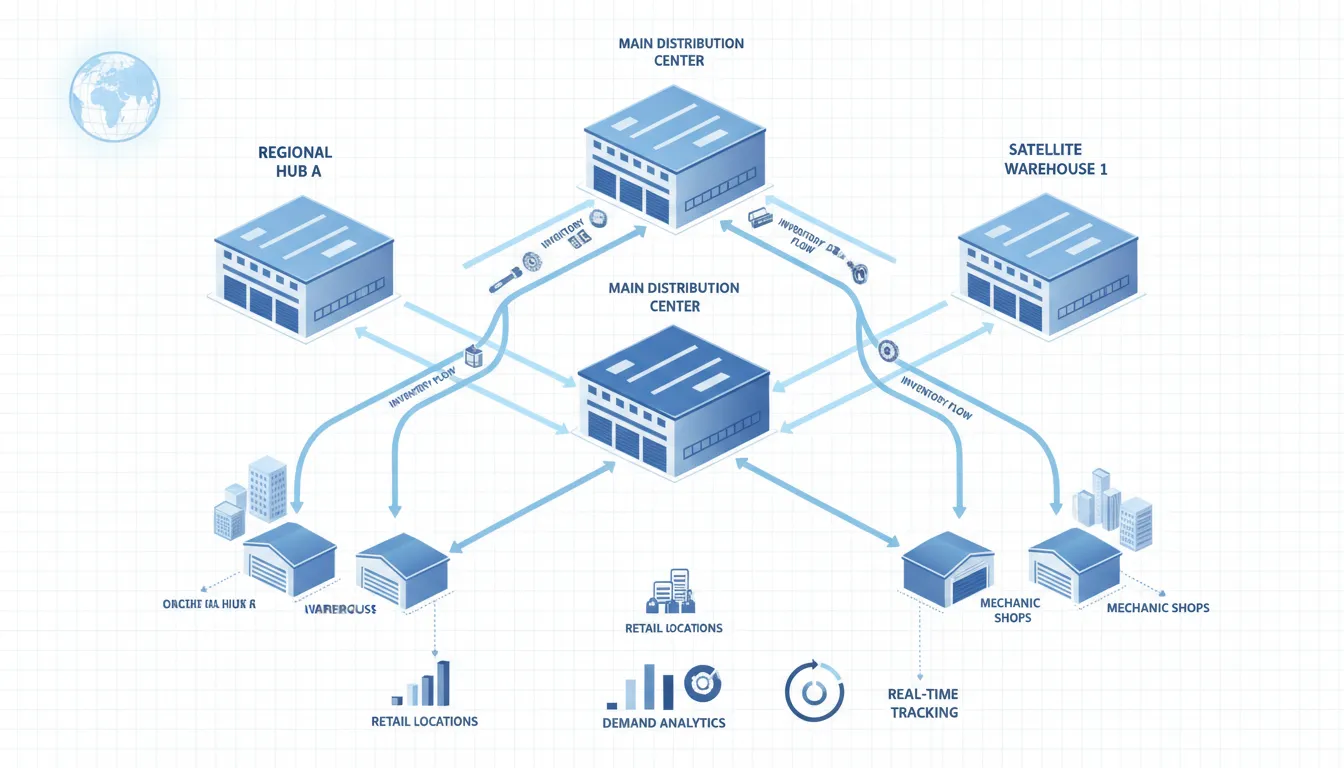
A multi-location system can also change how a wholesaler responds to a shortage. If one facility has excess stock while another needs the same item, the first question does not have to be whether to place a new supplier order. The team can check whether an internal transfer will meet demand more efficiently. Research from MIT's Center for Transportation and Logistics describes this approach as analyzing whether inventory should move from another facility where excess stock is available rather than automatically ordering more from a supplier: MIT CTL research on multi-warehouse inventory optimization.
For a general wholesaler, ShadowERP provides the ERP backbone for bringing those inventory processes together. The result is a practical workflow for checking stock, deciding where an order should be fulfilled, and coordinating transfers without rebuilding the answer in separate spreadsheets. Centralizing the information does not remove the need for warehouse judgment. It gives managers dependable information to use when making it.
Why Multiple Warehouses Break Spreadsheet-Based Inventory
QBC Systems sees spreadsheet inventory become a bottleneck when a distributor grows beyond one location and starts managing stock across several facilities. A spreadsheet can record quantities, but it does not reliably coordinate receiving, transfers, sales, returns, and purchasing when different people are updating different files. For distributors in the $5 million to $250 million range, that gap creates daily operating problems, especially when the business is outgrowing QuickBooks or other manual systems.
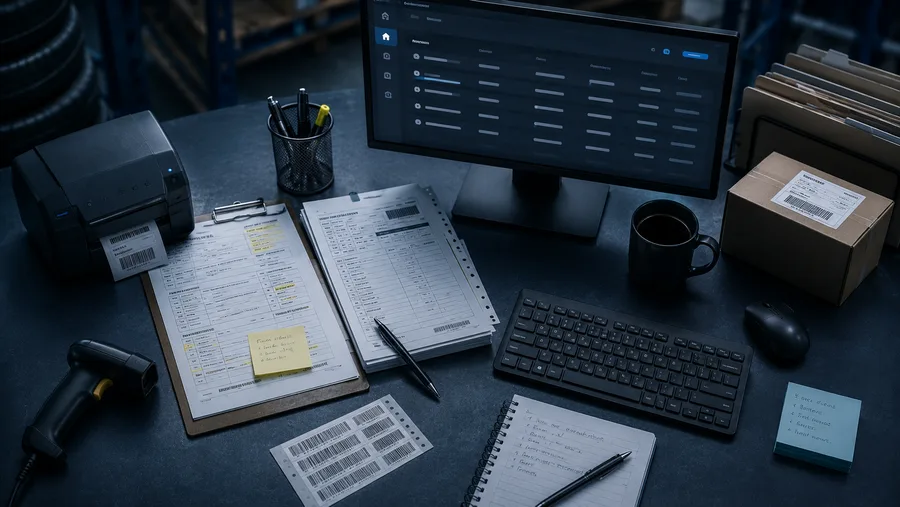
The first problem is data silos. One warehouse may maintain its own workbook, while purchasing keeps another file and sales works from an export that is already out of date. Each file may look orderly by itself, but none provides a dependable view of total available inventory. A buyer can see 40 units at the main facility and miss 25 units sitting at a second location. The result may be an unnecessary purchase, a delayed customer order, or both.
Version conflicts make the situation worse. If two employees open and change the same workbook, one person's update can overwrite another's work. Even when files are stored in a shared drive, users may continue working from downloaded copies. By the time the latest version is identified, the counts may no longer reflect what was received, picked, damaged, transferred, or sold.

Common symptoms of spreadsheet breakdown
- Warehouse staff email or print separate inventory reports because they do not trust a shared file.
- Purchasing asks each location to confirm quantities before placing an order.
- Sales promises stock that is physically committed, misplaced, or held at another facility.
- Managers spend cycle-count time reconciling spreadsheets instead of investigating the cause of variances.
Manual entry also multiplies with every location. A receipt may be entered at the warehouse, copied into a central workbook, and then re-entered into an accounting or order system. The same process may be repeated for transfers and adjustments. Each handoff is an opportunity for a missed row, transposed number, duplicate entry, or delayed update. As locations increase, inventory accuracy challenges tend to increase with them.
This affects purchasing most directly. Without one current view of on-hand, allocated, incoming, and transferable stock, buyers are forced to make decisions from partial information. Wholesale distribution trends and reports from the U.S. Census Bureau can help managers understand the broader market, but they are not a substitute for operational inventory data inside the business.
A practical first step is to map where inventory data is created, changed, and checked at each location. Then identify every duplicate entry and every report that depends on someone emailing an updated file. That exercise often shows why a centralized system, including wholesale tire inventory management practices where relevant, is needed to establish one purchasing and fulfillment picture across the network.
How to Choose Multi Warehouse Inventory Software
QBC Systems recommends treating the selection as an operational decision, not simply a warehouse technology purchase. The right system should give your team one dependable view of inventory, fit into the ERP processes you already rely on, and support the way your products move from receiving through fulfillment.
Use the following steps to compare options before scheduling demonstrations or planning an implementation.
-
Confirm that every location shares the same inventory picture
Start with visibility. Ask whether the system can show available, committed, allocated, and on-hand stock across every warehouse in real time. An ERP-connected approach should integrate inventory data across distribution points, helping staff answer practical questions without calling another facility or waiting for a spreadsheet update. Test common scenarios, such as checking whether a product is available at a second location, reviewing an order's allocation, or deciding where to fulfill a customer request.
-
Check that it works with your ERP backbone
A separate inventory application can create a second source of truth for products, quantities, and movement. Confirm whether the multi warehouse software connects to your existing ERP or requires its own records and synchronization. For a general wholesaler, an ERP such as ShadowERP can keep inventory connected to purchasing, sales, and order processing in one data model.
-
Confirm location-level controls and reporting
Make sure you can view and manage stock by individual warehouse, including receiving, transfers, adjustments, and fulfillment at each facility. Location-level reporting helps you spot slow-moving lines, excess stock, and fulfillment gaps without piecing data together from separate files.
-
Evaluate user access and employee training
Different teams need to see the same numbers without stepping on each other's work. Confirm the system supports controlled user access and that the provider offers implementation and training. A smooth rollout matters more than a long feature list when warehouse staff depend on the system every day.
-
Plan for continued support and infrastructure
Reliable inventory data depends on more than software. Consider who will handle hardware, networking, and troubleshooting after implementation. QBC Systems provides support and infrastructure management, so your team has one partner to call when issues cross systems.
-
See the system run on real warehouse scenarios
Demand a demonstration that processes an order like yours across locations, from checking stock to allocating and fulfilling it. The goal is to confirm the system supports the way your team actually receives, moves, counts, and ships products.
Warehouse Management Software vs ERP: What You Actually Need
The terms overlap, but warehouse management software (WMS) and an ERP with multi-warehouse inventory solve different problems. A WMS focuses on activity inside a facility: receiving, putaway, picking, packing, and shipping. An ERP connects inventory across locations to purchasing, sales, order processing, and financial operations. For a general wholesale distributor, that distinction affects how much information staff must reconcile every day.
A WMS may be the right layer when a distributor already has a well-established ERP and needs deeper warehouse execution tools. But adding another system also creates an integration project. The key question is whether the warehouse needs a specialized execution layer or whether the business needs one connected operating system.
| Consideration | Standalone WMS | Integrated ERP with multi-warehouse inventory |
|---|---|---|
| Primary scope | Controls warehouse execution, such as receiving, putaway, picking, packing, and shipping. | Connects inventory across locations with purchasing, sales, order processing, and broader wholesale operations. |
| Where data lives | Warehouse transactions live in the WMS and must be synchronized with the ERP. | Inventory activity is part of the ERP's connected data model, supporting visibility across distribution points. |
| Integration complexity | Requires dependable interfaces for products, orders, inventory adjustments, shipments, and status changes. | Reduces the number of handoffs because warehouse and business processes operate in the same core system. |
| Product master maintenance | Product lists, units, locations, and rules can require mapping and maintenance in both systems. | One maintained product master reduces duplicate data entry and the risk of mismatched item details. |
| Vendor relationship | Warehouse software and ERP support may come from separate vendors, with an unclear owner when an issue crosses systems. | One ERP partner can coordinate software, infrastructure, support, and the data flow between locations. |
Integration can prevent data duplication and simplify product master maintenance, but it does not make a disconnected architecture disappear. Every interface needs ownership, testing, monitoring, and a plan for handling failed or delayed updates. When inventory data is fragmented across warehouses, purchasing and fulfillment teams may work from different versions of the truth.
ShadowERP is designed as a central backbone for general wholesale distribution, with inventory processes that can adapt to different product categories. Its multi-warehouse approach supports real-time visibility across distribution points instead of treating each facility as an isolated operation. That makes the integrated ERP path a practical fit for distributors that want fewer reconciliations and a clearer connection between warehouse decisions and customer orders.
QBC Systems also approaches the technology relationship broadly. Ongoing support and infrastructure management matter because reliable inventory information depends on more than the application alone. Distributors comparing systems should consider who will help with software, hardware, networking, and troubleshooting after implementation, not only which feature list looks strongest in a demonstration.
The same principle applies to day-to-day inventory control. If the business needs a connected view of purchasing, stock, and fulfillment across locations, an ERP with built-in multi-warehouse inventory is usually the simpler foundation. A standalone WMS remains worth evaluating when warehouse execution is the specific gap and the existing ERP can support a well-managed integration. For beauty-supply distributors, BeautyServ brings that connected view to a wholesale operation built around distribution and retail customers.
What Happens When You Ignore Multi-Warehouse Visibility
QBC Systems sees centralized inventory visibility as a margin-protection issue, not simply a reporting convenience. When each warehouse works from its own spreadsheet, local database, or delayed update, the business loses a dependable view of what is available, what is committed, and what is moving between locations. That uncertainty creates costs long before anyone notices a problem in the general ledger.
The warning signs are usually practical and easy to recognize:
- Customers are told an item is available, then receive a revised promise date after the order reaches the warehouse.
- One location carries excess stock while another location experiences a stockout and loses a sale.
- Orders ship in separate parcels because the team cannot see nearby inventory or coordinate a consolidation.
- Cycle counts repeatedly uncover unexplained differences between system quantities and physical stock.
- Purchasing places supplier orders while available stock sits unused at another facility.
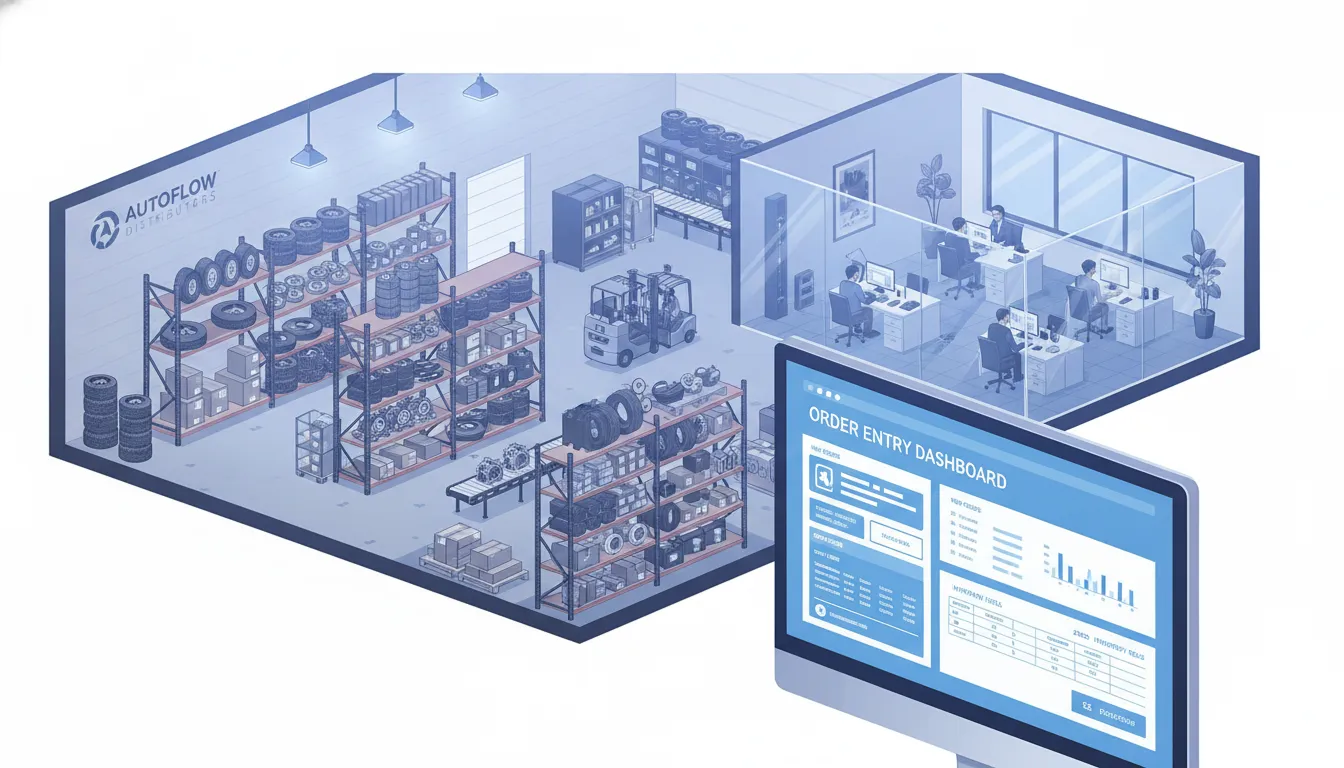
The operational cost compounds quickly. Stock that cannot be seen is stock that cannot be sold, and every stockout is a missed customer order. For tire distributors and automotive supply businesses, TireServ is built to keep warehouse and location-level inventory in one operating picture, and the same multi-warehouse discipline is available through ShadowERP for general wholesale distributors.
The fix is not more spreadsheets or a bigger report. It is a system that records each transaction once and lets every location read from the same current inventory record. That shift reduces the number of handoffs, shortens the time between a stock movement and a visible update, and gives purchasing and sales a basis for confident decisions.
Compare your current visibility before you add another facility. Schedule a Demonstration to see how QBC Systems keeps multi-warehouse inventory connected.
Frequently Asked Questions
What should wholesalers look for in multi warehouse inventory software?
Look for one system that shows available, committed, and in-transit stock by location, keeps product records consistent, and connects inventory activity to purchasing, sales, and fulfillment. It should also support the way your team actually receives, moves, counts, and ships products.
How does multi warehouse inventory software help prevent stockouts?
It gives purchasing and warehouse teams a current view of inventory across facilities instead of forcing them to rely on separate spreadsheets or delayed updates. When one location is short and another has excess stock, the team can evaluate an internal transfer before placing a new supplier order.
Is a free warehouse inventory system enough for a growing distributor?
A free tool may be adequate for a small operation with one location and limited transaction volume. As orders, product lines, and facilities grow, confirm that the system can handle centralized records, location-level controls, user access, reporting, and reliable integration with the rest of your ERP workflow.
What is the difference between a WMS and inventory software?
A warehouse management system usually focuses on activities inside the facility, such as receiving, picking, packing, and shipping. Inventory software focuses on stock records and movement across the business. For a wholesaler, connecting those functions to an ERP such as ShadowERP helps keep warehouse activity, purchasing, sales, and financial records aligned.
Schedule a Demonstration of ShadowERP
QBC Systems can help you evaluate how multi warehouse inventory software may fit your wholesale distribution operation and day-to-day warehouse needs. To discuss your current setup and see how ShadowERP connects inventory across locations, contact the QBC Systems team and schedule a demonstration that runs against your own operation.