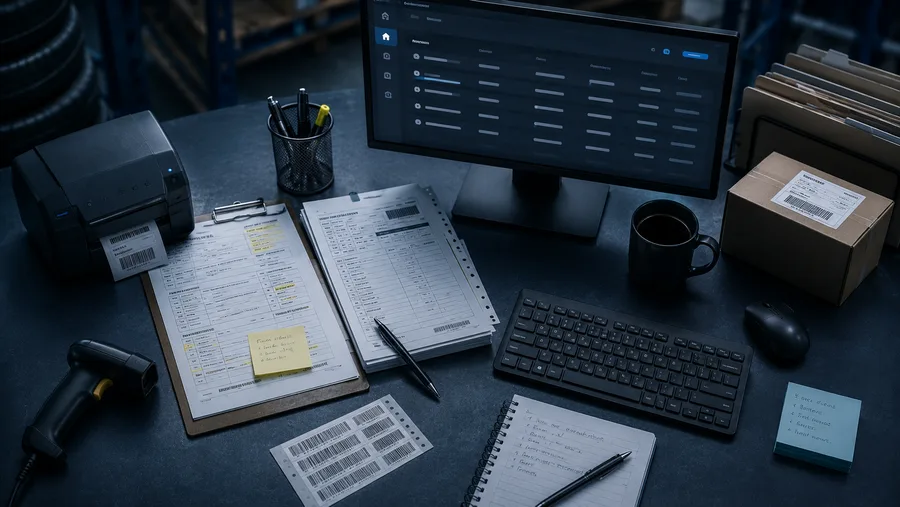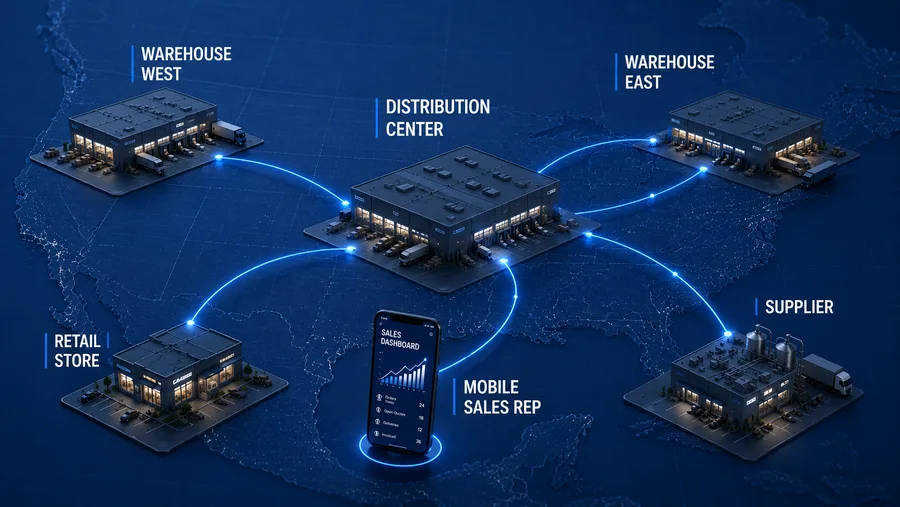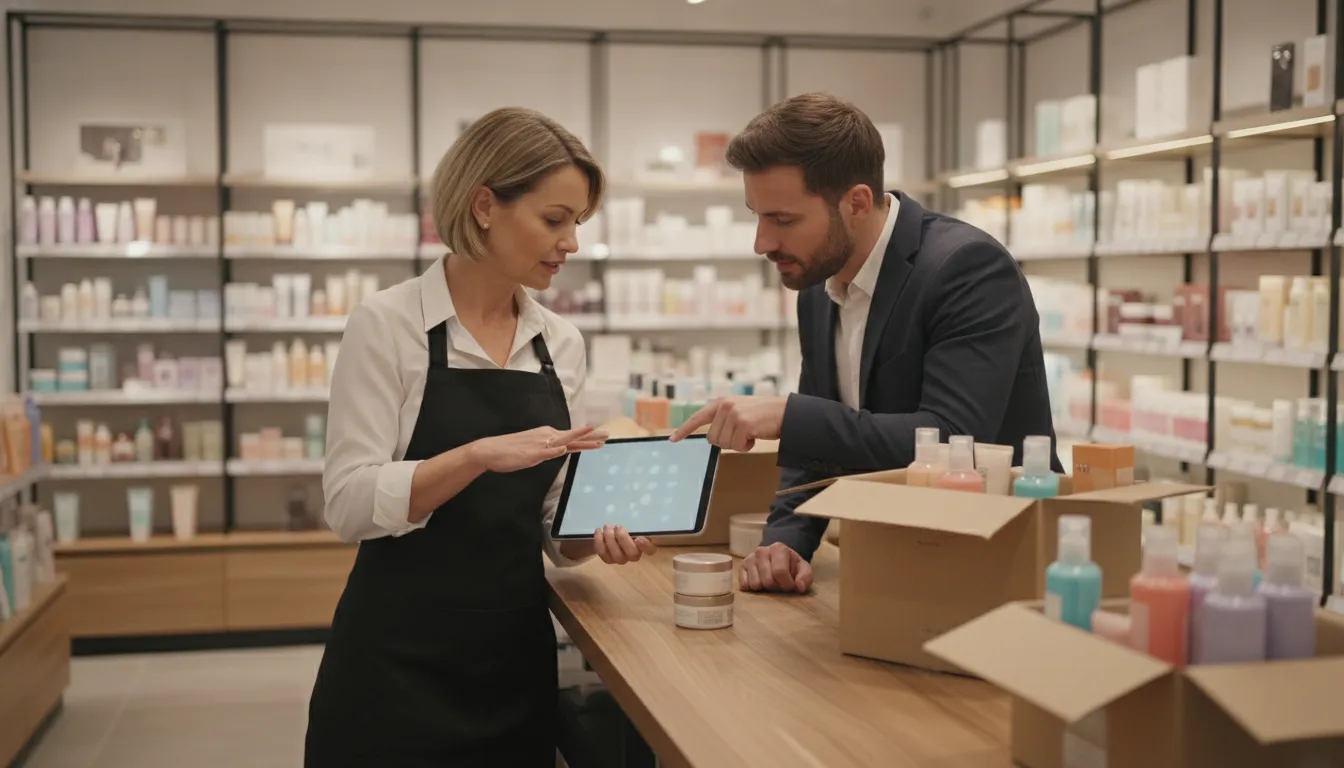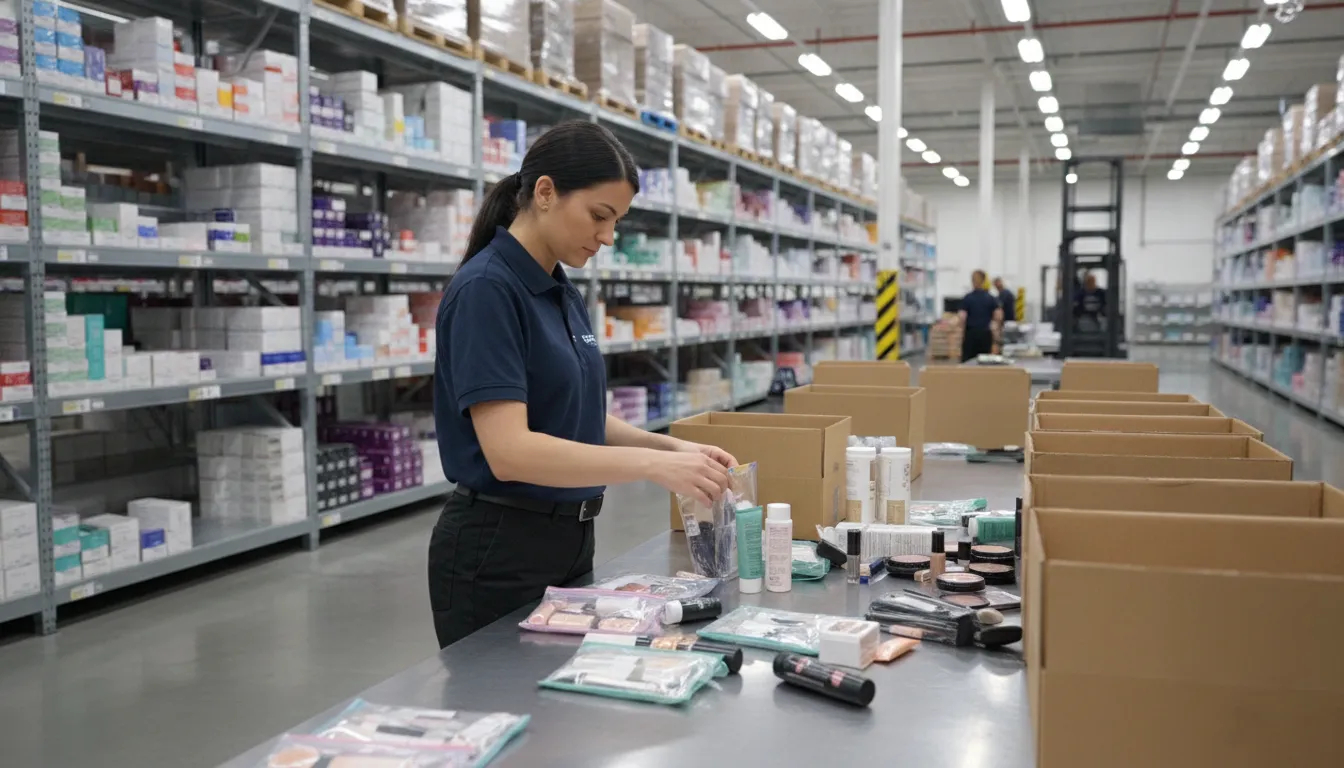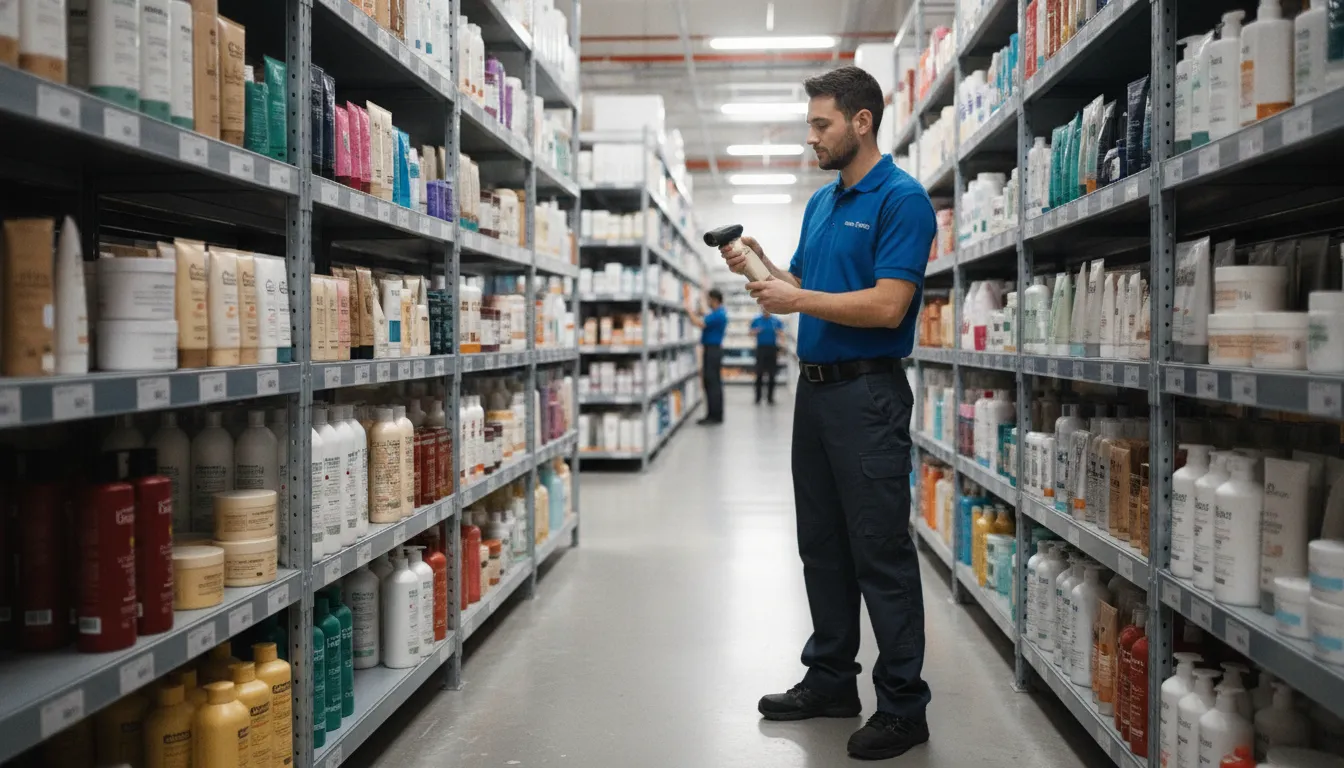

For a beauty supply wholesaler, an order is rarely just a transaction. It may belong to a salon master account, an individual stylist, a recurring buying pattern, or a customer with specialized pricing. When those relationships are separated across spreadsheets, POS notes, and disconnected records, staff spend too much time reconstructing what happened.
Beauty supply wholesale order tracking should connect the salon relationship with stylist-level history, customer and product-line pricing, and the information staff need to understand an order's progress. BeautyServ supports historical transactions, master accounts that identify salons and individual stylists, and views of individual or salon-wide stylist sales history. It also connects customer and product-line pricing within a beauty distribution workflow. Learn about BeautyServ ERP for beauty supply distributors.
The practical starting point is understanding why salon and stylist orders need a different tracking model from standard wholesale accounts. That distinction shapes how teams organize account history, answer questions, and protect the customer relationship.
How Salon and Stylist Order Tracking Differs from Standard Wholesale
QBC Systems connects salon-level account visibility with the individual stylist history that makes beauty distribution different from standard wholesale. In a typical wholesale workflow, the customer account may be enough to understand who ordered, what was purchased, and how the transaction should be handled. A salon account can be more layered: one master relationship may include several stylists, each with distinct buying patterns and account activity.
That distinction matters when a salon asks about a previous order or wants to repeat a product purchase. Staff should be able to view the salon relationship without losing the detail tied to a specific stylist. BeautyServ retains historical transactions online and supports a Master Account view that identifies the salon and its individual stylists. Users can review an individual stylist's sales history or see sales for the stylists tied to the salon.
This structure gives order conversations more useful context. A representative can distinguish a stylist's history from the salon's broader purchasing activity, rather than treating every transaction as one undifferentiated account record. It also supports customer-specific pricing decisions. BeautyServ documents customer and product-line pricing, including specialized pricing by customer type. So a review should consider whether the order belongs to a salon, professional stylist, educator, or another account category.
For a closer look at the account model, review these stylist account management features. BeautyServ ERP for beauty supply distributors is designed to keep salons, stylists, pricing, and related inventory context connected. The result is a narrower, more practical form of beauty supply wholesale order tracking, centered on the customer relationship behind the order.
How Can Wholesalers Manage High-Volume Order Entry Across Stylist Accounts?
QBC Systems helps beauty wholesalers structure order entry around the customer relationship, the individual stylist, and the products being purchased. That matters when a salon account includes several stylists, each with different buying patterns, preferences, or account notes. The goal is not to create an unverified order queue. It is to make each order easier to identify, price, review, and carry through invoicing.
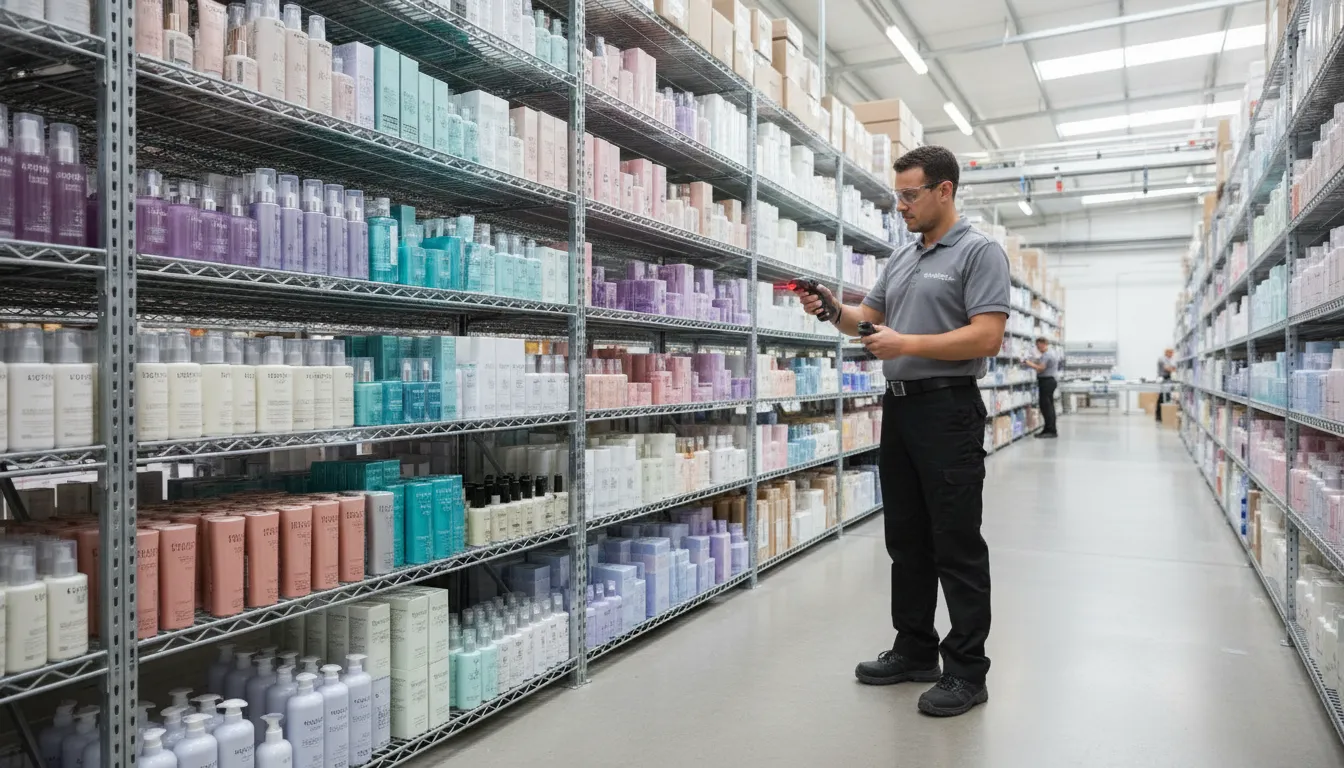
Start with reliable lookup. BeautyServ supports customer lookup and item lookup throughout the system. Sales entry can accept an item number, short item alias, barcode, or manufacturer item number. That gives order-entry staff practical ways to find products when a stylist calls with a familiar code, a scanned package, or a supplier reference. The workflow also supports beauty product barcode tracking as part of a broader identification process.
- Find the salon or stylist account before entering the order.
- Confirm the requested product using the most reliable available identifier.
- Review customer-specific context, including POS comments and account details.
- Save a quote when the order needs review, then transfer the quote to an invoice when it is approved.
Customer-specific POS comments can preserve useful instructions for repeat orders, while a customer daily sales report gives managers a way to review account activity. These details help staff answer questions without rebuilding the account history from emails, paper notes, or separate spreadsheets. For a broader view of the systems involved, see this beauty supply wholesale software guide.
For teams evaluating beauty supply wholesale order tracking, the important test is whether order entry keeps account, item, quote, invoice, and reporting context connected. That supports faster, more consistent service without treating every stylist order as an isolated transaction.
How Should Beauty Wholesalers Handle Backorders and Substitutions?
QBC Systems recommends treating a backorder as a decision workflow, not simply a delayed shipment. For a salon or stylist, the right response depends on the requested item, its intended use, the customer account, and what is available elsewhere in the operation.

Start by confirming the exact product and checking availability by manufacturer and product type. BeautyServ's QicScan item lookup is documented as displaying item availability, and the system also supports availability information with substitutes. That can give an order-entry or customer-service team a practical starting point for reviewing alternatives before promising a replacement. It does not mean every substitute is appropriate or that a customer will accept one.
- Confirm the original item, quantity, and the customer's required delivery timing.
- Review an available substitute for product type, size, shade, brand requirements, and customer approval.
- Check whether the order involves a kit, rebate, special price, or another condition that could change the recommendation.
- Record the decision and communicate what will ship now, what remains pending, and what requires follow-up.
Kits and bar codes can help staff identify products consistently, while rebates and customer-specific pricing may affect the financial side of a substitution. BeautyServ describes support for kits, bar codes, rebates, and multi-warehouse inventory in the same operation. Those capabilities support review and coordination, but wholesalers should define their own approval rules for substitutions, partial fulfillment, and customer notification. Learn more about beauty supply kit management and cosmetics distributor inventory control as part of a broader process for keeping availability decisions connected to fulfillment work.
How Can ERP Connect Order Tracking to Inventory and Fulfillment?
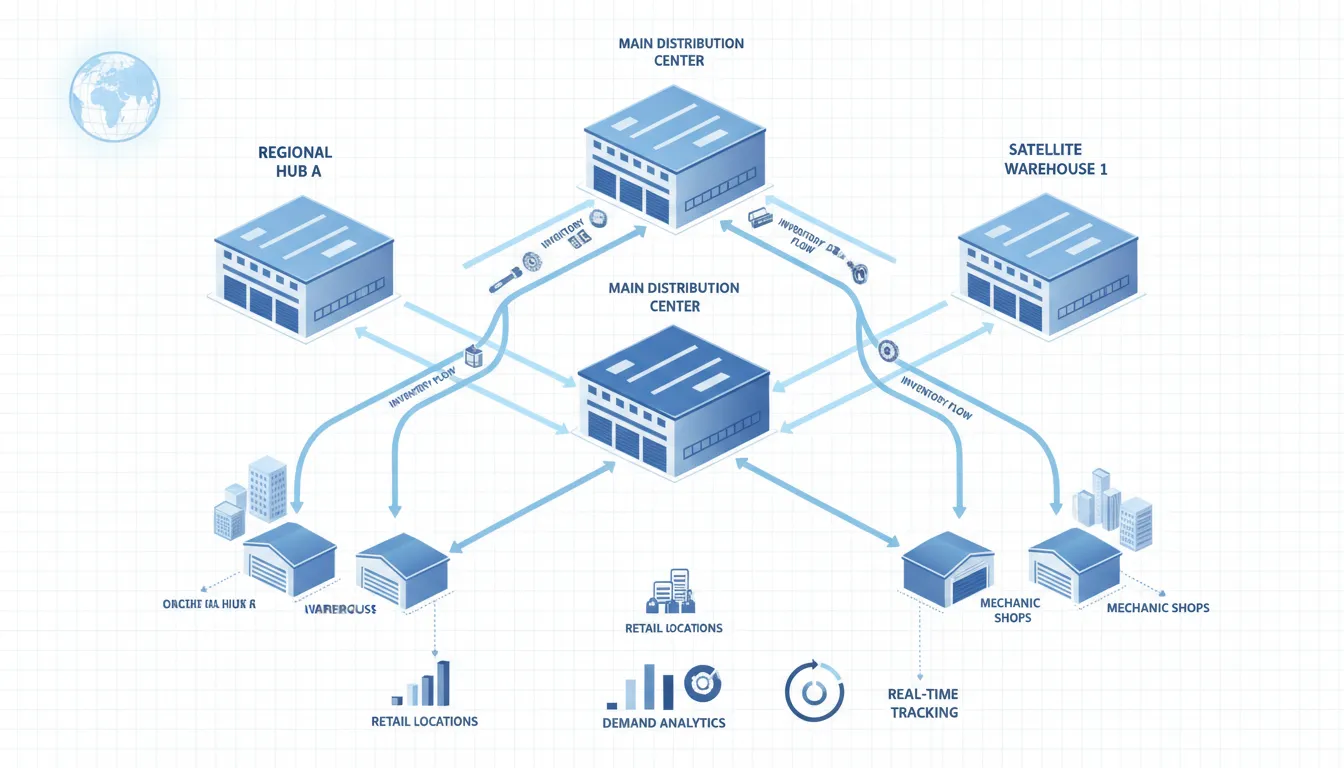
QBC Systems helps beauty supply wholesalers think about order tracking as a connected workflow, not a status label isolated from customer records, items, inventory, and shipping decisions.

For a salon or stylist order, staff need to know who placed the order. Which account relationship applies, what was requested, where the items are available, and what can be fulfilled now. BeautyServ supports online real-time updating, with batch processing available for branches, and includes bill-to and ship-to customer records. Those capabilities provide an operational foundation for connecting the order to the right customer and destination.
BeautyServ also supports item entry through item numbers, aliases, bar codes, or manufacturer item numbers. That matters when an order moves from sales entry to warehouse fulfillment, because the same item identity should remain clear across the process. Its availability and substitute functions can help staff review options before promising a product that is not available. For broader planning, see QBC's guide to cosmetic warehouse management and its overview of salon inventory management system integration.
General order-tracking practice, documented in academic procurement guidance, commonly connects an order to identifiers and shipment events. That material describes useful workflow concepts, but it is not proof that every function is a native BeautyServ screen:
- Locate the order using a purchase order number, supplier order number, or another approved identifier.
- Review whether the order is accepted, partially shipped, or fully shipped.
- Record shipment details, such as tracking numbers and estimated arrival dates, while recognizing that an ETA is an estimate.
- Match multiple tracking numbers to the order when items ship separately.
The result is a clearer handoff between order entry, inventory review, and fulfillment communication. Before selecting or configuring an ERP, wholesalers should confirm which order-status, carrier. And ETA functions are available in their specific implementation rather than assuming that general tracking practices are included by default.
Which Order Details Should Teams Capture for Every Stylist Request?
QBC Systems helps beauty distributors connect salon accounts, stylist relationships, pricing, and inventory context, but a reliable request record still depends on disciplined order entry. The goal is not to create more paperwork. It is to capture enough detail that another team member can understand what was requested, what was promised, where it should go, and who owns the next action.
Start with the account identity. Record the salon or business master account, then identify the individual stylist when the request comes from a stylist working within that account. That distinction preserves the customer relationship while making stylist-level history useful for future conversations. BeautyServ supports viewing an individual stylist's sales history as well as sales for stylists tied to the salon. So the relationship should be part of the order record rather than left in an email or personal notebook.
Capture the request in terms the warehouse can use
Every line should have a clear item identifier. Depending on the information supplied by the customer, that may be an item number, short item alias, barcode, or manufacturer item number. BeautyServ supports these sales-entry methods and provides item lookup throughout the system. When a stylist uses an informal product name, the order-entry employee should confirm the corresponding item identifier before the request moves forward. This simple check reduces ambiguity between similar colors, sizes, formulas, or pack quantities.
Record the price context at the same time. Note the applicable customer type, product line, quote, or other agreed pricing basis instead of treating the displayed price as self-explanatory. BeautyServ provides customer and item price inquiry, and customer-specific POS comments can preserve relevant account notes. If the request began as a quote, retain that reference and its status. BeautyServ supports saving customer quotes and transferring a quote to an invoice, but staff should still confirm that the requested items and terms match the customer's understanding.
- Account: salon, stylist, buyer, and contact details.
- Items: identifier, description, quantity, and requested variation.
- Commercial context: quote reference, customer pricing basis, and account notes.
- Fulfillment: availability, destination, exceptions, and promised timing.
- Ownership: the employee responsible for confirmation or follow-up.
Make destination and exceptions visible
Separate the destination from the account identity. Confirm whether the request is for the salon's usual location, another ship-to address, or a pickup arrangement. BeautyServ supports bill-to and ship-to customer records, giving teams a defined place to maintain that distinction. Availability should also be recorded as a decision, not merely assumed. If an item is unavailable, document whether the customer accepted a substitute, requested a later shipment, or needs a follow-up before anything changes. BeautyServ materials describe availability lookup and substitute visibility, but the customer-facing decision remains a process responsibility.
Finally, assign the next action and owner. A request is not fully trackable if the record shows an exception but no person responsible for resolving it. Use the customer-specific note field where appropriate, then make the follow-up owner and due point clear in the team's working process. This narrower checklist complements broad order tracking: it focuses on the account, stylist, item, price. Destination, exception, and owner details that make each salon request understandable from entry through resolution.
What Should Beauty Supply Wholesale Order Tracking Software Show Wholesalers?
QBC Systems gives beauty wholesalers a practical standard for evaluating beauty supply wholesale order tracking: can staff see the customer. Pricing, inventory context, and follow-up requirements together, rather than reconstructing the order from separate records?
A useful system should support the way beauty distributors sell. That includes different customer types, product lines, rebates, kits, bar codes, and inventory across more than one warehouse. It should also help staff protect account relationships while keeping order decisions consistent.
| Area | Disconnected or manual tracking | Connected ERP workflow |
|---|---|---|
| Account context | Staff search across notes, spreadsheets, and separate customer records to understand who placed the order and where it belongs. | Customer records, account relationships, and relevant order history stay connected. The system can support bill-to and ship-to records and show key account details together. |
| Pricing | Employees look up customer terms manually, increasing the chance of using an outdated rule or missing a rebate. | Customer and product-line pricing, customized price books, contract dates, credit terms, and rebate tracking are available as part of the order context. See QBC's matrix pricing for beauty distributors guidance. |
| Inventory and substitutes | Availability is checked in a separate tool, while substitute decisions and kit components are recorded informally. | Availability, substitutes, kits, bar codes, rebates, and multi-warehouse inventory can be considered within the same operating picture. |
| Fulfillment follow-up | Order questions depend on emails, calls, handwritten notes, or a staff member remembering the latest update. | Bill-to and ship-to context, customer comments, credit holds, and authorization requirements help staff determine what needs review before fulfillment. |
| Reporting | Managers assemble customer and product activity manually, making recurring review slow and inconsistent. | Customer daily sales reporting and account-level records provide a more consistent basis for reviewing activity and follow-up. |
These criteria do not mean every order-status or carrier event must appear in one screen. They mean the system should preserve the commercial context needed to answer an order question accurately. BeautyServ documents customer and item price inquiry, customer-specific pricing, credit controls, daily sales reporting, and related workflow capabilities. Review the specific screens, permissions, and implementation approach with QBC before selecting a system.
Frequently Asked Questions
Can wholesalers track a stylist's order history separately from the salon account?
Yes. BeautyServ supports a salon master account that identifies individual stylists and lets users view individual stylist sales history or sales for the stylists tied to the salon. That structure keeps the salon relationship intact while giving order-entry and account teams the detail needed to understand who is buying and what they typically purchase.
How should a distributor confirm the right price before entering a salon order?
Start with the customer record and the items being ordered, then review the applicable customer or product-line pricing. BeautyServ supports customer and item price inquiry, customer-specific price books, contract pricing with start and stop dates, and customer or product-line pricing. Your team should still confirm the account setup and internal pricing rules before finalizing an order.
Does BeautyServ provide shipment status and carrier tracking for every order?
The available product information supports account, sales history, item, pricing, and inventory workflows. But it does not clearly document a specific shipment-status screen or carrier tracking event for every order. Treat shipment visibility as a workflow requirement to verify during implementation. Define which order identifiers, fulfillment updates, shipment details, and exceptions your team needs to see.
How can order tracking help when an item is unavailable?
Order tracking is more useful when staff can connect the customer request to current item availability and a practical substitution review. BeautyServ documents item availability lookup by manufacturer and product type, as well as availability with substitutes. Staff can then confirm the salon's needs, review an acceptable alternative, and document the decision rather than relying on disconnected notes or memory.