
Answer capsule: QBC Systems helps tire and automotive supply distributors connect wholesale pricing rules with quotes, orders, inventory, and margin visibility. Distributor pricing matrix software gives teams a consistent way to manage account tiers, quantity breaks, and contract terms without relying on disconnected spreadsheets for every order.
Schedule a Demonstration of TireServ with QBC Systems
What Is a Distributor Pricing Matrix and Why Does It Matter?
QBC Systems approaches distributor pricing as an operational workflow, not just a number stored beside a tire SKU. A distributor pricing matrix is a set of rules that helps a wholesale business determine which price should apply when a customer, product, quantity, branch, or agreement changes.
For a tire wholesaler, the same item may be sold to different types of accounts under different commercial conditions. An independent dealer may have one price level, a fleet account may have negotiated terms, and a garage or retail customer may buy through a different channel. A price matrix gives the business a framework for managing those differences deliberately.
The exact structure varies by distributor. Some businesses organize tiers around customer groups. Others use product lines, purchase volume, regional branches, promotions, or contract dates. The important point is that the rule should be understandable, repeatable, and connected to the order process.
- Account context: Which customer, customer group, or agreement is associated with the order?
- Product context: Which tire, automotive product, brand, category, or product line is being sold?
- Quantity and commercial context: Does the order qualify for a volume tier, promotion, rebate, or contract condition?
- Margin context: Does the resulting price support the distributor's margin policy?
Without a structured approach, sales staff may search old files, ask a manager to confirm a price, or copy values from a spreadsheet that is already out of date. That slows order entry and creates avoidable disputes when an account receives a different price than expected.
For background on how ERP connects these workflows, see QBC's tire wholesale and distribution ERP guide.
How Do Tire Wholesalers Structure Multi-Tier Pricing for Dealer Accounts?
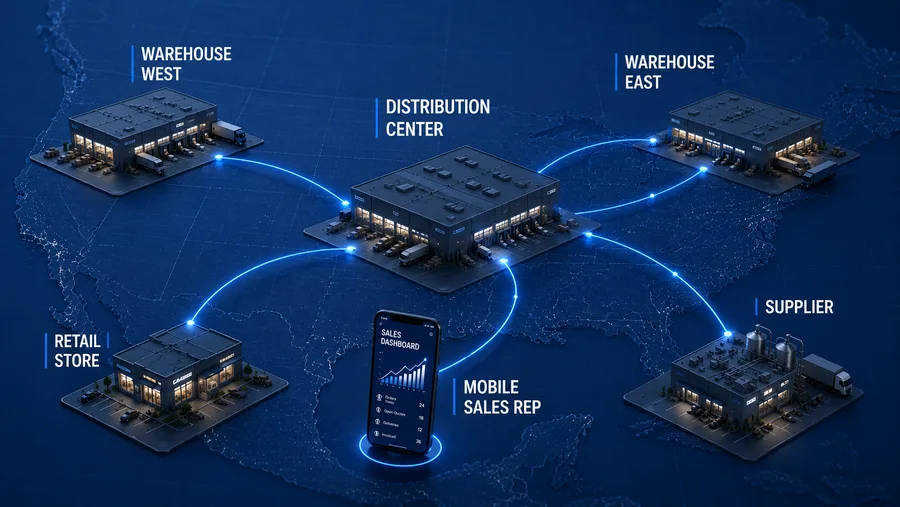
QBC Systems serves distributors that may sell through several account types and locations. A useful pricing matrix starts by identifying the commercial differences that matter, then assigning a manageable number of pricing tiers instead of creating a one-off rule for every customer.
Common account groupings can include independent tire dealers, service garages, fleet buyers, automotive dealerships, national or regional accounts, and internal branches. These labels are useful for planning, but they should reflect the distributor's actual contracts and sales policies. A business should not create a tier simply because another distributor uses one.

Pricing rules are most useful when sales and warehouse teams can work from the same order context.
A practical tier structure usually answers four questions:
- Who is the buyer? Identify the account class or agreement that governs the sale.
- What is being purchased? Separate rules for product lines or categories only when the business has a real commercial reason to do so.
- What quantity or commitment applies? Define whether a break depends on units, order value, recurring volume, or a contract.
- What exceptions are allowed? Document how promotions, rebates, special quotes, or manager-approved overrides are handled.
Keep the matrix understandable for the people who use it. A structure with too many overlapping conditions may appear precise but still create confusion at the counter. It is better to have clear tiers with defined ownership than a large spreadsheet that only one employee knows how to interpret.
Pricing should also be reviewed alongside inventory and purchasing. A price that encourages demand for a product with limited availability may create a fulfillment problem. A discount that looks attractive in isolation may also reduce the margin needed to cover delivery, handling, or other operating costs.
QBC's B2B ordering guidance for tire wholesalers explains why live inventory, order history, quotes, and account context matter when dealers place orders.
How Should ERP Manage Volume Discounts, Account Tiers, and Contract Pricing?
QBC Systems positions TireServ around the connected distribution workflow that surrounds pricing decisions. Current TireServ product materials describe flexible pricing rules, promotions and rebates, margin visibility, quotes and orders, multi-warehouse inventory, and reporting. Those capabilities are more useful together than as isolated tools.
In a spreadsheet-based process, a sales representative may need to check several sources before confirming an order price. An ERP workflow should make the relevant customer and product information available at the point where the quote or order is entered. That helps the employee follow the distributor's approved process instead of relying on memory.
| Pricing situation | What the distributor needs to control | What to verify in a demonstration |
|---|---|---|
| Account tier | Which customer group or agreement applies | How the account's pricing context is shown during quoting and order entry |
| Volume break | What quantity or purchase condition qualifies | How the team confirms the applicable rule without a separate spreadsheet |
| Contract price | Effective dates, products, customers, and exceptions | How staff review terms and handle an approved exception |
| Promotion or rebate | Eligibility, timing, and margin impact | How promotions and rebates are tracked with the related transaction |
The table is an evaluation framework, not a claim that every distributor uses the same setup. Product owners should confirm the exact configuration available for a particular TireServ implementation. This is especially important when a distributor needs customer-by-product-line rules, complex contract conditions, or automated calculations.
The goal is not to make every price decision invisible. Managers still need controls, approval processes, and reporting. The goal is to reduce unnecessary manual lookup while making the decision easier to review after the order is placed.
For a broader look at the order-entry side of distribution operations, read QBC's guide to auto distributor order entry.
How Does TireServ Support Distributor Pricing at the Order Entry Level?
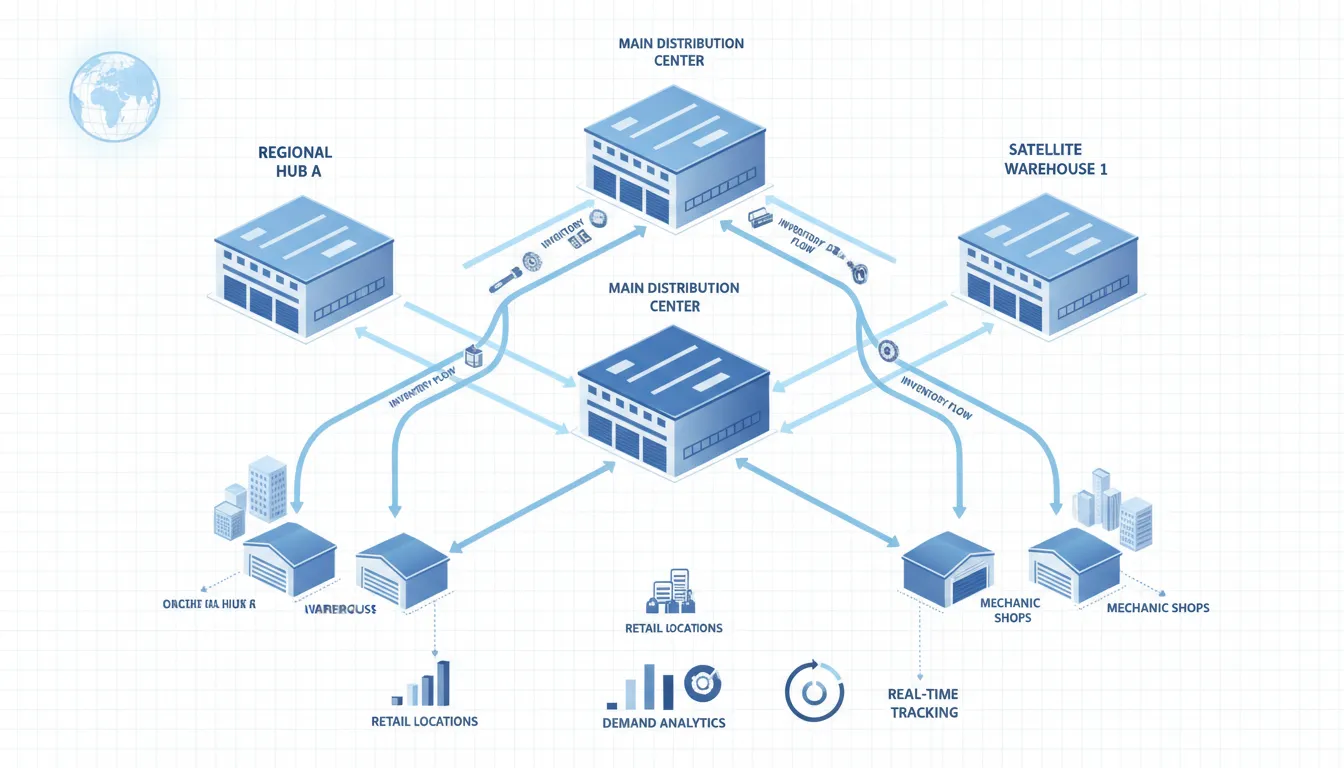
QBC Systems designs TireServ for tire and automotive supply distribution, where an order often connects customer service, sales, inventory, purchasing, and fulfillment. TireServ supports the broader pricing and order-entry workflow through flexible pricing rules, quotes and orders, promotions and rebates, margin visibility, and connected distribution data.
At order entry, a distributor should be able to work through a consistent sequence:
- Identify the account. Confirm the customer record, branch, sales context, and any relevant account terms.
- Confirm the product. Select the correct tire or automotive product and verify available stock or sourcing information.
- Review the applicable pricing context. Check the rule, quote, promotion, rebate, or contract condition that should govern the transaction.
- Confirm margin and exceptions. Make sure an unusual price has an approved reason and does not create an unrecognized margin problem.
- Complete the order and retain the record. Keep the quote or order connected to the customer and product information used to make the decision.

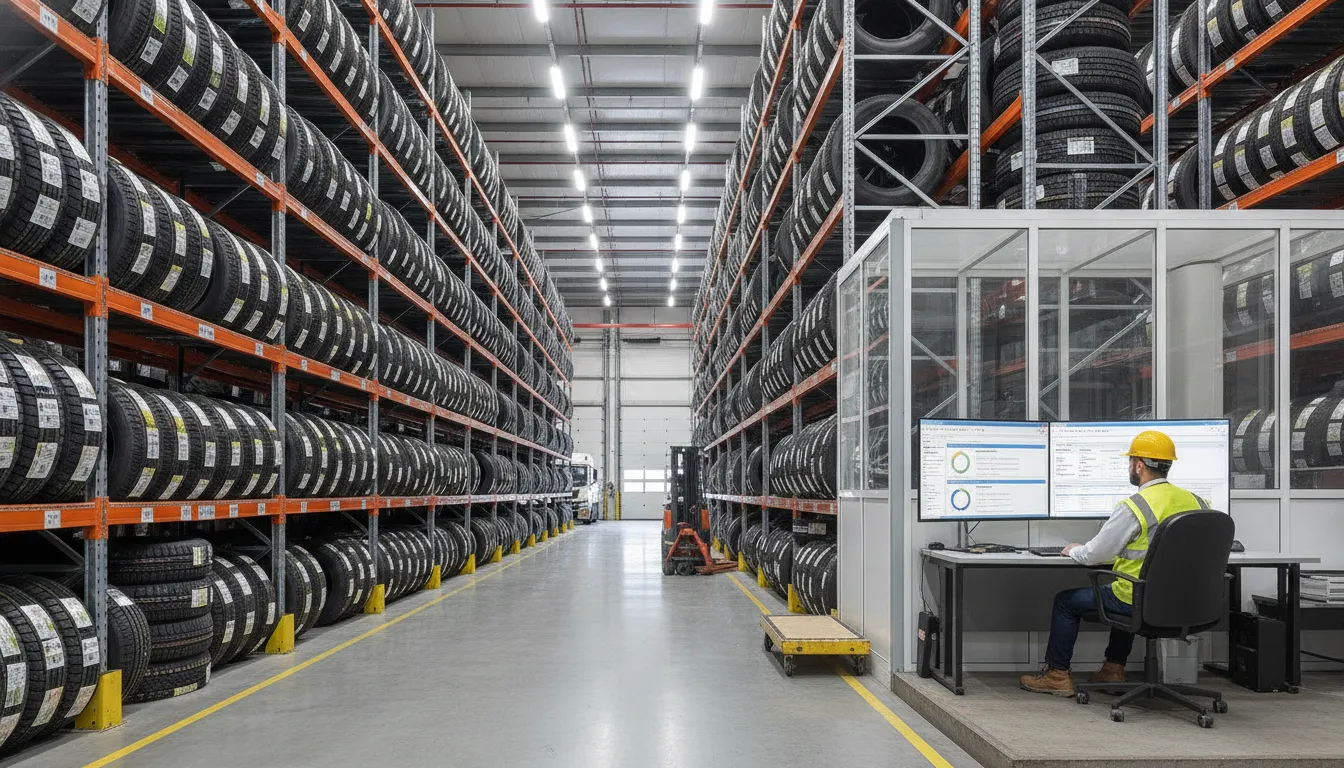
Pricing decisions work best when inventory and warehouse context are part of the same distribution process.
This approach matters when an order is entered by someone who did not negotiate the original agreement. The system should give that employee enough context to follow the approved rule and recognize when a transaction requires review.
TireServ also includes multi-warehouse functionality and reporting in its documented capabilities. That gives distributors a way to review pricing activity in the context of locations, sales, inventory, and operational performance. Confirm the exact fields, approval controls, and customer-specific configuration during a TireServ demonstration.
See the TireServ ERP solution page for the current overview of the platform's role in tire and automotive distribution.
What Pricing Mistakes Do Tire Distributors Make Without ERP?
QBC Systems sees the value of vertical ERP most clearly when it is tied to a real operational problem. Pricing errors are often symptoms of disconnected processes, unclear ownership, or a lack of shared information between sales, warehouse, and accounting teams.
- Using a single price for every account: A standard list price may ignore negotiated terms, account groups, volume, or promotions.
- Maintaining duplicate spreadsheets: Multiple copies make it hard to know which file is current and who changed a value.
- Applying a discount without checking margin: A price can win an order while creating an unexpected margin problem.
- Forgetting effective dates: Old contract terms or expired promotions may remain in circulation after they should have ended.
- Keeping exceptions in email: A special price that is not connected to the customer or order record is difficult to audit later.
- Separating pricing from inventory: A rule that ignores stock position, branch availability, or replenishment can create fulfillment pressure.
These issues do not mean every distributor needs the same system configuration. They do show why the evaluation should focus on the full workflow rather than a standalone price list. Ask how the software supports quoting, order entry, account review, inventory visibility, reporting, and manager oversight in one process.
For related inventory controls, review QBC's wholesale tire inventory management best practices and guidance on multi-location tire inventory.
How Can a Tire Distributor Move Away from Spreadsheet Pricing?
QBC Systems recommends starting with a focused workflow review instead of trying to redesign every process at once. A distributor can select one product line, branch, or account group and document how prices are currently quoted, approved, entered, and reviewed.
Use this checklist when evaluating distributor pricing matrix software:
- List the account types and pricing differences that are actually in use.
- Identify where sales staff look up prices and where errors or delays occur.
- Separate standard rules from negotiated exceptions and temporary promotions.
- Define who can approve overrides and how that approval should be recorded.
- Check whether quote, order, inventory, margin, promotion, and reporting data stay connected.
- Ask for a demonstration using a realistic tire distributor scenario, not a generic retail example.
A product demonstration should also address implementation, training, and ongoing support. Pricing rules are only valuable when the people entering orders understand them and the business has a process for maintaining them. QBC's full-service model includes ERP software, implementation, training, and technical support for distributors that need more than a software login.
Distributors can also connect this review to their existing warehouse and e-commerce plans. QBC's guide to tire wholesale e-commerce integration options covers related questions about online ordering, inventory, customer access, and operational fit.
Schedule a Demonstration of TireServ pricing and order workflows with QBC Systems
Frequently Asked Questions About Distributor Pricing Matrix Software
What is distributor pricing matrix software?
Distributor pricing matrix software helps a wholesale business organize account, product, quantity, contract, promotion, and margin rules so staff can apply pricing consistently during quotes and orders. The exact rules depend on the distributor's commercial policies.
Do tire wholesalers need separate pricing for dealers, fleets, and garages?
Many tire wholesalers use different account groups or negotiated conditions, but the right structure depends on their customers and contracts. A demonstration should show how the proposed system handles those distinctions without creating unmanageable exceptions.
Can TireServ replace every pricing spreadsheet?
TireServ is designed to connect tire distribution pricing and order workflows with quotes, orders, inventory, promotions, rebates, margin visibility, and reporting. Confirm the exact matrix configuration and migration approach for your business during a consultation before replacing an existing spreadsheet process.