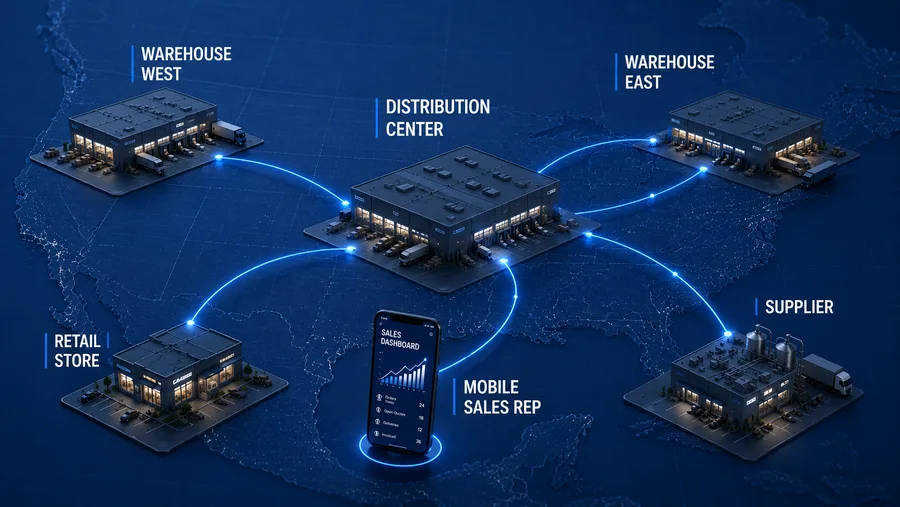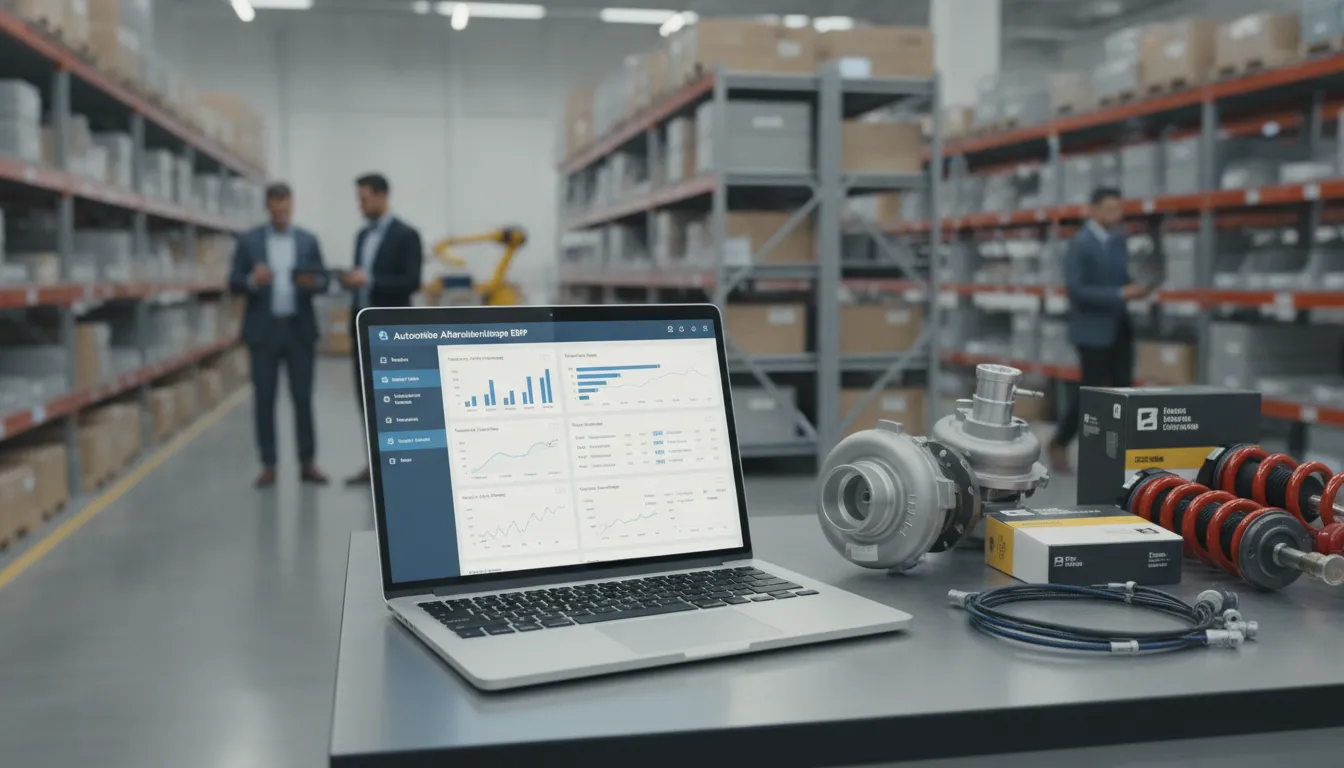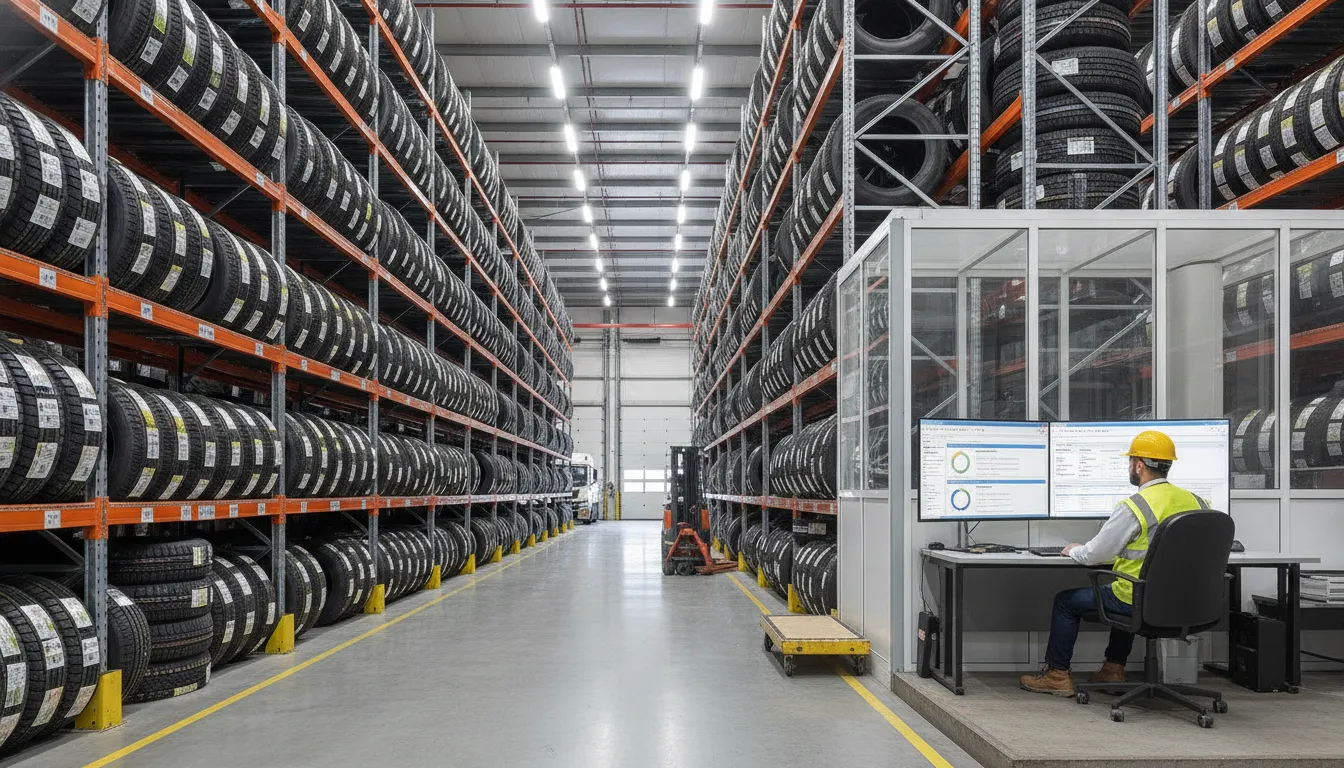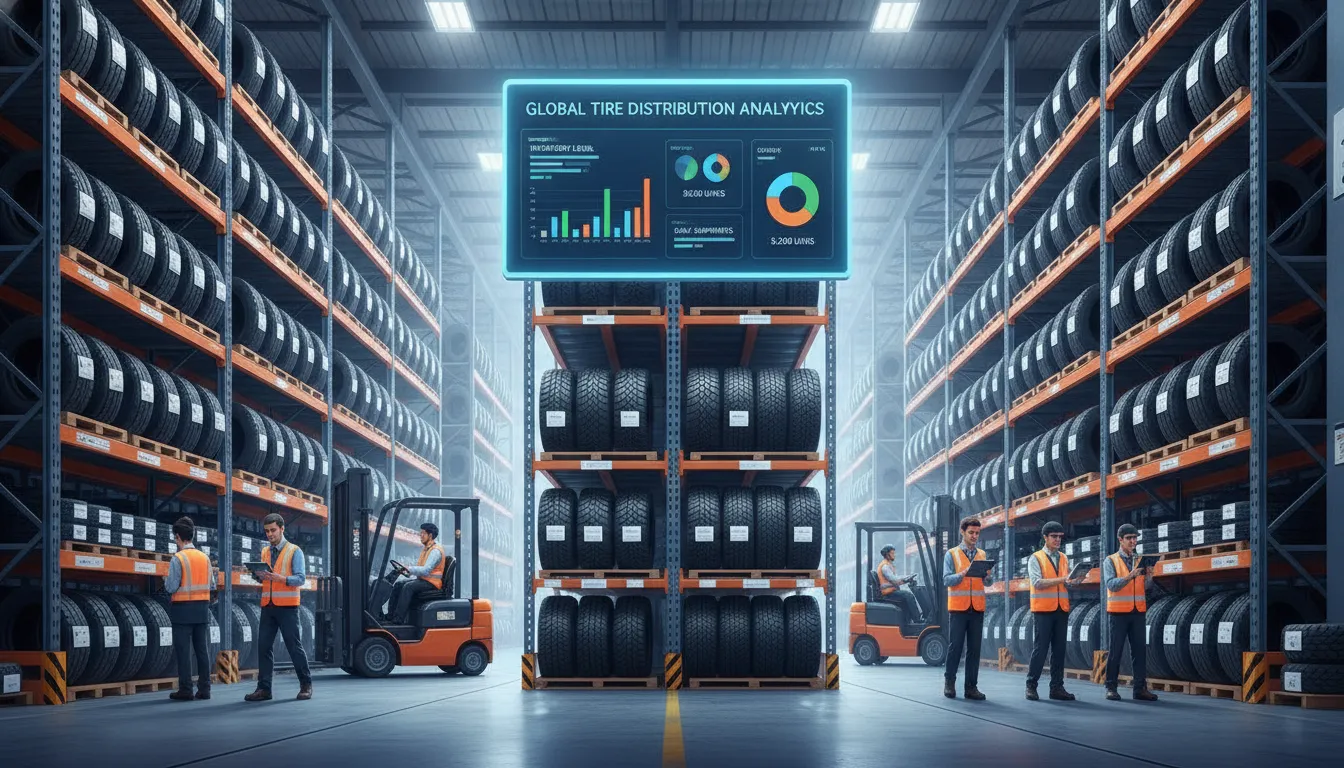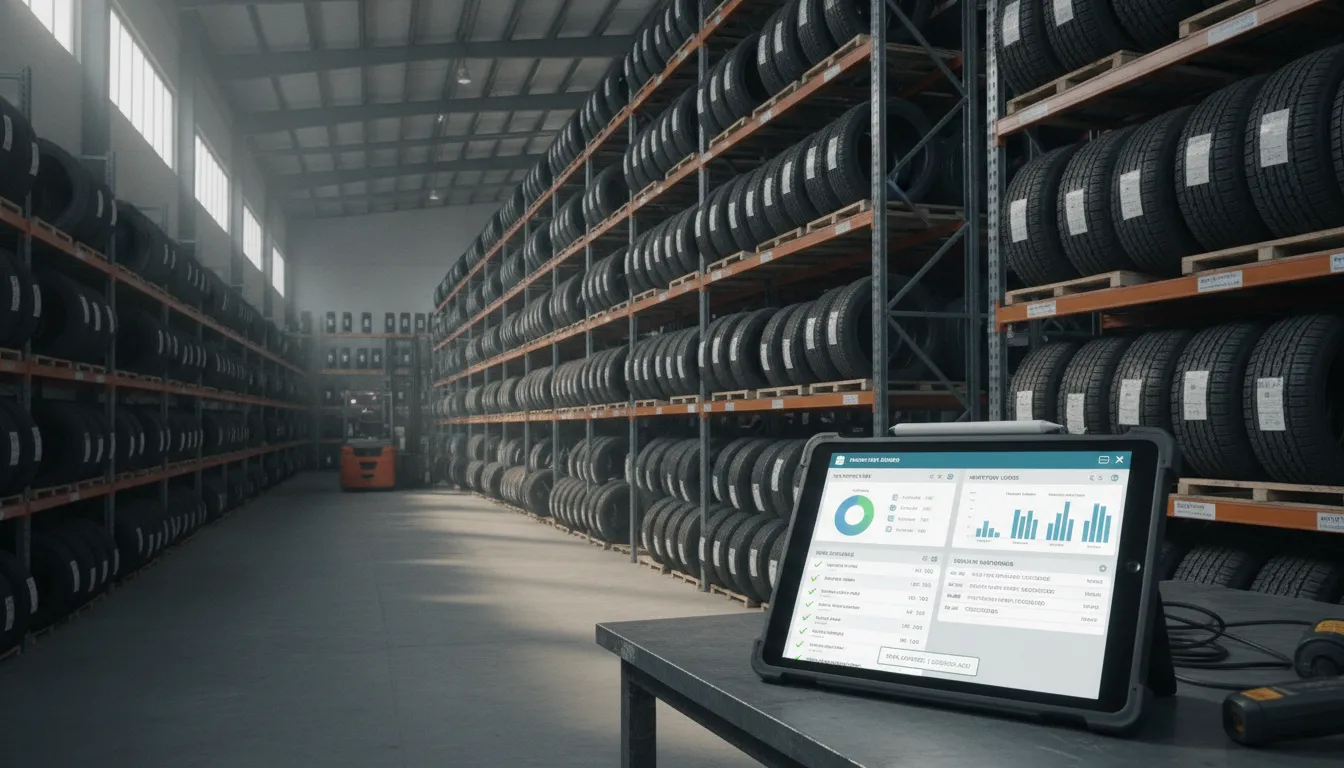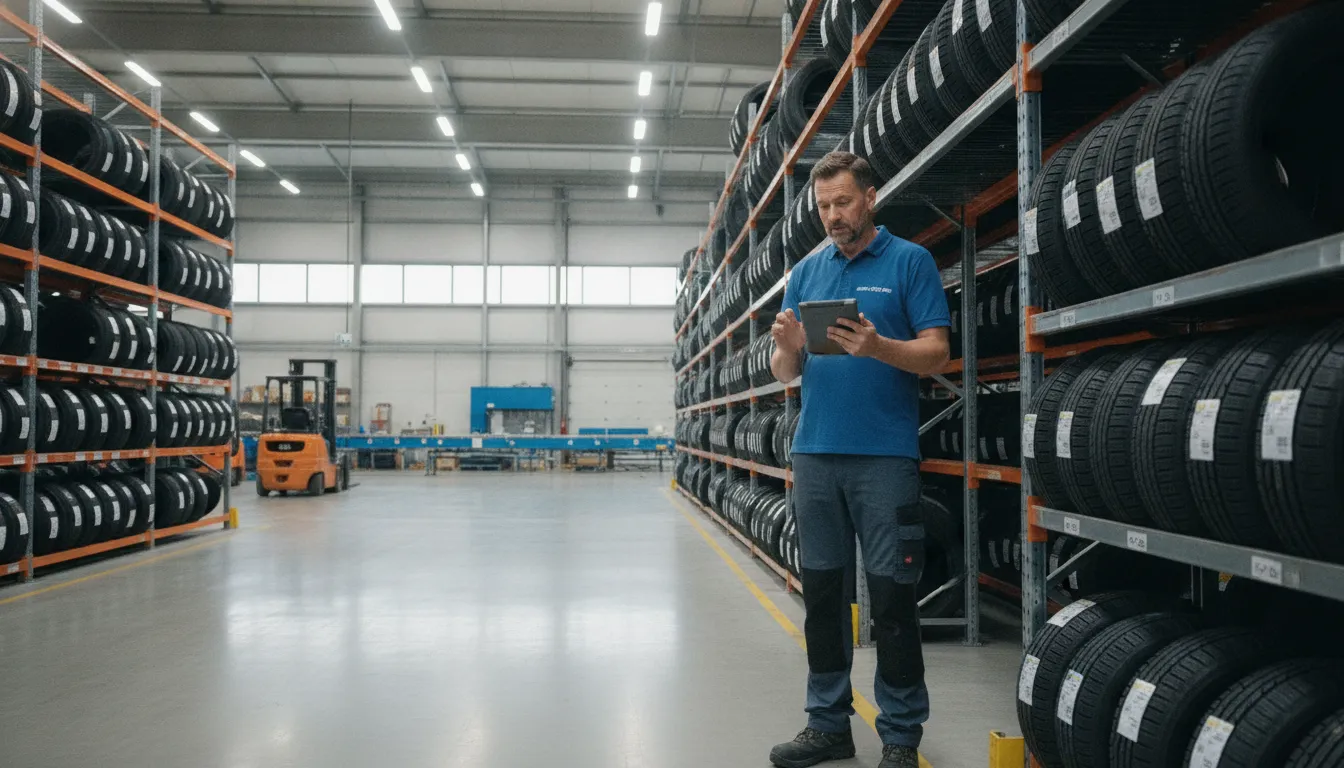

Wholesale distributors often manage purchasing, warehouse inventory, customer orders, deliveries, and returns across a wide range of products. When those activities live in separate systems or depend on manual updates. Small delays can create stock discrepancies and extra work for the people responsible for keeping orders moving.
Wholesale distribution erp software connects core distribution activities so teams can work from consistent information about products, suppliers, inventory, and orders. The right system should also fit the way a tire, automotive supply, or beauty supply distributor operates, rather than forcing every business into the same workflow. QBC Systems has served distributors since 1978 and provides vertical ERP options with implementation, training, support, and related technology services.
To evaluate whether an ERP platform is a practical fit, start with what the system actually coordinates and how that coordination supports daily distribution work.
What Is Wholesale Distribution ERP Software?
QBC Systems defines wholesale distribution ERP software as a connected business system that brings purchasing, inventory, sales orders, customer accounts, fulfillment, and financial information into one operational workflow. It is built for companies that buy, store, move, and sell products to other businesses, rather than manufacture those products themselves. The U.S. Bureau of Labor Statistics describes wholesale trade as selling merchandise generally without transformation, along with services incidental to that sale. That definition helps explain why distribution software must focus on movement, availability, and coordination.
In practical terms, the software gives a distributor one place to answer questions such as: What is available now? What has been ordered? Which supplier can replenish it? What does a customer typically buy? Which orders are ready to ship? Instead of forcing warehouse, purchasing, sales, and accounting staff to reconcile separate records, an ERP connects the information they use throughout the day.
That connected structure matters because distribution is a chain of dependent decisions. A purchasing choice affects inventory. Inventory affects order promises. Order timing affects warehouse work, shipping, invoicing, and cash collection. Research from Rochester Institute of Technology describes ERP platforms as essential for coordinating business processes from procurement through delivery. Read the ERP overview from RIT for additional context on that process connection.
What does wholesale distribution ERP software do?
A distributor's ERP should support the way products and information actually move through the business. It may manage stock levels, purchase orders, customer-specific pricing, sales orders, receiving, picking, shipping, invoicing, and reporting within a shared system. The exact features vary by industry and operation, but the goal is consistent: give staff reliable information at the point where they need to act.
- ERP software connects: Purchasing, inventory, sales orders, warehouse activity, customer records, shipping, and financial workflows so teams can work from coordinated information.
- Basic accounting usually covers: General ledger activity, accounts payable, accounts receivable, billing, payments, and financial reporting, but may not manage the operational detail behind each transaction.
- ERP software supports: Decisions about what to buy, where stock is located, what can be promised, and how an order moves from entry to delivery.
- Basic accounting usually records: The financial result of those activities after operational details have been entered or reconciled elsewhere.
Wholesale distribution ERP software is not simply accounting with extra screens. It is an operating system for the flow of products, orders, and decisions across a distribution business. For a broader explanation of how enterprise resource planning works, see QBC Systems' guide to what is ERP software. You can also review QBC's ERP software solutions to compare the types of operational support a distributor may need.
Why Wholesale Distributors Outgrow Generic Accounting Software
QBC Systems sees the difference between recording transactions and managing a distribution operation become clearer as a business grows. Generic accounting software may handle invoices, bills, payroll, and basic financial reporting. But it is not designed to coordinate the daily movement of inventory, orders, purchasing, receiving, and fulfillment.
That gap often stays hidden when one location serves a limited product range. It becomes harder to manage when a distributor adds warehouses, sales channels, product lines, or employees. A growing operation may be handling thousands of SKUs across multiple locations, each with different availability, replenishment needs, and customer commitments. One inventory-management reference identifies this combination of volume and location complexity as a primary challenge in wholesale distribution (source on inventory complexity in distribution).
Teams then build workarounds. A warehouse manager maintains a spreadsheet, sales checks a separate list before promising delivery, and accounting reconciles information after the order has shipped. These manual steps can keep the business moving. But they make it difficult to establish one dependable view of what is available, what is committed, and what needs attention.
Warning signs that your software no longer fits
- Multi-location inventory requires repeated manual updates or separate spreadsheets.
- Stockouts occur even though the system appears to show adequate inventory.
- Order errors increase because sales, purchasing, warehouse, and accounting use different information.
- Staff export data into disconnected spreadsheets to answer routine operational questions.
- Managers spend more time reconciling records than reviewing trends and making decisions.
These symptoms are not simply accounting problems. They point to disconnected operational information. Research on ERP implementation describes improved information transparency and more streamlined operational decision-making as important outcomes of bringing business processes together (ERP research on information transparency and decision-making).
A wholesale distribution ERP software platform connects the financial record to the work that creates it. Purchasing, receiving, inventory, sales orders, shipping, and customer history can be managed from related data instead of reconstructed after the fact. That gives an owner or operations manager a clearer basis for decisions about replenishment, staffing, order priorities, and service levels.
The right next step is not automatically buying the most complex system. It is documenting where information is being duplicated, delayed, or corrected, then comparing those gaps with practical ERP capabilities. QBC's best practices for your distribution business can help frame that review around the processes that matter most to day-to-day operations.
Key Features Wholesale Distribution ERP Software Should Deliver
QBC Systems designs distribution ERP around the handoffs that determine whether an order moves accurately from purchasing to delivery. The right system should give operations managers one dependable view of inventory, orders, suppliers, warehouses, and financial activity instead of forcing staff to reconcile disconnected tools. ERP platforms are widely used to coordinate business processes from procurement through delivery. Which is especially important when the business carries a broad catalog or serves customers through several channels.
Core capabilities should include:
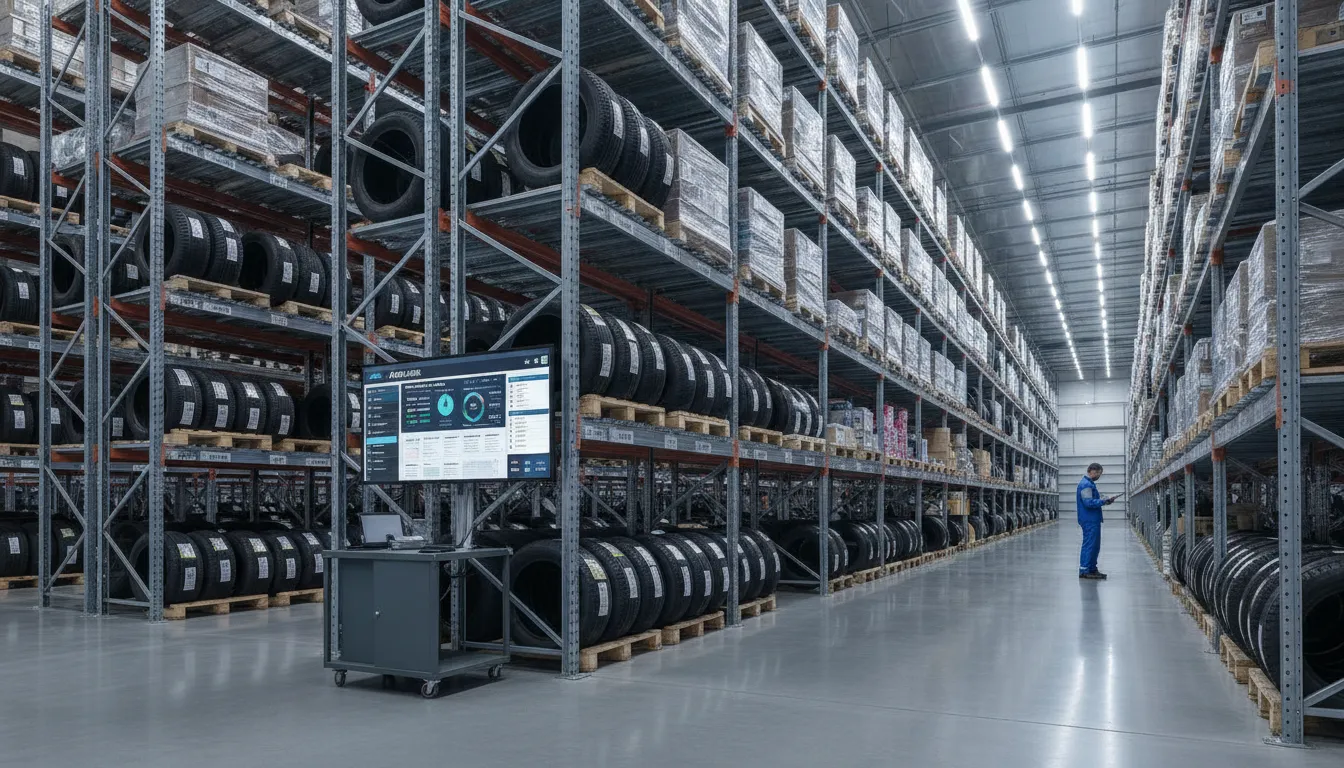
- Real-time inventory visibility: Show available, committed, incoming, and allocated stock so customer service and purchasing teams can make decisions from the same information.
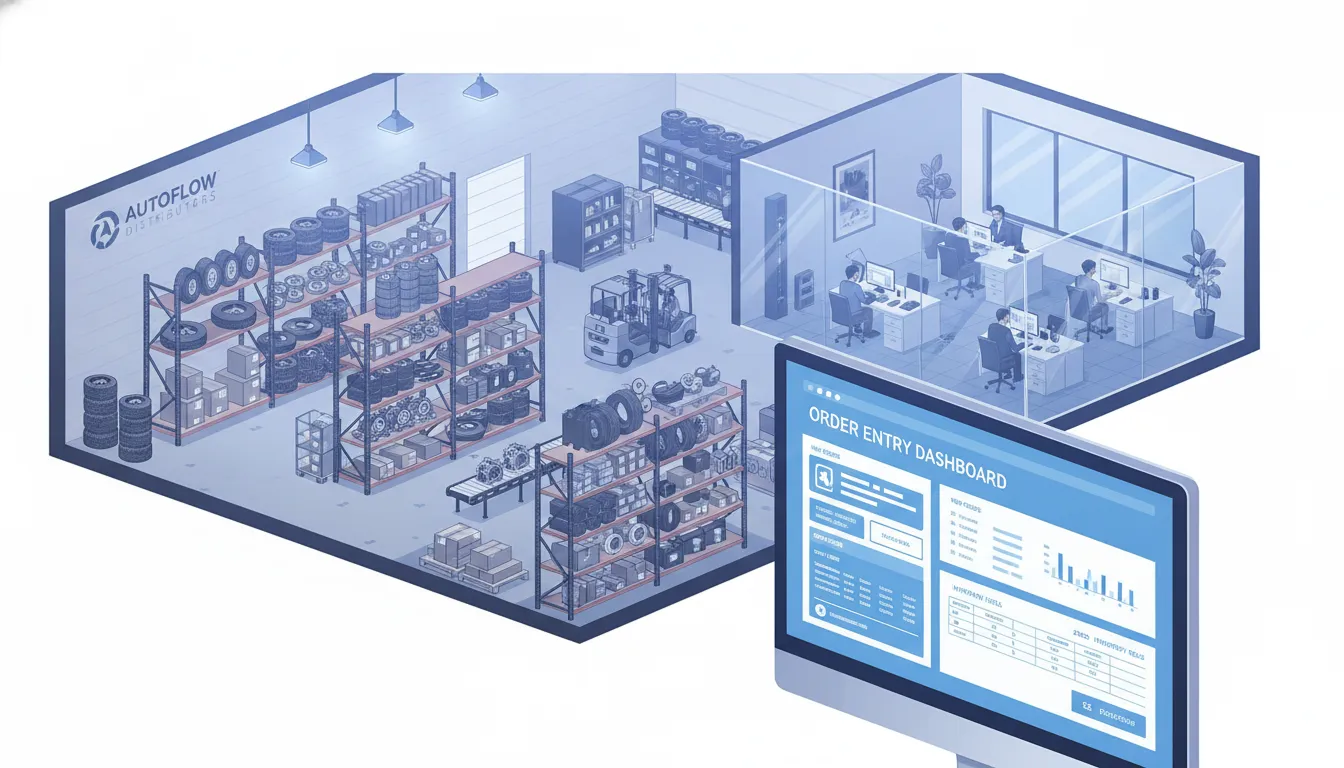
- Order management: Capture orders consistently, route them through fulfillment, and support accurate status updates from entry through shipment and invoicing.
- Purchasing and replenishment: Connect supplier orders to demand, receiving, inventory levels, and costs so buyers can replenish with better context.
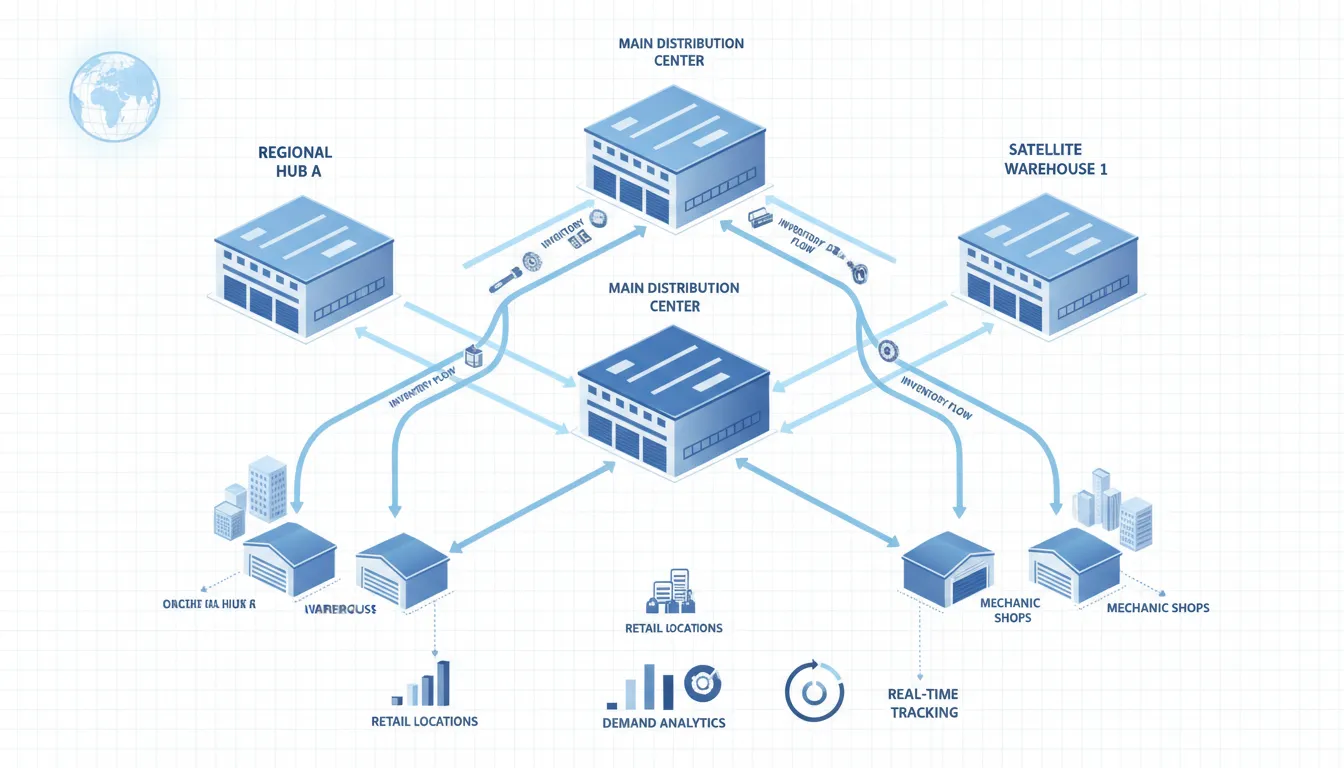
- Multi-warehouse control: Track stock by location and support transfers, availability checks, and fulfillment decisions across warehouses.
- Financial integration: Keep sales, purchasing, receivables, payables, and inventory value connected, reducing duplicate entry and reconciliation work.
- E-commerce and EDI integration: Bring online, electronic, phone, and counter orders into a coordinated workflow while keeping channel activity aligned with warehouse inventory.
Integrated multi-channel order processing matters because an order entered at a point-of-sale system should not create a second, conflicting picture of warehouse availability. Research on distribution ERP notes the value of synchronizing POS data with warehouse inventory, helping teams reduce avoidable overselling and fulfillment confusion. The same principle applies to online orders, EDI transactions. And orders entered by internal staff: each channel should feed the operational record rather than operate as a separate island.
Cloud deployment can add flexibility when a distributor needs e-commerce and real-time inventory working together across locations or channels. That does not make every cloud product a fit. Managers should still verify how the platform handles their units of measure, purchasing rules, customer-specific pricing, warehouse processes, and integrations. A useful overview of QBC Systems ERP software solutions can help frame those questions, while this guide to wholesale distribution ERP platforms provides a closer look at capabilities relevant to parts and automotive distribution.
The strongest system is not the one with the longest feature list. It is the one that connects the daily work of buyers, warehouse staff, sales teams, and finance without making employees maintain parallel records.
Vertical ERP vs. General-Purpose ERP for Distribution
QBC Systems approaches this decision from the distributor's daily work, where product units, ordering patterns, compliance requirements, and warehouse processes can vary sharply by industry. A general-purpose ERP may provide a broad foundation for accounting, purchasing, sales, and inventory. A vertical ERP starts with those same business needs, then adapts the workflows and data structure to a specific distribution environment.
That distinction matters when an operation handles specialized products or terminology. Vertical-specific ERP software can provide functionality tailored to industry compliance, inventory units, and supply chain demands. The right choice depends less on the number of features in a product brochure and more on how much translation. Customization, and manual work your team will need after implementation.
| Decision area | Vertical or specialized distribution ERP | General-purpose ERP |
|---|---|---|
| Industry-specific workflows | Built around the ordering, stocking, selling, and reporting patterns common to a defined distribution sector. | Provides broad workflows that may need configuration or workarounds for specialized operations. |
| Inventory units and product data | Can better reflect the units, attributes, product relationships, and terminology used by a particular vertical. | May support flexible fields, but the distributor often has to define and maintain the structure. |
| Onboarding and implementation | Industry familiarity can make process mapping and training more direct for warehouse and office teams. | Implementation may require more discovery to adapt a broad system to distribution-specific practices. |
| Customization cost | More of the required functionality may be available through the standard vertical design, reducing unnecessary custom work. | Custom configuration, integrations, or additional development may be needed to close operational gaps. |
| Support and practical guidance | A knowledgeable partner can discuss problems using the language and priorities of the industry. | Support is often organized around the software's general capabilities rather than one distribution niche. |
| Fit for tire, beauty, and general wholesalers | Specialized systems can align closely with tire and automotive, beauty, or broader wholesale distribution requirements. | Can be a reasonable fit when processes are relatively standard and the business has resources for adaptation. |
For example, a tire distributor should evaluate whether the system handles the product and sales workflows that make tire and automotive distribution distinct. A beauty wholesaler should look closely at product organization, customer ordering, and replenishment practices rather than assuming a generic inventory screen will be enough. QBC's wholesale distribution ERP platforms guide provides a practical feature lens for automotive operations, while its beauty distribution best practices resource covers the operational side of that vertical.
General-purpose ERP is not automatically the wrong choice. It may suit a wholesaler with simple processes, limited product variation, and an internal team prepared to configure the system. A vertical platform is usually worth closer consideration when the business wants the software to reflect established industry practices from the start. Instead of asking employees to reshape those practices around a generic tool.
How Wholesale Distribution ERP Software Improves Inventory and Order Management
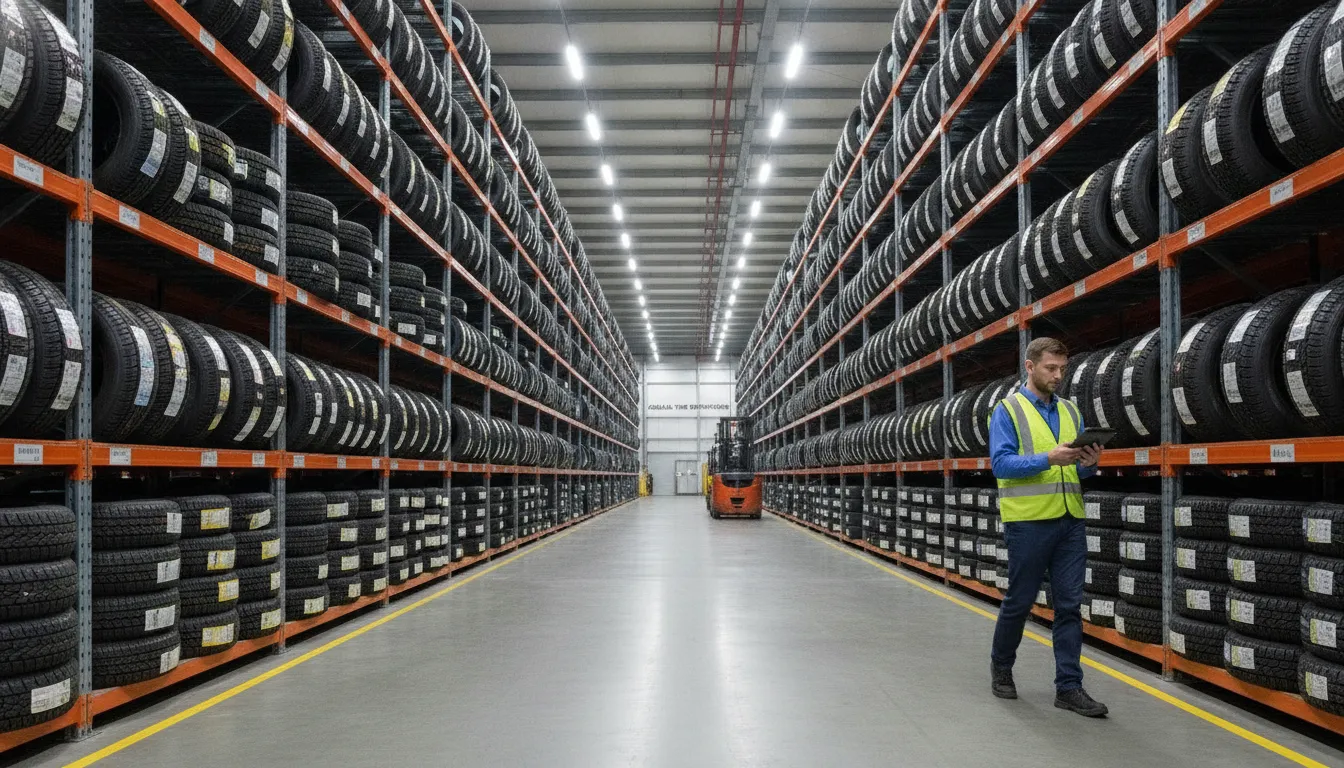
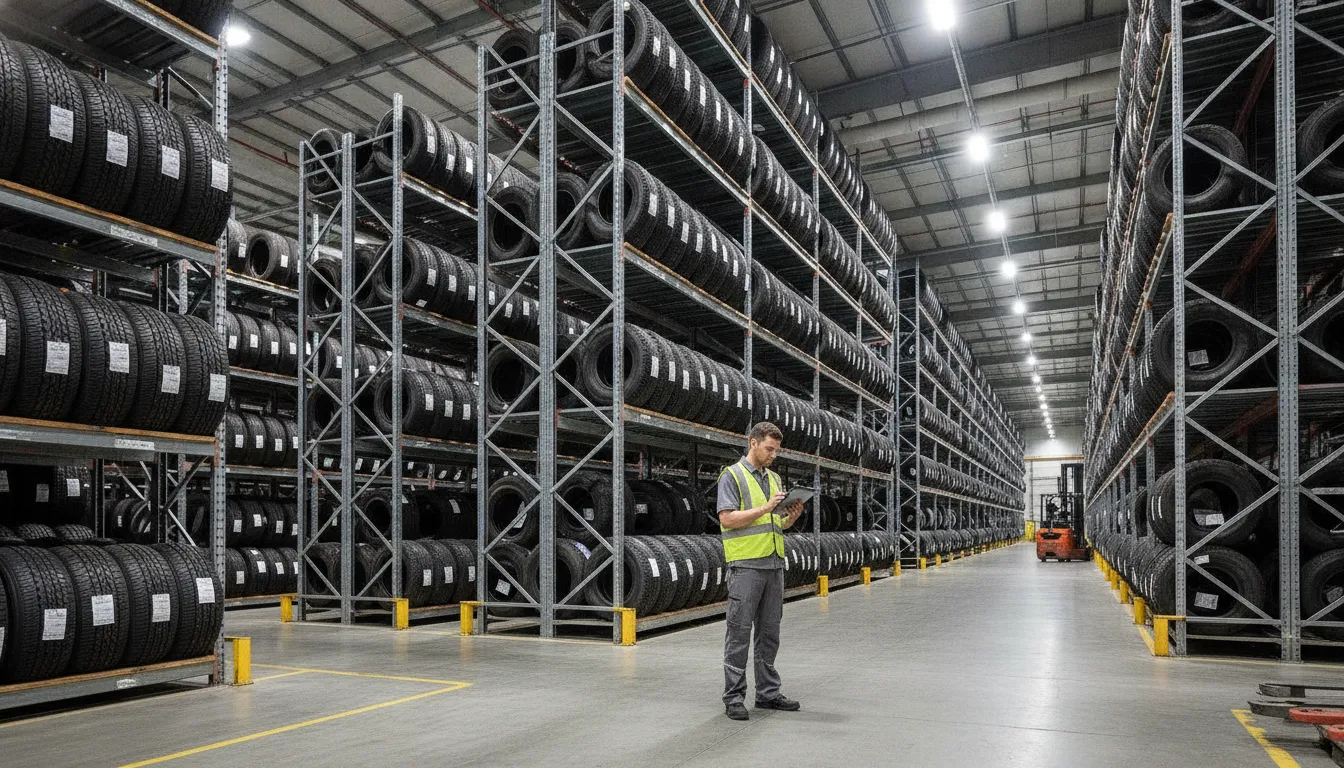
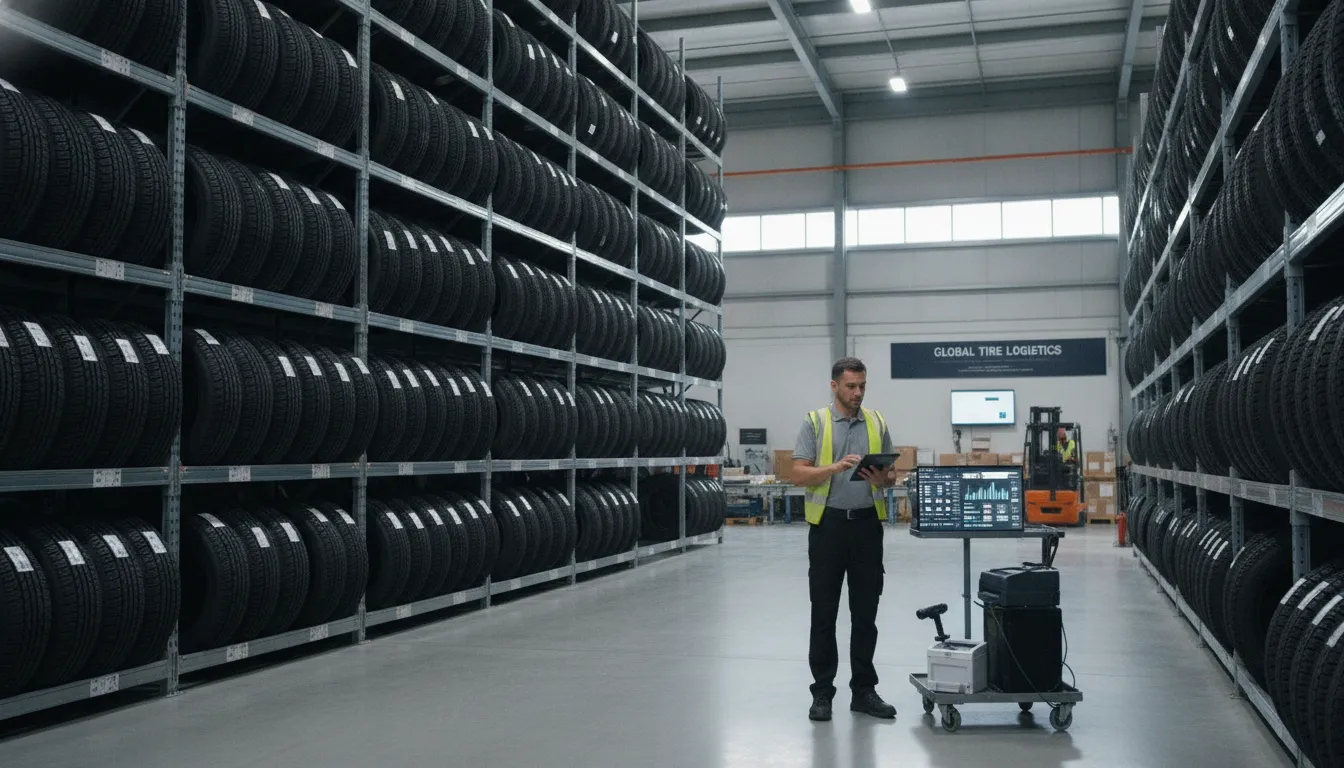
QBC Systems helps distributors connect inventory and order activity so warehouse teams can work from the same operational picture. That matters when a business carries thousands of SKUs across multiple locations, where a quantity change in one warehouse can affect purchasing, sales commitments, and customer service elsewhere. Instead of relying on disconnected spreadsheets or delayed updates, an integrated ERP gives staff a clearer view of what is available, what is reserved, and what needs attention.
Wholesale distribution ERP software brings purchasing, receiving, inventory records, sales orders, and fulfillment into a coordinated workflow. Research on wholesale distribution identifies complex inventory across multiple warehouses and thousands of SKUs as a primary management challenge. An ERP does not remove that complexity, but it makes the underlying information easier to use and act on.
More reliable inventory decisions
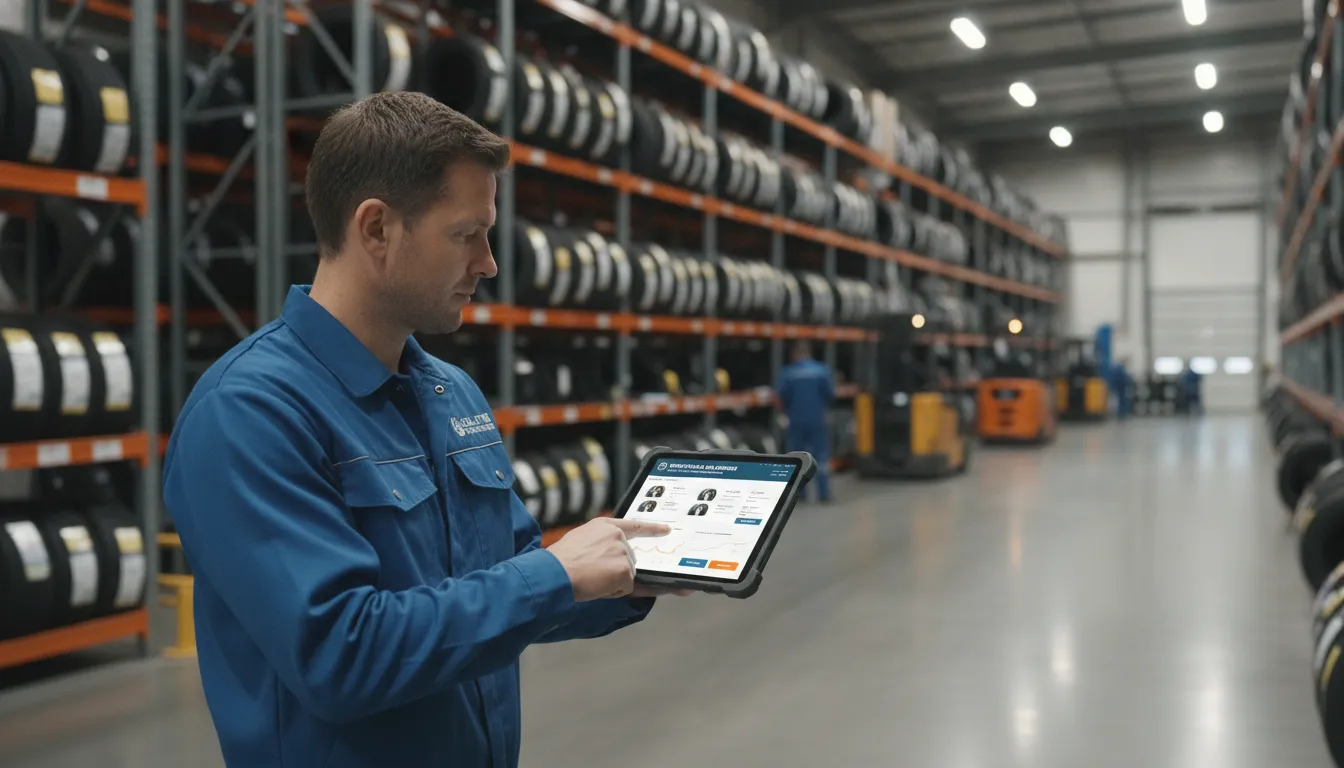
QBC Systems can support inventory decisions with current data from the transactions that move products through the business. Warehouse and purchasing managers can see stock by location, identify items moving faster than expected, and compare available quantities with open orders. This creates a practical foundation for reorder points and cycle-count routines. It also reduces the risk of treating an outdated inventory report as if it were a current commitment.
External market data can add context to those decisions. The U.S. Census Bureau's monthly wholesale trade reports track merchandise sales volume across sectors, while real-time ERP data shows what is happening inside a specific distributor. Used together, broader market signals and internal transaction data give managers a stronger basis for forecasting than either source alone. See the Census Bureau's monthly wholesale trade reports for the industry-level view.
- Fewer stockouts caused by incomplete or delayed inventory information.
- Automated reorder points based on defined operating rules.
- More accurate cycle counts and faster investigation of variances.
- Faster, more accurate order entry and fulfillment.
- Real-time visibility across multiple warehouses.
Fewer order handoff problems
QBC Systems also connects orders across the channels a distributor uses to sell. ERP systems can support integrated multi-channel order processing and synchronize point-of-sale activity with warehouse inventory, a particularly important requirement for automotive and tire distribution. When an order enters the workflow, sales and warehouse staff are less likely to work from conflicting records. Customers receive clearer availability information, and teams spend less time correcting avoidable entry or allocation errors.
The right system should fit the way your organization buys, stores, sells, and ships products. When evaluating options, use this choosing wholesale distribution ERP software guide to focus on workflow fit, inventory visibility, and support requirements rather than a long list of disconnected features.
How to Choose the Right Wholesale Distribution ERP Software
QBC Systems recommends starting with the work your team must control every day, not with a feature checklist copied from a vendor website. The right platform should make information easier to trust, connect the steps from purchasing through delivery, and support the way your operation actually sells, stores, and ships products. Use the following process to compare systems before committing your team to a major change.
- Assess your current workflows. Map how orders enter the business, how purchasing decisions are made, how inventory moves between locations, and where staff re-key information. Include warehouse, sales, purchasing, accounting, and management users. Document the workarounds that consume time or create uncertainty. ERP implementation is more likely to improve decisions when the business first understands where information is incomplete or delayed. Research on ERP implementation connects these systems with improved information transparency and more streamlined operational decision-making, but the benefit depends on addressing real process gaps. Review the supporting research on ERP visibility and decision-making.
- Confirm vertical fit. Ask whether the software understands your products, units of measure, customer types, and distribution workflows without forcing extensive customization. A tire distributor, beauty wholesaler, and general-line distributor may all need inventory and order management, but their daily requirements are not identical. Request demonstrations using realistic examples from your operation, rather than accepting a generic presentation.
- Check inventory and order capabilities. Verify that the system can provide dependable stock information across warehouses, manage purchasing and receiving, and keep orders moving across the channels you use. This matters when inventory includes large numbers of SKUs or spans multiple locations. If e-commerce is part of your sales process, ask how the platform connects online orders with real-time inventory. Cloud ERP can integrate e-commerce and real-time inventory more flexibly than traditional on-premise setups, according to the supplied research. Use this guide to compare distribution ERP capabilities.
- Evaluate implementation and support. Identify who will configure the system, migrate data, train employees, and answer questions after launch. Ask what happens when a workflow does not fit the standard setup. A capable support plan should include practical training for the people using the system, not only technical documentation for administrators.
- Plan for scalability. Consider additional warehouses, product lines, sales channels, users, and reporting needs you may add over time. The best choice should support growth without requiring a complete replacement when the operation becomes more complex.
- Review total cost of ownership. Compare implementation, training, support, hardware, integrations, data conversion, and ongoing administration, not just the software line item. Then weigh those costs against the operational problems the system is expected to solve. A clear comparison with the right software provider should leave your team able to explain both the investment and the expected business outcome. Learn how to evaluate a software provider.
This approach keeps the decision grounded in measurable operational needs. It also gives warehouse and management teams a common set of questions for evaluating demonstrations and identifying gaps before implementation begins.
How QBC Systems Supports Wholesale Distributors Across Verticals
QBC Systems supports small to mid-sized wholesale distributors with purpose-built ERP software and the practical services needed to put it to work. Serving distributors since 1978, QBC Systems works with companies across North America that need better control of inventory. Purchasing, sales, and fulfillment without forcing their operations into a generic template.
That industry focus is reflected in three ERP product lines:
- TireServ: ERP software for tire and automotive supply distributors, with workflows aligned to the products, customers, and daily demands of that market. Learn more about the benefits of specialized tire ERP software.
- BeautyServ: A beauty wholesale ERP built for distributors managing hair products, cosmetics, and related inventory. BeautyServ includes more than 190 features designed around beauty distribution operations. These hair product distribution best practices provide additional context for organizing this type of business.
- ShadowERP: ERP software for general wholesale distribution, helping companies manage core distribution processes across a broader range of products and customers. Review the ShadowERP solution to see where it fits.
Built for the realities of mid-market distribution
Each QBC Systems ERP is built on MySQL and accessed through a web browser, so users do not need a local software installation on every workstation. That browser-based approach can make it easier for teams in offices, warehouses. And other locations to work from the same system while keeping the focus on daily operations rather than maintaining separate local installations.
QBC Systems primarily serves distributors with approximately $5 million to $25 million in revenue and 10 to 100 employees. The size range matters because these businesses often have complex operational needs, but may not have the time or internal resources to coordinate a large, disconnected technology project. A vertical system gives managers a foundation that reflects how their teams actually buy, store, sell, and deliver products.
Software and services from one experienced partner
QBC Systems does more than provide ERP software. Its full-service model includes implementation, training, technical support, hardware, networking, data center solutions, and managed IT services. That gives a distributor one experienced partner to consult when the challenge involves software, infrastructure, user adoption, or ongoing support.
The right product depends on the products a distributor handles and the processes it needs to improve. A tire distributor may need a different operational fit than a beauty wholesaler or a general merchandise distributor. By separating those vertical needs across TireServ, BeautyServ, and ShadowERP. QBC Systems gives each business a more relevant starting point while still providing the broader implementation and technology support needed for long-term use.
Frequently Asked Questions
What is wholesale distribution ERP software?
QBC Systems describes wholesale distribution ERP software as a connected platform for coordinating purchasing, inventory, sales orders, warehouse activity, customer records, and financial operations. Instead of passing information between separate systems, a distributor can manage the flow from procurement through delivery in one operational record.
Why do wholesale distributors need specialized ERP software?
QBC Systems builds for distributors because their work involves product-specific units, warehouse processes, replenishment decisions, and customer requirements that a basic accounting system may not handle well. A specialized platform can reflect the way a distribution team receives, stores, sells, and ships goods, reducing workarounds and improving visibility across operations.
Which features should a wholesale distribution ERP platform include?
QBC Systems recommends evaluating inventory tracking, purchasing, order entry, warehouse coordination, customer management, reporting, and financial integration. Multi-channel order processing is also important when sales activity must stay synchronized with warehouse inventory, especially for distributors serving retail, commercial, and online buyers.
How can ERP software improve inventory management?
QBC Systems uses ERP to give teams a shared view of inventory movement, open orders, purchasing needs, and warehouse activity. That visibility helps managers make more informed replenishment and fulfillment decisions across locations, rather than relying on disconnected spreadsheets or delayed updates. The right system should also support the product units and workflows your business actually uses.
How should I choose an ERP platform for my wholesale business?
QBC Systems recommends starting with your daily operating requirements, including product complexity, warehouse structure, order channels, integrations, reporting needs, implementation support, and future growth. Ask each provider to demonstrate those workflows with realistic examples from your business, then assess whether the vendor offers the training and ongoing technical support needed after implementation.
Schedule a Wholesale Distribution ERP Demonstration
QBC Systems can help you assess how a wholesale distribution ERP platform may fit your tire, automotive, or beauty supply operation. A demonstration gives your team a practical way to discuss workflows, inventory needs, order management, and the differences between TireServ, BeautyServ, and ShadowERP.