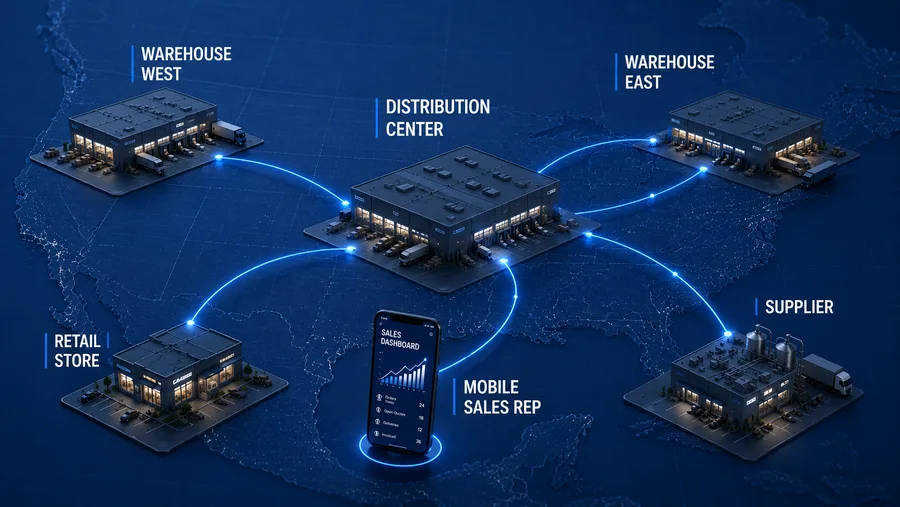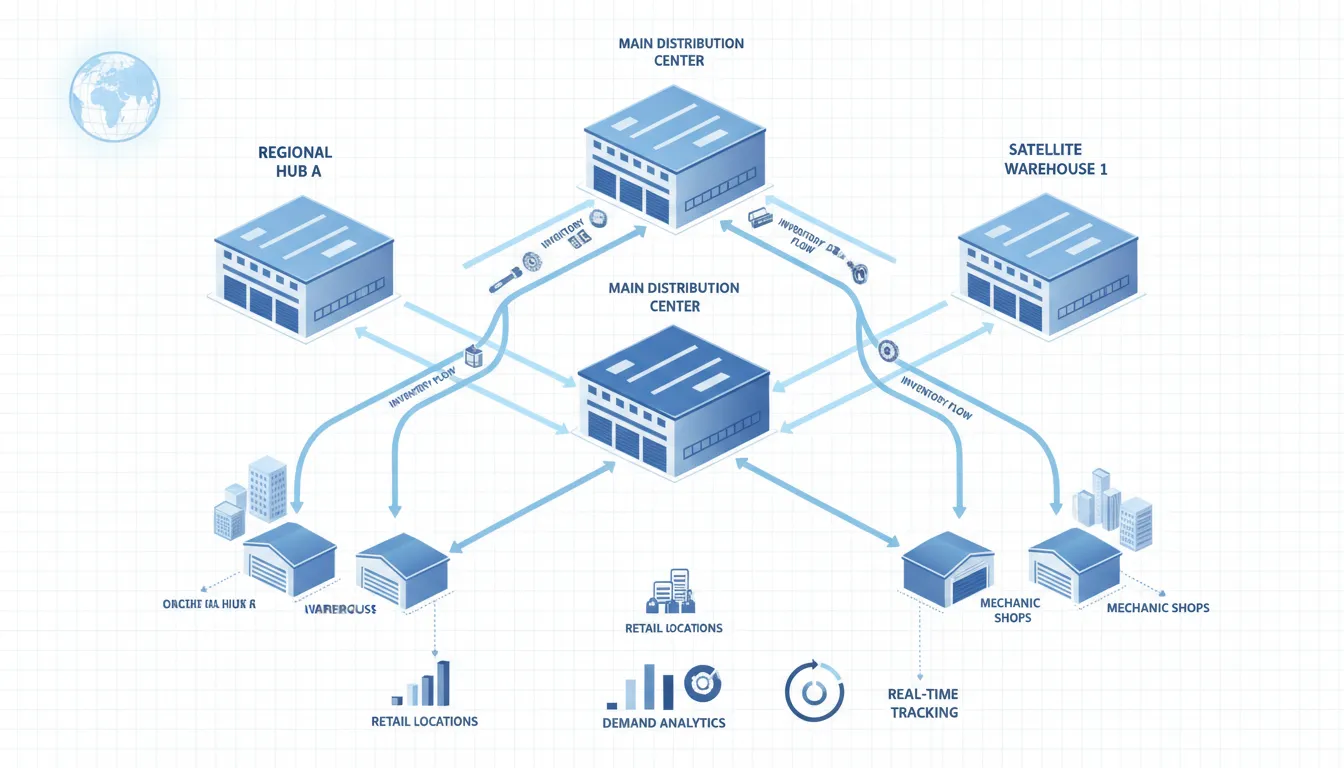

Beauty distributors serving schools and educators manage more than ordinary customer orders. They must coordinate account relationships, program-specific products, bundled kits, discount rules, and changing inventory across warehouse and sales workflows. QBC Systems has served wholesale and retail distributors since 1978, with BeautyServ built for the operational realities of beauty supply distribution.
Educator and kit management for beauty distributors brings school and educator accounts, bundled product requirements, customer-specific pricing, and inventory visibility into one coordinated workflow. BeautyServ supports kit and assembly management, school or educator discounts, and distributor-focused order operations, while each business should confirm account assignment and inventory processes during evaluation.
Contact QBC Systems for a Demonstration
The right approach starts by defining what the educator program actually requires, then connecting those requirements to account structure, kit components, pricing, and availability. That distinction matters because educator programs have needs that broad kit management alone does not address.
What Is Educator and Kit Management for Beauty Distributors?
QBC Systems uses a distribution-focused approach to connect the people, products, and account rules behind beauty education programs. Educator and kit management for beauty distributors is the combined workflow for serving schools, instructors, educators, and the students or professionals they support. It brings account information, kit-related orders, product availability, and applicable school or educator discounts into the same operational conversation.
The educator side is more than a list of contacts. A distributor may need to understand which school or program an educator represents, what products or kits support a course, how orders should be handled, and which customer-specific terms apply. Those details affect sales, purchasing, warehouse fulfillment, invoicing, and customer service. The goal is not to treat every education order as a standard salon or stylist transaction.
The kit side connects that account context to the products being supplied. A kit may include multiple items that must be reviewed together, while availability can affect how a distributor communicates with a school or educator. The workflow should help teams ask practical questions about the kit structure, component availability, order timing, and any approved alternatives without assuming that every kit follows the same process.
Who benefits from this workflow?
This approach is designed for business owners, operations managers, sales teams, warehouse staff, and inventory managers at beauty supply wholesalers. It is especially relevant when a distributor serves school and educator customers alongside salons and individual stylists. BeautyServ is built for beauty supply distributors and wholesalers, with documented support for school or educator product and invoicing discounts, kit and assembly management, and customer account workflows. Learn more about BeautyServ ERP for beauty supply distributors.
This is distinct from a broad kit-management process. A general kit guide may focus on assembling bundles, tracking components, and handling kit pricing. An educator-focused workflow starts with the program and account relationship, then connects those needs to kits, orders, pricing, and inventory. That boundary helps a distributor evaluate the right operational questions without claiming that the software automatically assigns educators or manages every training-program decision.
How Educator and Kit Management for Beauty Distributors Supports Training Programs
QBC Systems helps beauty supply distributors think through training programs as an operating workflow, not just a series of product orders. A school or educator account may need its own purchasing rules, contacts, order history, and follow-up, while individual stylists may still need to be tracked beneath a salon master account. BeautyServ documents support for that master-account structure, individual stylist tracking, and product and invoicing discounts for schools or educators. The practical process is to connect those account relationships to each program without assuming that every desired assignment step is automated.
- Plan the program and its requirements. Start by documenting the school, educator, course or class, expected order timing, kit or product needs, and the staff member responsible for the relationship. Training programs can change by curriculum, class cycle, or educator preference, so operations and warehouse teams should agree on what must be ordered, when it must be available, and how exceptions will be handled. This planning step creates a usable operating brief before anyone builds account records or releases an order.
- Define account ownership and relationships. Decide whether the school is the primary account, whether an educator has a separate account, and how individual stylists or other participants should be associated with the customer. BeautyServ's Master Account System is documented for salons with individual stylist tracking, which gives distributors a relevant structure to review when managing related contacts and purchasing activity. However, the available documentation does not verify automatic educator-to-school assignment. Ask during implementation or a demonstration how account ownership, permissions, and assignment changes would be handled in your specific workflow.
- Coordinate kits, orders, and account rules. Tie the program's order requirements to the correct school or educator account before picking and invoicing. BeautyServ supports kit and assembly management, as well as product and invoicing discounts for schools or educators. Confirm how your team would identify the applicable account, discount rule, kit configuration, and fulfillment instructions for each program. This reduces the risk of treating an educator order like a standard stylist purchase or applying a school rule to the wrong customer.
- Review follow-up and improve the handoff. After delivery or training, review order history, open issues, educator feedback, and the next expected program activity. Assign a clear owner for follow-up, then confirm that sales, customer service, and warehouse staff can see the information they need. QBC provides implementation and training alongside its ERP products, so include those services in the evaluation. Ask how the system and team would support account changes, recurring program reviews, and reporting without claiming a specific educator-assignment feature that has not been verified.
For the account side of this workflow, review BeautyServ stylist account management alongside your school and educator requirements. The goal is a structure that preserves account-level context while keeping each training program's orders and follow-up accountable.
Managing Product Kits, Bundled Orders, and Kit Inventory
QBC Systems supports beauty distributors that need to connect educator programs with the physical work of building, selling, and fulfilling kits. A school order may involve a pre-assembled student kit, a related kit for a specific course, or a bundle assembled from individual products. The operational question is not only what belongs in the kit. It is how the distributor confirms component availability, handles an approved substitution, and gives the warehouse clear instructions for the order.
BeautyServ includes kit and assembly management for pre-assembled and related kits. That gives teams a way to define the relationship between a sellable kit and its component items while keeping the educator or school account at the center of the order workflow. For broader guidance on kit structures, assembly, and component inventory, see the broader beauty supply kit management guide.

Start with the program, then define the kit
Educator programs often change by course, class, or training cycle. One program may need tools and products together, while another may need only a related set of replenishable items. Before building a kit record, the distributor should document which products are required, which are optional, and which items can be replaced when supply changes. This avoids treating every bundle as a permanent, identical package.
Availability should be checked at the component level, not only against the kit name. If one item is short, the team can identify the affected order and decide whether to wait, split the fulfillment, or confirm a suitable substitute with the school or educator. Those are operating decisions to define during implementation. The system should not be assumed to reserve inventory or automatically assign a substitute unless that behavior has been specifically confirmed.
Keep packing and unpacking questions visible
Warehouse staff also need a consistent answer to practical questions: Is this kit shipped as a completed unit? Should components be picked separately? Does the order need to be unpacked for a change or return? How should a replacement component be recorded? Establishing these handoffs helps sales, inventory, and fulfillment teams work from the same kit definition. QBC provides implementation and training alongside its ERP products, which can help the distributor document these rules before educator orders reach the warehouse.
How ERP Handles Educator Discount Tiers Separately from Stylist Accounts
QBC Systems documents BeautyServ features for product and invoicing discounts for schools or educators. These features give distributors a way to treat education business as its own account category. That distinction matters when a school orders recurring supplies, an educator requests products for instruction, or a distributor needs to review how pricing is applied to a defined customer relationship.
Educator pricing should be based on the customer and the product line, not applied as an informal adjustment at order entry. A distributor may need separate rules for school accounts, individual educators, and other wholesale customers. BeautyServ materials describe customer and product-line pricing, while the exact structure of an educator program still needs to be defined during implementation. Ask which products qualify, which account owns the order, how invoicing discounts are recorded, and how the pricing rules are reviewed.
A structured pricing arrangement gives the sales and warehouse teams a shared reference point. Instead of relying on notes, staff can work from the pricing rules associated with the relevant customer and product line. Read more about matrix pricing for beauty distributors when evaluating how those rules should be organized. Avoid publishing exact discount tiers or percentages until QBC and the distributor have confirmed the commercial policy.
Why educator accounts should stay separate from stylist tracking
Salon master accounts and individual stylist tracking serve a different operational purpose. A salon may need transactions, orders, inventory activity, or service history associated with individual stylists while billing remains connected to the master account. Education accounts, by contrast, are usually evaluated around school or educator purchasing, instructional use, invoicing, and rebate terms. Combining the two can make it harder to identify who qualifies for a discount and why an adjustment was applied.
Use the BeautyServ account management features to review the salon and stylist workflow separately from the educator workflow. Then define account ownership, approval responsibilities, product eligibility, and rebate review for schools and educators. Keeping those rules distinct helps sales, finance, and warehouse staff apply the right terms without assuming that a stylist-level record should inherit an educator discount.
What Inventory Visibility Should Educator and Kit Management Include?
QBC Systems approaches inventory visibility as an operating question, not just a field on an item record. For beauty distributors supporting schools, educators, salons, and stylists, the evaluation should connect product availability, branch activity, kit components, and order handling without assuming that every location follows the same process.
Start by asking how quickly inventory information changes after an order, receipt, adjustment, or transfer. BeautyServ materials describe online real-time updating and batch updating for branches. Confirm how those options fit your warehouse structure, branch schedules, and customer-service workflow. The goal is to provide evidence your team can use when an educator asks whether a kit component or product is available, not a vague promise of visibility.
| Workflow need | Useful evidence | Questions to confirm |
|---|---|---|
| Online inventory updates | Documented real-time updating for online operations. | Which transactions update immediately, and how is the result presented to order-entry staff? |
| Branch operations | Branch-level inventory updating should be confirmed for the specific operation. | Does the workflow support the branch update schedule, review, and reconciliation your team needs? |
| Item identification | QicScan supports lookup by manufacturer and product type. | Can warehouse and sales teams find the correct item when an educator uses a manufacturer or product description? |
| Kit availability | Kit and assembly management is documented, while component availability needs confirmation. | How does the system show component status, substitutions, and exceptions before a kit order is promised? |
| Implementation and training | QBC provides implementation and training alongside its ERP products. | Who defines branch procedures, trains users, and validates the workflow before launch? |
Use the demonstration to follow a real scenario from item lookup through availability review and order processing. Ask to see how a branch workflow differs from an online transaction, then discuss what staff members need to learn. QicScan item lookup by manufacturer and product type may be especially useful when product names vary across school lists or educator requests.
For broader evaluation criteria, review beauty wholesale inventory visibility, cosmetics distributor inventory control, the beauty supply wholesale software guide, and this guide to ERP for beauty supply wholesalers. Each can help your team turn a software demonstration into a structured operational review.
Schedule a Demonstration with QBC Systems.
Frequently Asked Questions
What does educator and kit management include for a beauty distributor?
It connects school and educator customer records with the products, kits, pricing rules, order workflows, and inventory information those programs require. A practical workflow may include educator or school accounts, kit and assembly management, customer-specific pricing, order review, and coordination between sales, warehouse, and training teams. The exact process should reflect how your organization handles each program.
How do educator programs relate to product kits?
Educator programs often use defined product groupings for classes, demonstrations, or student needs, but the kit contents and ordering process can vary by customer. A distributor should confirm how kits are defined, how component availability is reviewed, and how changes are handled before promising a substitute or a complete bundle. Kit management and educator-account workflows should connect without assuming that inventory is automatically reserved.
Should educator discounts be separate from stylist pricing?
Usually, they should be reviewed as distinct account rules because schools and educators may purchase for different purposes than individual stylists. BeautyServ documentation supports product and invoicing discounts for schools or educators, along with customer- and product-line-specific pricing. During setup, confirm which accounts, products, and approval rules apply rather than assuming a fixed discount tier.
What should distributors confirm in a BeautyServ demonstration?
Ask the QBC Systems team to walk through your actual educator account structure, kit definitions, customer and product-line pricing, order workflow, and inventory questions. Confirm how online updates and branch batch updates fit your operation, whether QicScan item lookup supports your team, and what implementation and training will cover. Also ask which steps require your staff to review or approve an account, price, kit, or substitution.