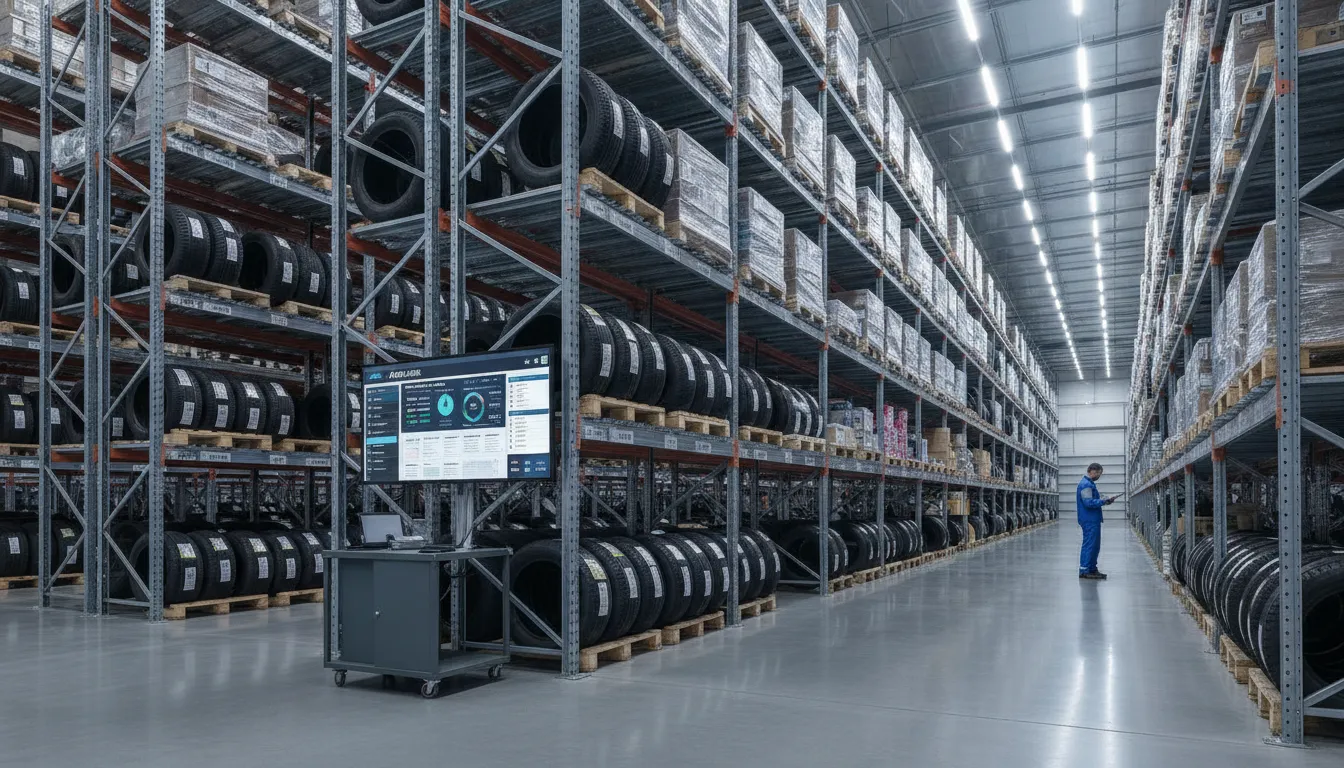
Correct parts tracking is the gap between a good shipment and a costly return. Since 1978, QBC Systems has helped distributors manage these data points to keep warehouse work running well. Our auto parts distribution erp helps your staff find the right parts for any car in seconds.
An auto parts distribution erp is a software system that brings stock, sales, and warehouse work into one place. Unlike basic tools, these systems handle the specific needs of the car parts world, like fitment data and core charges. By grouping data from many branches, the software makes sure that stock counts stay right and orders ship fast. This tool helps distributors manage thousands of unique parts while cutting down on order mistakes. Good ERP platforms also help with parts supersessions, ensuring you always sell the most current version of a part. These systems also show real-time stock levels, so your team can give fast answers to shops and buyers. Using this specific tool lets a parts business grow without the stress of manual data entry or old software.
Learning how these systems work is the first step to better warehouse output. To find the right fit for your shop, you must first ask: What Is ERP for Auto Parts Distribution? The path to a better workflow begins with this question.
What Is ERP for Auto Parts Distribution?
Enterprise Resource Planning (ERP) for auto parts distribution is a tool that links every part of your business. It combines sales, stock, and finance into one system. This helps shops manage thousands of parts and track complex fitment data. A specialized ERP ensures you have the right parts in stock to meet buyer needs. Since 1978, QBC Systems has provided these tools to help shops grow and get set up for success.
Schedule a free consultation to see how an ERP can help your shop.
One Hub for Your Whole Team
An auto parts distribution ERP acts as the brain of your shop. It pulls data from your sales desk and warehouse into one hub. Instead of using many tools, your staff works in a single system. This tracks point of sale (POS) tasks and customer history in real time. It also helps your team manage buys from vendors and keeps your books clean. When all your data is in one spot, you stop making errors. You can see exactly how much stock you have across many bins or warehouses. This clear view helps you plan better and sell more. A good system should include:
- Real-time inventory tracking for all sites
- Integrated POS and sales order tools
- Vendor management and automated buying
- Full accounting with AP and AR modules
- Over 150 special reports for business health
Handling Complex Fitment and SKU Data
Auto parts are hard to manage because they have many details. One part may only fit a specific car model from a certain year. This is known as fitment data, and it is vital for your success. Most shops must track thousands of SKUs with these complex rules. If you get the fitment wrong, you face high return rates and lost trust. A dedicated tool like TireServ ERP for automotive supply is built to handle this. It keeps track of which parts fit which cars so your team can give fast answers. It also tracks part supersessions. This means the system knows when a new part number replaces an old one. This logic helps you guide buyers to the right items every time.
The Risks of Using Generic Software
Some shops try to save money by using basic accounting tools or generic ERPs. However, generic systems often fail because they lack automotive logic. They do not understand core charges, which are common in the parts trade. They also cannot track part interchanges or fitment rules. Without these features, your team must do too much work by hand. This leads to slow service and mistakes in the warehouse. If you need a broad tool that still offers great power, consider the ShadowERP wholesale distribution platform. It provides a better path for shops that have outgrown basic tools but still need expert help. By choosing a system that fits your trade, you can spend less time on paperwork and more time on sales.
What Features Should an Auto Parts Distribution ERP Include?
Running an auto parts shop needs tools that handle lots of data. Selling parts means tracking many items with unique fitment needs. A focused auto parts distribution ERP helps you manage these details without extra work. Schedule a free consultation to see how a purpose-built system can help your warehouse today.
Multi-warehouse inventory and restocking
Most auto parts businesses run across several sites. You need to see stock levels at every shop right now to fill orders fast. A strong system like TireServ ERP for automotive supply gives you a clear view of all your sites. This helps you move parts between stores and avoid lost sales. Barcode tools also make it easy to track stock and improve how you store parts.
Automated restocking is another key tool for busy warehouses. The system should use smart logic to track what sells and when to reorder. This keeps your shelves full of high-demand parts like brakes and filters. By tracking deals and rebates, the ERP also ensures you get the best price from your vendors. This level of control reduces the risk of having too many items that do not move.
Fitment data and parts catalogs
Auto parts are tough to manage because one part might fit many cars. Distributors must track thousands of items based on the year, make, and model of a vehicle. Generic ERP systems often fail because they cannot handle this fitment data. They also struggle to track parts that replace older ones. A dedicated auto parts distribution ERP includes built-in logic for these needs. It keeps your catalog accurate so your team can find the right part for every customer.
Modern systems also sync your data across all sales channels. When you change a price or update fitment in the back office, it shows up on your web portal right away. This real-time sync prevents errors and keeps your customers happy. Integrated catalogs allow your staff to look up parts without leaving the ERP screen. This saves time and makes your sales process much more efficient.
Sales workflows and reporting
Your sales team needs fast access to customer data and stock levels. A good ERP includes point-of-sale tools and a mobile app for your field sales staff. This lets your team check stock and place orders from anywhere. Whether they are at the counter or visiting a shop, they have the same data. This creates a smooth experience for your buyers and helps your team close more deals.
Auto parts distributors must also track recalls to ensure safety across their stock. Large recall claims can cost millions of dollars in the automotive industry. Using an ERP helps you find and manage these parts quickly. You can learn more about safety standards at NHTSA.gov to stay informed. Deep reporting also helps you track sales, margins, and stock turns with over 150 standard reports.
- Multi-warehouse automation and clear stock views
- Built-in fitment logic and part update tracking
- Real-time sync of pricing and stock across channels
- Smart restocking logic and rebate tracking
- Catalog tools for fast lookups
- Mobile app for field sales and remote access
- Full reporting with over 150 standard reports
Cloud ERP vs. On-Premise: Which Is Better for Auto Parts Distributors?
Choosing a cloud-based or on-premise system is a big choice for any auto parts shop. While some distributors still use local servers, most small firms now prefer the cloud. You should look at how each model fits your daily work and long-term goals. QBC Systems gives full-service technology support to help you pick the best setup for your team. Contact us today to schedule a free consultation for your business.
Cloud deployment benefits
Cloud ERP systems are the top choice for most auto parts distributors because they lower IT costs. You do not need to buy or keep up expensive servers in your warehouse. Instead, you access your data through a web browser on any device. This low-footprint design keeps network traffic low and ensures fast performance across all your sites. Cloud tools also grow easily as you add more parts or new hubs.
Security and updates are handled by the software firm in a cloud model. This reduces the work for your staff and keeps your data safe from hardware failures. According to the National Institute of Standards and Technology (NIST), cloud computing gives on-demand access to a shared pool of resources. This setup lets you focus on selling parts rather than tech. Our TireServ ERP for automotive supply is cloud-ready and easy to use from any site.
On-premise system trade-offs
On-premise systems give you full control over your hardware and data. You own the servers and the software sits on your local machines. This can help if you have a very poor internet link or strict data rules. But the upfront costs are much higher. You must pay for the hardware, software, and the staff to keep it all running.
Upkeep for local systems is also more complex. Your team must handle all backups, security steps, and hardware fixes. If a server fails, your entire shop could stop until it is fixed. For most distributors, the high cost and risk of an on-premise system are not worth the gains. Cloud-based tools offer a more flexible path for growth in a busy market.
| Feature | Cloud ERP | On-Premise ERP |
|---|---|---|
| Setup Cost | Low initial fee | High upfront cost |
| IT Overhead | Minimal; handled by provider | High; needs local staff |
| Scalability | Fast and easy to add sites | Needs new hardware buys |
| Data Access | Anywhere with a browser | Mostly local network only |
| Maintenance | Automatic updates | Manual patches and fixes |
| Best Fit | Most small to mid-sized shops | Large firms with big IT teams |
Why Industry-Specific ERP Beats Generic Software
Most generic software tools fail to meet the unique needs of an auto parts distribution erp. While general business software can track basic stock, it often lacks the specialized logic needed for car parts. If you want to help your team, you should schedule a free consultation to see how a vertical system works.
Managing Fitment Data Complexity
Car parts shops must track thousands of items that fit specific vehicle years, makes, and models. Generic systems treat every item the same way, which makes it hard to find the right part for a car. Research shows that generic ERP tools fail because they cannot handle this fitment data or part changes. QBC Systems has solved these exact problems since 1978.
Handling Core Charges and Supersessions
A standard stock tool does not understand how a core charge or a part swap works. When a maker replaces an old part number with a new one, your software must link them at once to keep sales. Built-in systems like TireServ ERP for automotive supply have logic for these industry tasks. This focus ensures your staff can find the right parts for buyers without extra work.
Advantages of Vertical ERP Solutions
Choosing a vertical software provider means you get tools made for your trade from day one. QBC Systems offers specific products like the ShadowERP wholesale distribution platform and TireServ for auto parts. This full-service model gives several key wins for distributors:
- Quick tracking of core charges and credits for returned parts.
- Built-in parts lists that work with your sales screen.
- Live sync of fitment data across your web site and back office.
- Lower risk for small shops through expert training and help.
By using a system made for your niche, you avoid the high costs of custom code. Research from the National Institutes of Health shows that specialized data systems improve work in complex settings. A vertical tool like TireServ gives you the exact features you need to grow your firm.
How Auto Parts ERP Integration Powers B2B E-Commerce
Auto parts wholesale teams use ERP connection tools to link their back-office software with online stores. This link ensures that stock, prices, and fitment data match across all platforms in real time. By connecting these systems, businesses can reduce errors and provide a faster, 24/7 buying experience for their customers. This approach helps you move more parts while keeping your data clean and correct.
24/7 Ordering through a Connected B2B Portal
Wholesale buyers now expect the same ease of use they find on retail sites. TireServ provides a built-in B2B web portal that stays open for orders 24 hours a day, 7 days a week. This allows your customers to browse the catalog and place orders whenever it fits their schedule. They no longer have to wait for your shop to open or for a sales rep to take their call. This constant access is a huge plus for busy shops that need to order parts late at night or early in the morning.
Since the system is browser-based, users can access the portal from any device without needing special software. This low-footprint design removes the need for expensive tech and prevents closed tech lock-in for your business. It makes the ordering process smooth for both your team and your buyers. You can learn more about TireServ ERP for automotive supply to see how it fits your daily workflow.
Real-Time Data Sync and Fitment Accuracy
Selling the right part to the right customer is the biggest task in the auto parts industry. An auto parts ERP integration solves this by syncing catalog, fitment, and interchange data in real time. When a customer searches for a part, the system checks the ERP to make sure it fits their specific year, make, and model. This direct link prevents users from buying parts that will not fit, which lowers the number of returns your team has to handle.
Real-time updates also mean that buyers never see a buy button for a part that is not in stock. If you sell the last item in your warehouse, the website updates instantly to show it is gone. This prevents the stress of backorders and helps maintain a high level of trust with your clients. Correct pricing is also synced, so every customer sees their specific rate based on their account terms.
Stock Control and Branch Optimization
Managing parts across many branches requires a clear view of your whole supply chain. Modern auto parts distribution erp systems use barcode-based tools to track items as they move through the warehouse. This tech helps you keep the right amount of stock at each site to meet local needs. When you link your stock data with your online portal, you give customers a true view of what is ready to ship. This clarity helps you move stock more quickly and reduces the risk of dead inventory.
Efficient stock control also frees up cash that would otherwise be tied up in parts that do not sell. You can see which parts are moving fast and which ones are sitting on the shelf across all your branches. This data allows you to make better buying choices for your business. By using these tools, you can ensure that your most popular parts are always ready for your online buyers.
Scaling Your Business with Cloud-Based Tools
Using a cloud-based ERP allows your business to grow without the cost of managing local servers. These systems are easy to set up and provide a secure way to handle a lot of online sales traffic. A connected selling layer removes the handoff between your sales team and the warehouse, which speeds up every order. As your business grows, the ERP can handle more parts and more data without slowing down. This freedom is vital for sellers who want to stay ahead of the rivals in a fast-paced market.
- Sync stock and price data across all online channels in real time.
- Ensure fitment accuracy for complex parts by using built-in logic.
- Lower labor costs by removing the need for manual data entry.
- Allow customers to place orders at any time through a secure portal.
- See stock levels across all warehouse locations from one screen.
How to Choose the Right ERP for Your Auto Parts Distribution Business
Schedule a free consultation with QBC Systems to learn how our industry-specific software can grow your distribution business.
Choosing an auto parts distribution erp is a major step for your firm. Since 1978, QBC Systems has helped small shops find the right tools to manage complex parts and fitment data. The market for this software is growing fast. Experts say the auto parts ERP sector will reach $1.22 billion by 2031 (folio3.com).
Checking Your Shop Tasks
Before you pick a system, you must know how your team works. Look for spots where your staff loses time or makes errors. Many parts shops struggle with year, make, and model data. This is why you need a tool built for the car parts world. A good system tracks every detail to keep your stock counts right.
Picking the Best Tech Path
Modern software should be easy to use and keep up. A browser-based design means you do not need big servers or special hardware. This choice also stops you from getting stuck with old tech that is hard to change later. You want a low-footprint tool that works across all your branch sites.
- Map your daily tasks. Track how parts move from your vendors to your shelves to find slow spots in your flow.
- Check fitment data tools. Make sure the system can search for parts by car year and model to stop wrong orders.
- Look for easy connections. Pick a platform that syncs your stock and price data with your online shop in real time.
- Think about the cloud. Most small firms find that cloud-based tools lower their IT costs and reduce server stress.
- Research the vendor’s past. Find a partner with decades of experience who offers full help from setup to daily support.
- Build a total cost plan. Plan for the software price plus the cost of new hardware and staff training.
Lowering Risk with Full Service
A full-service model reduces the risk of a failed setup. When your vendor handles the hardware and training, you can stay focused on your customers. QBC Systems takes this approach to give small and mid-sized shops a smooth path to growth. We provide the software, support, and managed IT services you need to succeed.
Frequently Asked Questions
What is an auto parts distribution ERP?
An auto parts distribution ERP is a software system that manages core business tasks like inventory, sales, and accounting. Unlike basic tools, these systems handle complex needs such as part fitment and core charges. According to QBC Systems, an effective ERP links point of sale, stock, and client data in one place. This lets distributors track thousands of parts across many sites without manual errors. It helps teams work faster by keeping all data in a single system.
How does ERP software help with inventory?
ERP software helps with inventory by giving a real-time view of stock levels at every warehouse. It handles reorder tasks and tracks part changes to ensure the right items are in stock. By using barcode scans and clear buy paths, distributors can lower costs and avoid missing sales. Systems like TireServ also offer smart reorder logic and warehouse tools. This helps a business keep its stock levels lean while still meeting customer needs at every location.
Why should distributors use automotive ERP?
Distributors should use automotive ERP because basic systems often lack the tools to handle part fitment. Auto parts sales involve complex data like core charges, rebates, and part catalogs. A system built for the industry manages these tasks well out of the box. Since 1978, QBC Systems has built tools like TireServ that meet the exact needs of tire and auto supply shops. Using a system made for your market means fewer workarounds and better results for your team.
Can auto parts ERP work with web stores?
Yes, modern auto parts ERP systems can link with B2B web stores to allow 24/7 online orders. This link ensures that stock levels, prices, and part lists stay the same across all sites in real time. Having a web portal helps distributors serve clients better without adding more staff. Most industry systems, such as TireServ, include these web portals to help shops sell more. This makes it easy for customers to find and buy the parts they need at any time.
Ready to find the right ERP for your auto parts business?
Old software leads to slow work and stock errors that cost you money and time each and every day. Waiting to update means you will keep spending hours on manual tasks that stop you from growing your sales and serving more auto parts distributors. Start now to get the help you need to keep up with fast rivals using our TireServ ERP software.
Ready to schedule a free consultation? Call (716) 691-5201 to talk to a distribution expert and learn how our tools can help you grow. We can show you how to manage your inventory and sales with ease so you can focus on your own daily customers and sales.
