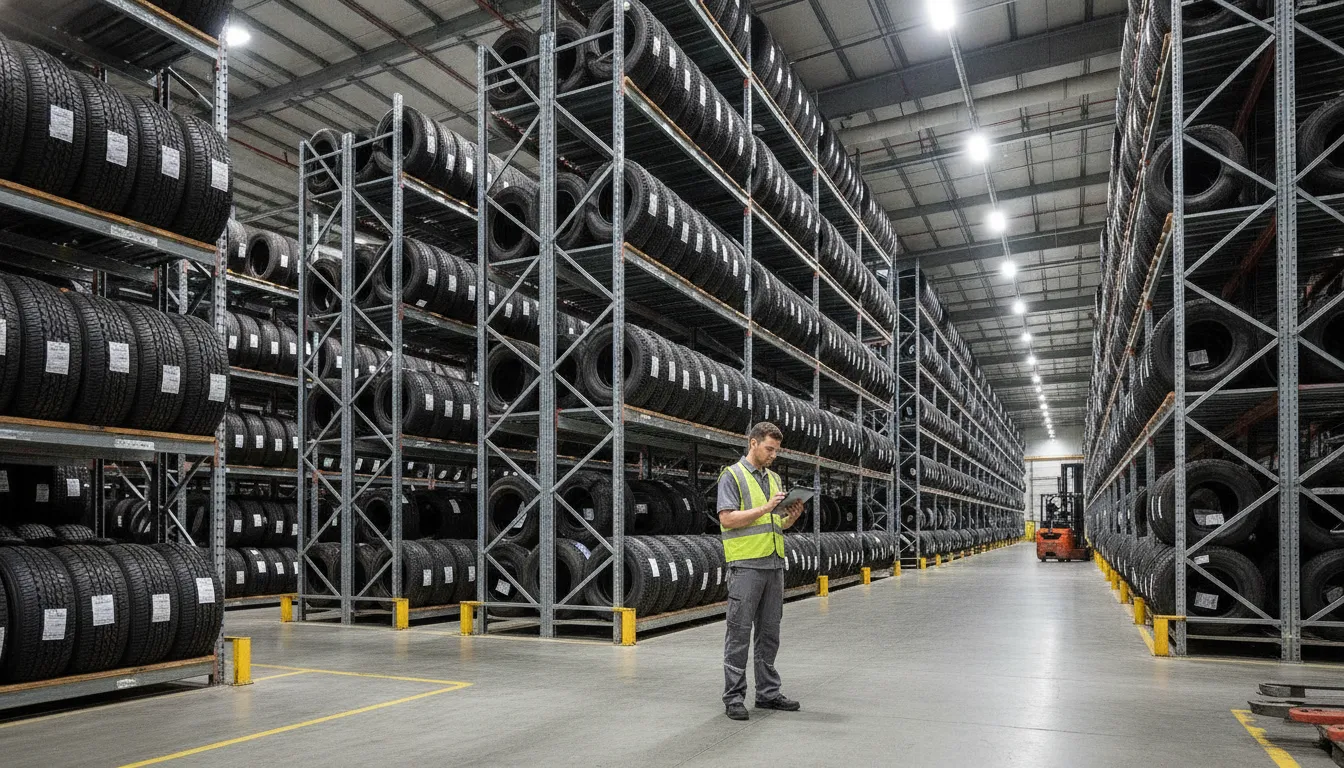
Managing bulk tire orders across several locations requires more than a basic cash register. Most retail software fails tire wholesalers because it cannot handle complex wholesale workflows. QBC Systems has provided specialized tools for distributors since 1978.
Schedule a free consultation with QBC Systems today — learn how a purpose-built tire distributor POS system can transform your wholesale operations.
A tire distributor pos system is specialized software that combines sales tasks with warehouse work to manage bulk tire shipping. Unlike retail shop software, this system handles large order entry, real-time stock tracking, and wholesale customer portals. It connects your sales counter directly to your stockroom so every sale updates your supply levels at once. This type of platform is vital for businesses that need to track tire brands, sizes, and fitments while managing B2B account pricing and bulk shipments. According to QBC Systems, a good solution should link point of sale and stock in one platform. By using a dedicated system, tire distributors can simplify their daily work and ensure they have the right stock.
Distributors must understand how these tools differ from retail software to choose the best technology for their warehouse. You must know the specific roles this software plays in your daily operations. The following section explains What Is a Tire Distributor POS System? and how it relates to your ERP solutions guide. Here is how.
What Is a Tire Distributor POS System?
A tire distributor POS system is a focused software platform built for wholesale tire firms. It acts as the hub for all sales, stock, and customer data. While a retail shop sells a few tires to a driver, a distributor sells hundreds of tires to other shops and dealers. This requires a system built for speed and large orders. Most standard software cannot handle these big wholesale needs. A proper system manages B2B pricing, multi-warehouse inventory, and EDI links with tire manufacturers — all from a single interface.
Wholesale vs. retail workflows
Retail POS tools focus on the buyer. They track simple sales and store one set of prices. A tire distributor pos system must do much more. It manages B2B sales where prices can change based on the customer. It also tracks tax rules for other shops. These systems must process high amounts of data without slowing down.
Distributors also deal with more sites. A retail shop might have one back room for tires. A distributor often has many warehouses in other cities. The POS must show where every tire is at all times. This helps staff find the right stock for a rush order. It also stops selling the same tire to two different shops.
Bulk orders and B2B portals
Order entry is the heart of a wholesale firm. Staff must enter large orders with dozens of lines fast. A good system uses short keys and fast search to save time. Many distributors also use B2B portals. These portals let shops log in to see what you have in stock. They can place orders at their own price level without calling your sales desk. This keeps your team free to focus on new leads.
TireServ ERP brings these tools into one place. It links the sales desk, the warehouse, and the B2B portal. This means your stock levels stay correct as soon as a sale is made. You can also see which dealers buy the most and which tires move the fastest. This data helps you plan for future sales and growth.
Multi-site inventory and EDI
Inventory for tires is hard to manage because they are big and seasonal. A distributor needs to track different types of stock. Studies on tire distribution needs show that firms must track prebuild, cycle, and safety stock. Prebuild stock helps you get ready for peak seasons like winter. Safety stock protects you if a tire maker has a delay. A strong POS system makes this tracking easy across all your sites.
Electronic Data Interchange (EDI) is another key feature. It links your POS directly to tire makers. This helps you get live price updates and stock data. You can also send purchase orders to makers with one click. This cuts down on data entry errors and keeps your prices fresh. It is a key tool for any distributor that wants to stay ahead in a tight market.
Explore TireServ ERP tire distribution software — purpose-built for wholesale tire operations with multi-site inventory, EDI, and B2B portal capabilities.
Key Features: Inventory and Order Management for Tire Distributors
Tire distribution needs a system that handles large moves. A plain tool often lacks the depth needed to track thousands of units across many sites. A focused tire distributor pos system fills this gap. It links your warehouse stocks directly to your sales desk. This ensures that when a bulk order comes in, your team knows where the stock sits and how fast it can move.
Multi-Location and Stock Control
Distributors must manage stock based on how it sells through the year. Most tire firms need to track three main types of stock. These include prebuild stock for busy times, cycle stock for regular sales, and safety stock to prevent shortages. Research from Sabanci University shows that using these groups helps managers handle shifts in demand. By sorting stock this way, you can avoid having too many slow tires while keeping popular sizes ready for quick delivery.
Your system should also track tires down to the specific bin and lot. This level of detail is vital for warranty claims and recalls. In a setup with many sites, the software must show real-time levels at every spot. This stops your sales team from promising tires that are already sold or stuck in transit. QBC Systems offers TireServ to help with these complex needs. It acts as a single source of truth for all your sites.
Bulk Order Entry and Wholesale Workflows
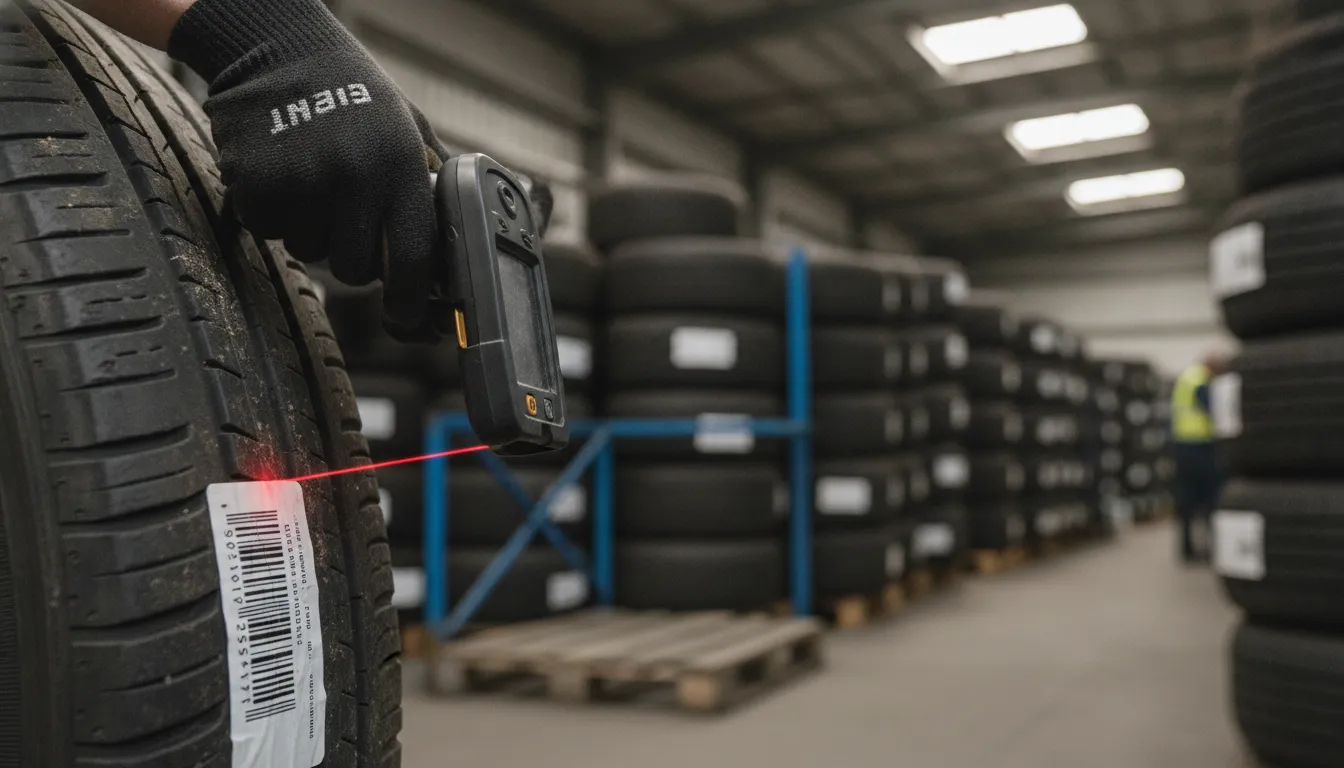
Wholesale tire sales do not work like retail. You are often dealing with bulk entries and repeat buyers. The right software lets your team enter large orders fast without clicking through many screens. It should also handle purchase order tools. When stock hits a low point, the system can draft a new order for your suppliers. This keeps your shelves full without manual data entry. It also reduces the risk of human error when ordering many units at once.
The pick, pack, and ship workflow is another key area. The software should guide warehouse staff to the right tires using the best path. This speeds up the loading process and gets trucks on the road faster. Integrated systems like TireServ connect these warehouse steps to your front-office billing. This ensures that every tire that leaves the dock is billed to the right account right away.
Advanced Tracking and Route Planning
Smart work needs tools to study stock levels and delivery paths. You should look for features that set min and max stock points for each item. This helps you lower the cost of holding tires while still meeting client needs. A study at Duke University found that planning delivery routes can help increase sales and lower costs. Your software should help you find the best routes for your trucks based on where your clients are.
Good stock tools also help you find tires that are not selling. You can then move these items or run sales to clear space. By tracking how each route works, you can see which areas are most strong. This data helps you make better choices about where to grow your business. A strong system gives you the facts you need to run a lean tire distribution firm.
Why Generic POS Systems Fall Short for Tire Wholesalers
Generic POS tools meant for retail shops or general sales cannot handle the complex needs of a high-volume tire warehouse. They lack deep tire catalog links, seasonal stock planning features, DOT safety tracking, and EDI automation. These gaps create data entry errors, stockouts during peak seasons, recall compliance risks, and wasted staff hours on manual order processing.
The cost of manual catalog entry
Generic systems often lack deep links to tire catalogs. This forces your staff to type in specs for every new product, which leads to typos and wrong data. When a warehouse worker enters the wrong rim size or load index, it causes shipping errors and lost revenue. Modern ERP tools remove this risk by pulling data directly from tire makers, ensuring your inventory is always right.
Managing seasonal demand and stock types
Tire sales change fast with the seasons. Research shows that distributors need systems that split stock into three types: prebuild, cycle, and safety stock (Sabanci University). Generic tools usually treat all items the same. Without these stock layers, you might run out of winter tires in November or have too much summer stock sitting in the warehouse. Specialized tools help you set min and max levels based on real demand to keep costs low.
Efficiency through EDI and automation
Order processing is another area where generic tools fall short. If you still call in every order or use simple emails, you are losing hours of work each week. Electronic Data Interchange (EDI) lets your system talk to suppliers and customers directly. This tech speeds up shipping and cuts down on manual work. For distributors who have served the market since 1978, moving to EDI is a key step to staying fast and lean.
Safety and recall management
Tracking Department of Transportation (DOT) numbers is a legal need for tire sellers. If a tire is recalled, a generic POS system cannot tell you which customer bought which tire. You need a system that logs the exact DOT number for every tire sold. This makes it easy to handle recalls and keep your customers safe. It also protects your business from legal risks that come with selling tires without good records.
| Feature | Generic POS | TireServ ERP |
|---|---|---|
| Catalog Sync | Manual entry only | Automatic manufacturer sync |
| Stock Planning | Simple quantity tracking | Prebuild, cycle, and safety stock |
| DOT Tracking | None or basic notes | Full serial and DOT logging |
| Order Tech | Phone and email | Full EDI integration |
| Fitment Data | Basic search | VIN and plate lookup |
Benefits of a Cloud-Based Tire Distributor POS
A cloud-based tire distributor POS system moves your data from local servers to a secure web host, giving your team real-time access from any device with an internet connection. Benefits include live multi-site inventory visibility, lower IT costs through automatic updates, and B2B customer portals that let dealers place orders 24/7 without tying up your sales staff.
A cloud-based tire distributor pos system changes how you manage your business. It moves your data from a local server to a secure web host. This means your team can reach the system from any place with an internet link. Unlike coffee shop tools, these systems handle the complex needs of the tire trade. You get a tool built for the warehouse floor, not just a retail counter. This shift helps you see your whole business in one clear view.
Real-time access across all locations
A cloud system links all your branches in one view. When a sale happens in one warehouse, your stock levels update for all users. You do not need to call other shops to check for a specific tire size. This speed helps you keep enough safety stock to meet customer needs. It also stops you from overbuying items that are already in your other stores. You can manage your tire inventory with much more care. QBC Systems uses a design that works on Windows, Mac, or Linux. This cloud setup lets you scale your business fast. You can add new locations without the cost of new servers. Your data stays in one place, so you always see the truth about your sales. This clear view makes it easy to spot trends across your whole network. You can make smart choices based on facts, not just guesses.
Lower IT costs and upkeep
Legacy systems often need a lot of work to keep running. You might spend too much time on manual updates or fixing broken servers. A cloud tire distributor pos system removes the need for client software on every desk. Updates happen on their own, so you always have the latest tools. This shift lowers your IT costs and lets your team focus on moving tires. You no longer have to worry about old software slowing you down. Research shows that better tools help you reduce inventory holding costs and raise revenue. Since QBC is a full-service partner, they handle your networking and support too. You do not need a large in-house tech team to manage the system. The platform handles the heavy work, so you can spend your time serving dealers. This managed approach gives you peace of mind and more time for your business.
Empowering dealer customers with B2B portals
The cloud also helps you serve your customers better. It lets you set up B2B portals where dealers can place orders. These portals link directly to your POS and inventory data. Your customers can see what is in stock and what it costs without calling you. This self-serve option saves time for both you and your dealers. It makes the ordering process much faster for everyone. Dealers can place orders at any time of the day or night. The system tracks these orders and updates your warehouse team right away. This workflow keeps your bays moving and your customers happy. By giving dealers these tools, you build a stronger bond with your partners. It turns your POS from a simple cash box into a growth engine. Dealers like the ease of use, which leads to more sales over time.
How TireServ ERP Handles POS and Order Entry
TireServ ERP is QBC Systems’ specialized tire distribution platform that links warehouse inventory, point-of-sale transactions, B2B customer portals, and EDI manufacturer connections in one system. It provides real-time stock visibility across all locations, automated purchase orders, bulk order entry with customer-specific pricing, and full DOT serial number tracking for recall compliance.
A specialized tire distributor pos system must do more than just ring up sales. It needs to link your warehouse and your sales counter. TireServ ERP gives you one place to track all sales and stock. This helps you avoid low stock and gives your team the right data at every shop.
Integrated Point of Sale Workflows
For tire distributors, the sales desk is often busy. TireServ ERP makes this easier by linking your POS with your main stock data. When a customer buys a tire, the system updates your stock levels across all spots at once. This stops errors and helps your team sell with confidence.
Since TireServ is web-based, you can run your sales desk on any device. You do not need to set up new software on every computer. This is part of our full-service model. We give you the ERP software, the hardware, and the tech support you need to stay online. We have helped shops since 1978, so we know that good hardware is key to a smooth day.
Advanced Order Entry and B2B Portals
Speedy order entry happens in more than just the shop. Many shops use B2B web portals to let customers buy their own tires at any time. TireServ ERP offers these portals as part of a tire wholesale and distribution ERP setup. When customers use these portals, your sales staff has more time to help with bigger tasks.
The system also manages bulk prices and customer discounts. These tools make sure every sale follows your rules. Research from Sabanci University shows that shops must track safety stock to handle changes in brand supply. TireServ helps you watch these levels as you sell tires so you know when to buy more.
Contact QBC Systems for a free consultation — our team will show you how TireServ ERP can streamline your tire distribution operations.
Connecting Warehouse Data to Sales Channels
It can be hard for tire shops to keep stock data in sync. TireServ ERP solves this by being the one source of truth for your firm. Every order flows into the same list. This helps you keep good records for stock levels and truck routes. Better data like this helps you cut costs and save time.
Our team at QBC Systems takes a direct approach to every setup. We do not just give you a login. We help you set up your tech and hardware so your data moves well from the back to the front. This full support is why shops have trusted us for nearly 50 years to run their most vital tasks.
How to Choose the Right POS System for Your Tire Distribution Business
Picking a new tech system is a big step for your business. It is not just about buying software. You need a tool that handles the complex work of a tire distributor. A retail shop tool often lacks the power you need to manage bulk orders or large warehouses. Choosing the right tire distributor pos system requires you to look at your daily tasks and future goals.
Check your work needs
Start by looking at how you run your firm today. Do you have one warehouse or many? Do you sell only to shops, or do you have a retail counter too? You need a system that fits your exact mix. The best tool will make your work smoother, not add more steps. It should give you a clear view of your stock at every spot you own.
Find must-have tools
Tire sales have unique needs. Your system must connect to tire catalogs so you can find the right fit fast. It should also handle EDI for easy buying from makers. Proper inventory management systems help you track safety stock and cycle stock to meet yearly shifts. Without these tools, you may run out of top sellers or hold too much dead stock.
Pick the right partner
The vendor you choose matters as much as the code they write. You want a partner who knows the tire world. A general reseller might not know your warehouse flow. Look for a team that offers a full range of help. This includes the software, the servers, and the network. Having one point of contact for all your tech needs saves you time and stress.
- Scan your tasks. Look at your site count and how you sell. Decide if you need to support wholesale, retail, or both.
- List your key tools. Ensure the system has tire catalogs and EDI links. It must also have a B2B portal for your shop customers.
- Compare cloud and local. Cloud tools often cost less to start and are easier to update. They let you see data from anywhere at any time.
- Review the support model. Choose a full-service team that provides hardware and network help. This ensures your whole system works well together.
- Map your data move. Plan how you will move your old files and train your team. A good partner will help you with this switch.
- Check for growth. Make sure the tool can grow with you. You do not want to switch again in just a few years.
A smart choice leads to better results for your team and your customers. You can learn more in our tire wholesale and distribution ERP answers guide. Taking the time to pick the right tech now will help you grow for years to come. Focus on a partner who has a long history of helping distributors.
Frequently Asked Questions
What is a tire distributor POS system?
A tire distributor POS system is specialized software that combines point-of-sale transactions, multi-site inventory management, bulk order entry, B2B customer portals, and EDI manufacturer links into one platform. It is built for wholesale tire operations, not retail shops.
How is a tire distributor POS different from a retail POS?
Retail POS systems track simple per-item sales at one price. A tire distributor POS handles B2B pricing tiers, multi-warehouse inventory tracking, bulk order entry with dozens of line items, DOT serial number tracking, and EDI connections to tire manufacturers.
What features should I look for in tire distribution software?
Key features include multi-location inventory tracking with bin and lot control, automatic tire catalog sync from manufacturers, EDI for purchase orders and price updates, B2B customer ordering portals, DOT number tracking for recalls, and seasonal stock planning with prebuild, cycle, and safety stock levels.
Can a cloud-based POS system handle multi-warehouse tire inventory?
Yes. Cloud-based systems like TireServ ERP link all warehouse locations in real time. When a sale happens at one site, inventory levels update across every location instantly. This prevents overselling and helps managers redistribute stock where it is needed most.
What is EDI and why does it matter for tire distributors?
Electronic Data Interchange (EDI) lets your POS system communicate directly with tire manufacturers for live price updates, inventory data, and automated purchase orders. It reduces manual data entry errors and keeps your pricing current across all product lines.
Ready to Scale Your Tire Distribution Business With Modern Tools?
Your tire distribution business needs technology that matches the complexity of your operations. From multi-site inventory tracking and bulk order entry to B2B dealer portals and EDI manufacturer links, the right POS system makes every part of your day run smoother. QBC Systems has helped distributors run their businesses since 1978 with specialized ERP solutions built for the tire industry.
Schedule a demonstration with QBC Systems today — discover how TireServ ERP can streamline your order entry, inventory management, and wholesale operations.
