
QBC Systems
Screenshot 2026-07-03 102556

5 Key Benefits of Cloud ERP for Auto Shops

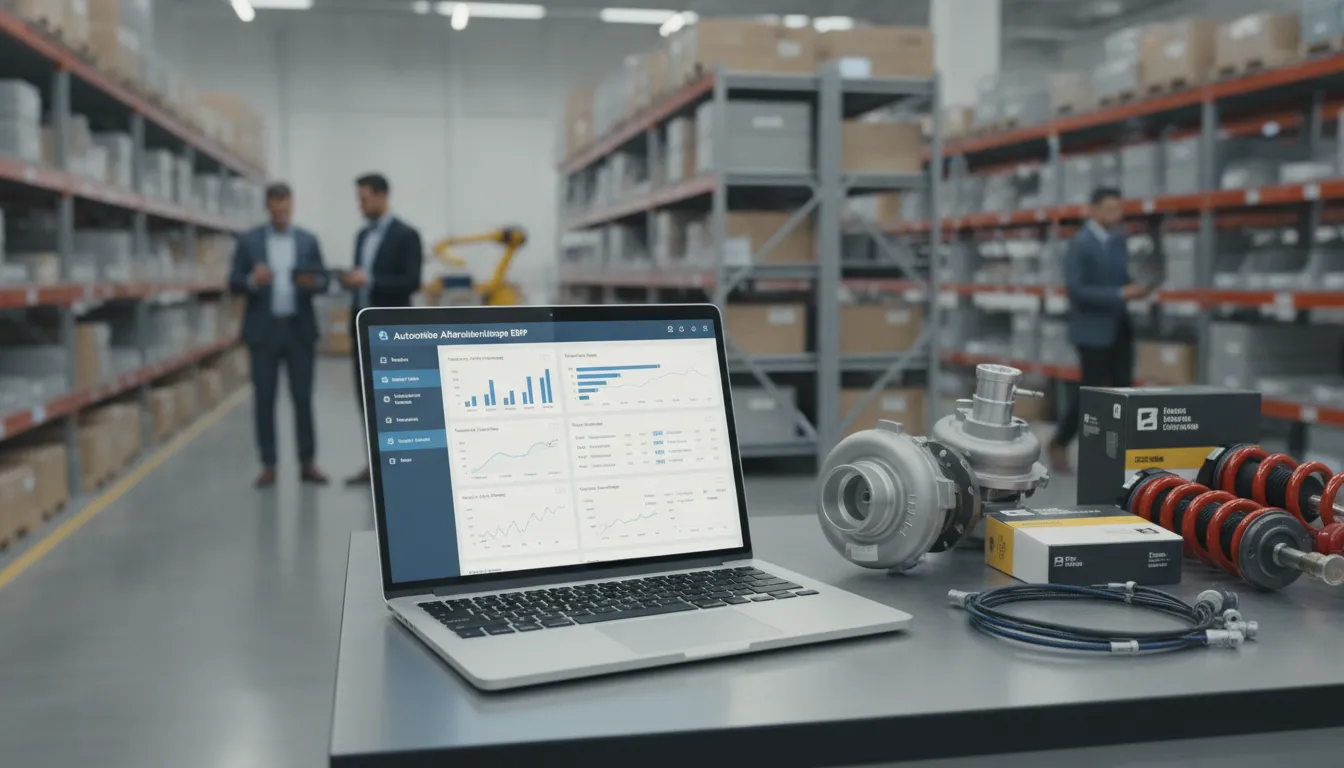
How healthy is your business right now? Can you instantly pull up your most profitable services, your true inventory turnover rate, or your effective labor rate? For many shop owners, these critical numbers are buried in separate spreadsheets and software, making it nearly impossible to get a clear, real-time answer. You end up running your business on gut feelings rather than hard data. A cloud ERP acts as a single source of truth, collecting information from every corner of your operation and turning it into actionable insights. This ability to make informed, data-driven decisions is one of the core benefits of cloud ERP for auto shops. It allows you to stop guessing, identify opportunities for improvement, and strategically guide your business toward greater profitability.

Key Takeaways

  • Shift from a large upfront cost to a predictable monthly fee: Cloud ERP makes powerful software more accessible by turning a major capital purchase into a manageable operating expense. This frees up cash for other important parts of your business, like inventory and marketing.
  • Prioritize an all-in-one system built for auto shops: A generic ERP won’t work for your unique needs. Look for a comprehensive solution that integrates every part of your business, from point of sale and inventory to accounting and customer management, with features designed for the tire and auto industry.
  • Plan your transition to prove your return on investment: A successful switch requires more than just buying software. Prepare by cleaning your data and training your team, then track specific key performance indicators (KPIs) like inventory accuracy and effective labor rate to measure the system’s positive impact on your bottom line.

Cloud ERP vs. On-Premise: What’s the Difference for Your Shop?

Choosing the right software to run your auto shop is a big decision. You’ve probably heard terms like “cloud,” “on-premise,” and “ERP” thrown around, but what do they actually mean for your daily operations? Let’s break down the key differences so you can find the best fit for your business. The main choice comes down to where your software lives and who manages it.

Cloud ERP vs. On-Premise ERP

Think of on-premise software as the traditional model. You buy the software license, and it’s installed directly onto your own computers and servers at your shop. This means you are responsible for everything: the hardware, the security, and all the maintenance and updates. It’s a hands-on approach that gives you direct control but also requires a significant upfront investment and an IT person (or a lot of your own time) to manage it.

A cloud ERP, on the other hand, is hosted online by a service provider. You access it through the internet on any device, just like you would with your email. The vendor handles all the backend work, including server maintenance, security, and software updates. This model is often preferred by businesses looking for systems that can grow with them without the headache of managing complex IT infrastructure.

Cloud ERP vs. Basic Garage Management Software

You might be using a basic garage management software (GMS) right now, and that’s a great start. This type of software is designed specifically for auto repair shops and is great for handling daily tasks like booking appointments, creating job cards, and managing customer communication. It’s often affordable and user-friendly, making it a solid choice for smaller shops.

However, a true cloud ERP like our TireServ solution offers a much more comprehensive approach. While a GMS helps with front-of-house tasks, a complete ERP integrates every part of your business. This includes Point of Sale, advanced inventory management, purchasing, and a full accounting suite with Accounts Receivable, Accounts Payable, and a General Ledger. It’s the difference between a tool that helps with daily operations and a system that runs your entire business, giving you a single source of truth for better decision-making.

Key Benefits of Cloud ERP for Auto Shops

Switching to a cloud-based Enterprise Resource Planning (ERP) system is more than just a software upgrade; it’s a fundamental shift in how you run your auto shop. It connects every part of your business, from the service bay to the front counter to the back office, creating a single source of truth. This integration is what allows you to streamline operations, reduce costly errors, and ultimately, provide the kind of service that keeps customers coming back. By moving your core processes to the cloud, you can stop juggling disparate spreadsheets and outdated programs and start focusing on what you do best: servicing vehicles and growing your business. Let’s look at the specific advantages you can expect.

Manage Inventory in Real Time

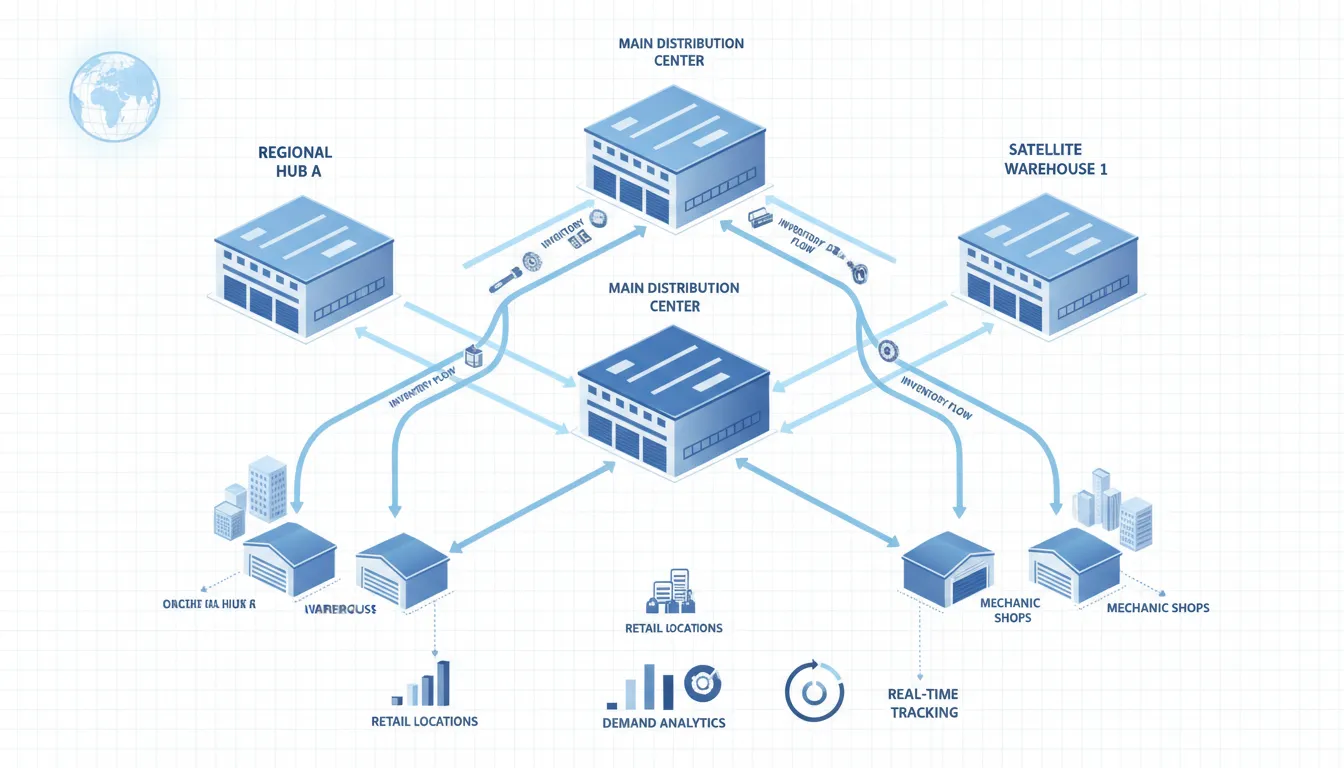
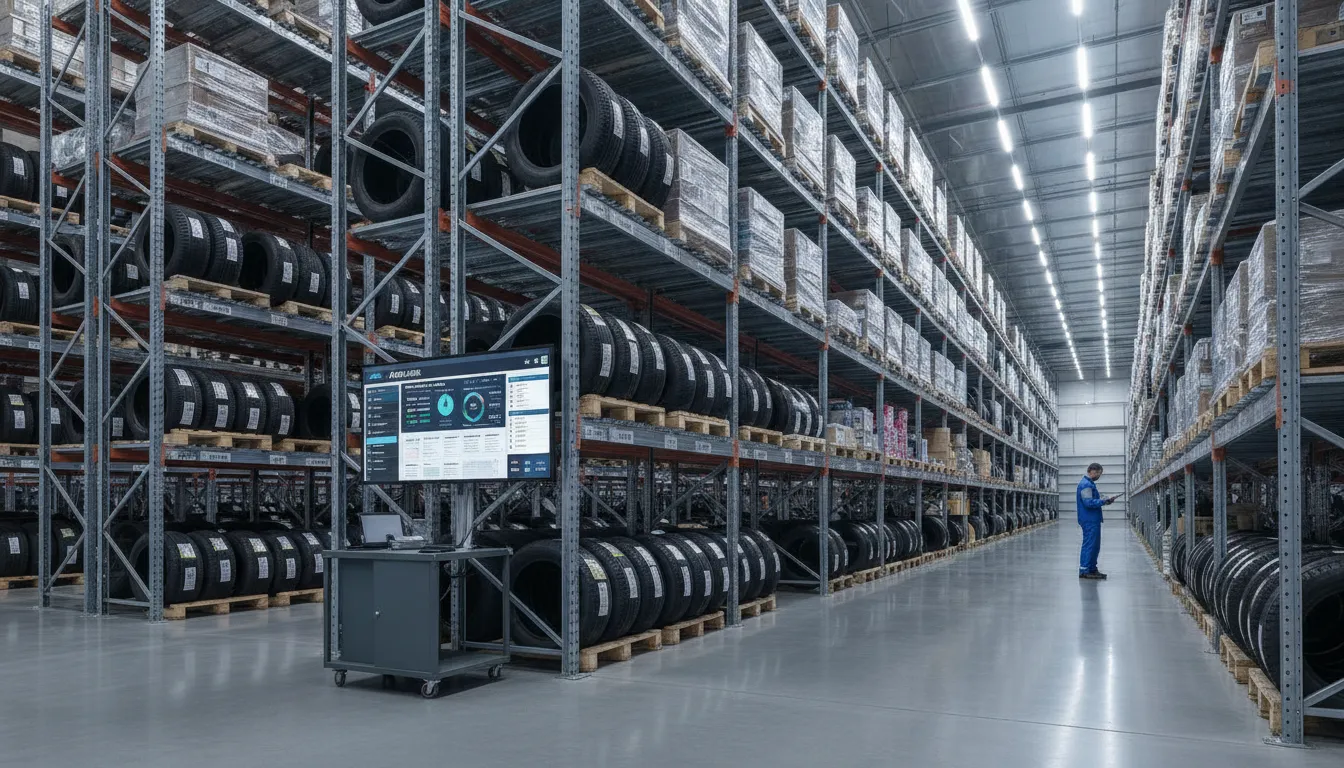
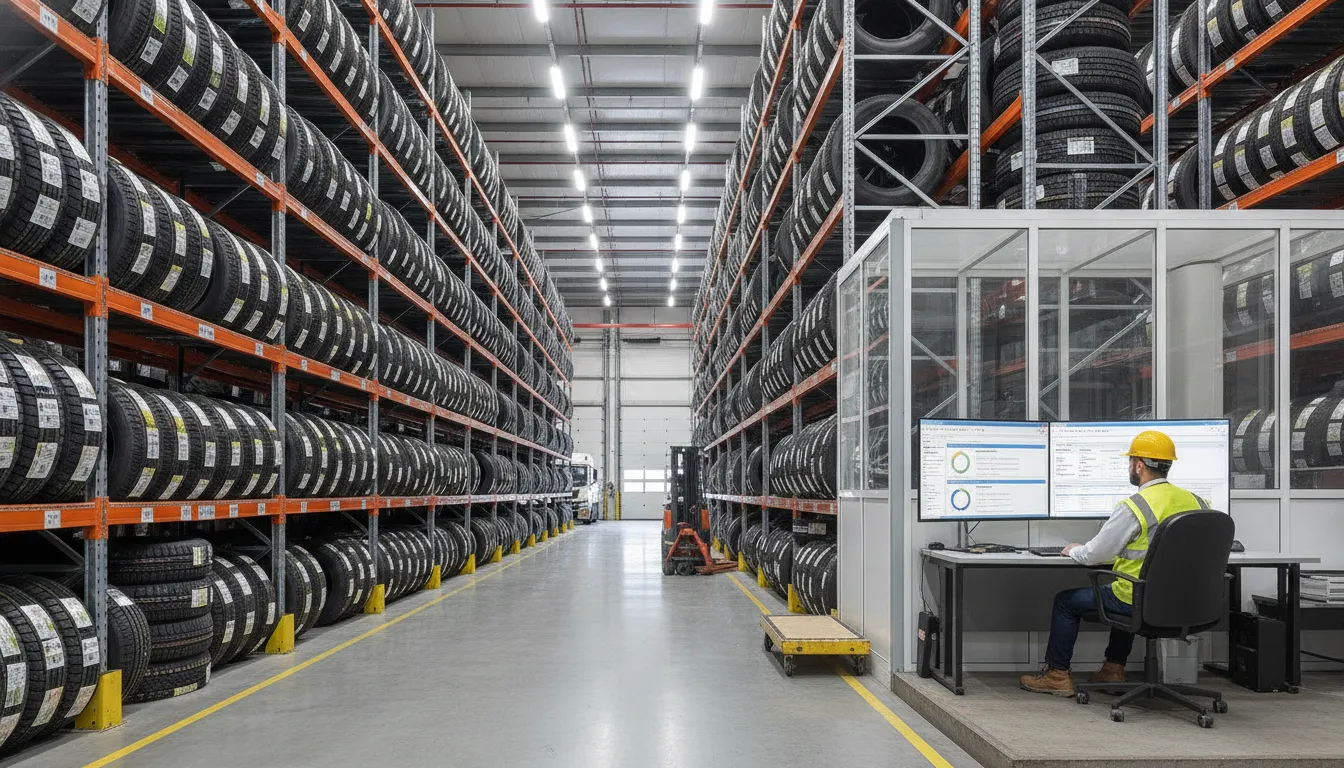
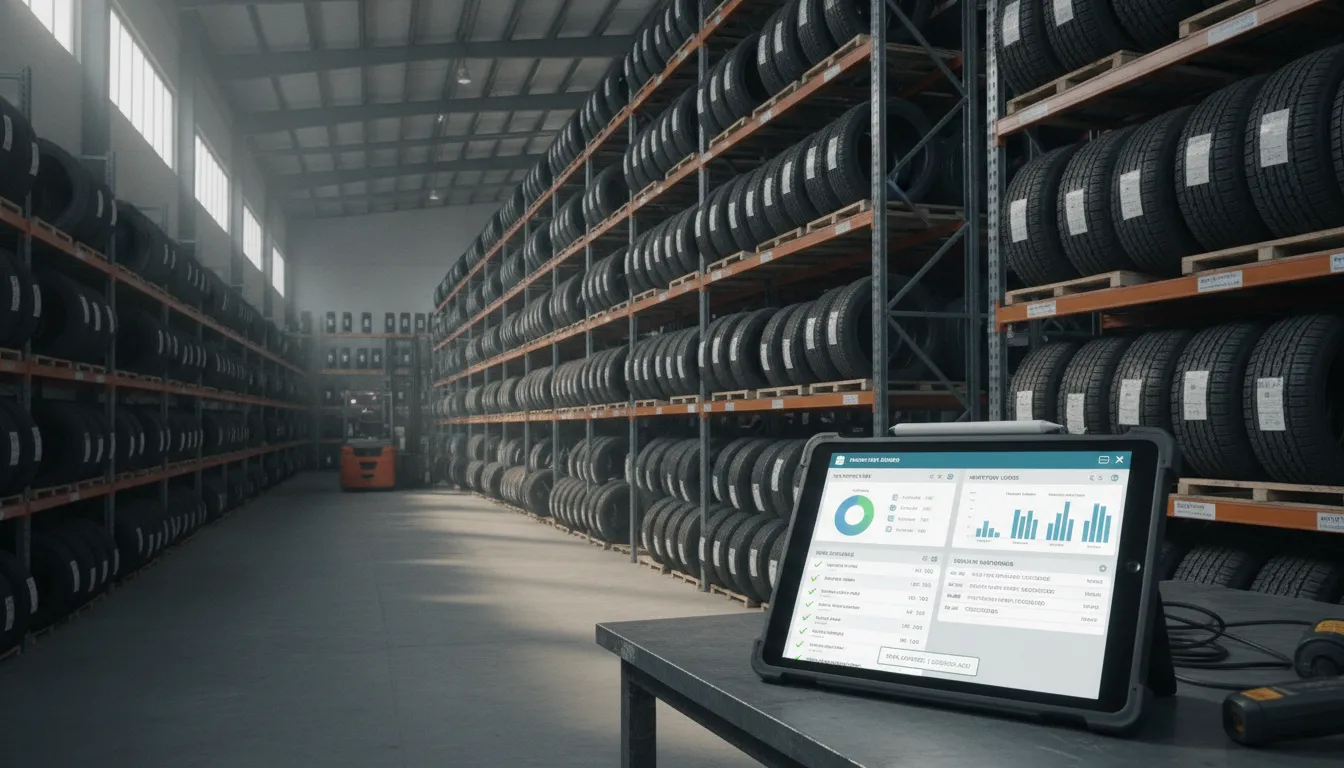
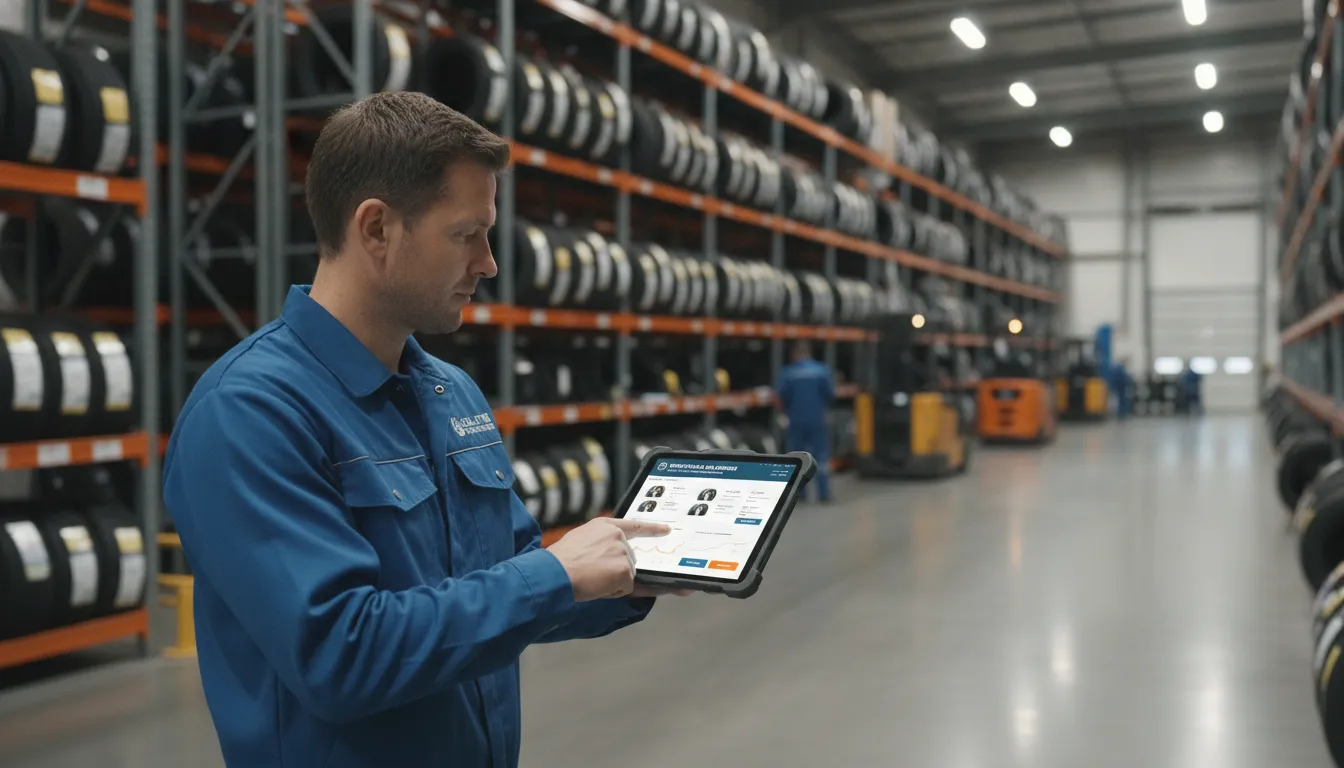
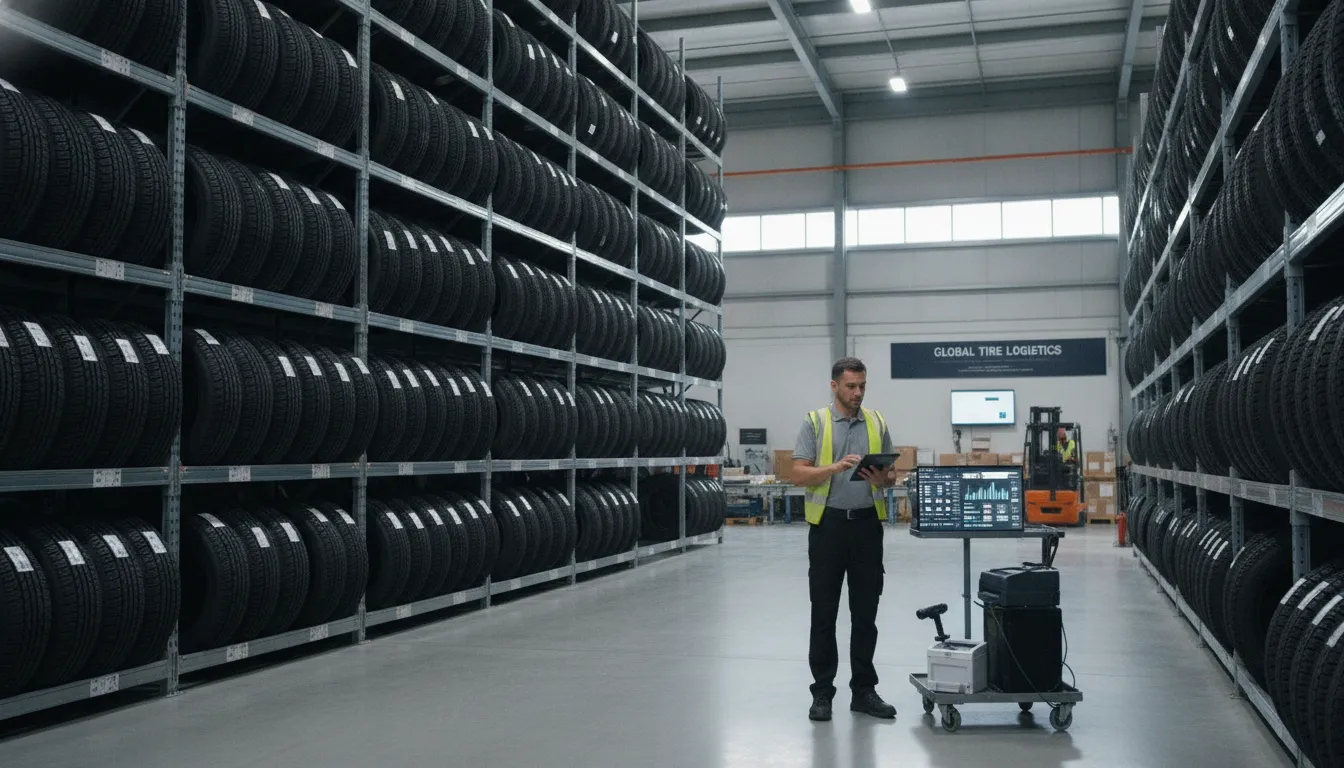
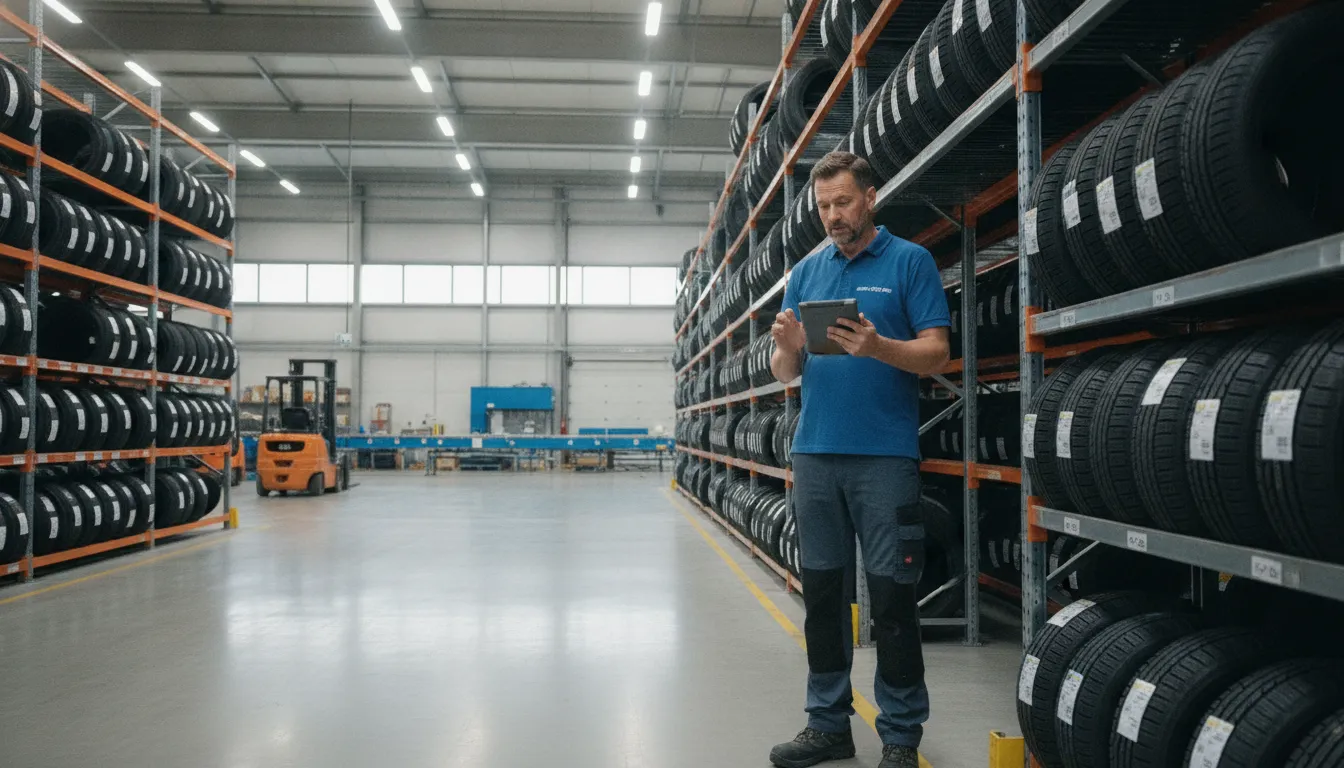
Nothing stops a job in its tracks faster than not having the right part. Effective inventory management is the backbone of a profitable auto shop, but it’s tough to do with manual counts and disconnected systems. A cloud ERP gives you a live, accurate view of your entire stock, whether it’s in one warehouse or spread across multiple retail locations. You can see exactly what you have, what you’re running low on, and what’s selling fastest. This allows for smarter planning and forecasting, so you can automate reordering and avoid tying up cash in slow-moving parts. With a system like TireServ, you can instantly check stock levels, preventing a lost sale and keeping your service bays productive.

Deliver Faster, More Consistent Service

Your customers judge you on speed and reliability. When they ask for a quote or an update, they want a fast, confident answer. A cloud ERP centralizes all your operational and financial data, giving your service advisors instant access to customer history, vehicle information, part availability, and pricing. Instead of putting a customer on hold to check with the parts department, your team can provide accurate information on the spot. This real-time view helps your team make quick, informed decisions that lead to a smoother, more professional customer experience. When service is consistent and efficient, you build the trust that creates loyal, long-term customers.

Automate Workflows and Reduce Errors

How much time does your team spend on repetitive tasks like manual data entry, creating purchase orders, or generating invoices? These activities are not only time-consuming but are also prime opportunities for human error. A typo on a part number or an incorrect price can lead to costly mistakes and unhappy customers. A cloud ERP can automate routine tasks, which reduces the risk of errors and frees up your skilled employees to focus on more valuable work, like complex diagnostics and customer service. By standardizing processes for everything from ordering to invoicing, you ensure that tasks are done correctly and consistently every single time.

Scale Your Business Without Heavy Investment

Growth is the goal for most shop owners, but it often comes with growing pains. Adding a new location or expanding into wholesale with an on-premise system means buying new servers, installing software, and managing complex IT infrastructure. A cloud ERP eliminates these barriers. Because the software is hosted by the provider, you can add new users, service bays, or even entire locations with just a few clicks. The system grows with you, giving you the visibility and control you need without the heavy upfront capital investment. This scalability ensures your systems can grow with your business, making expansion a strategic decision, not a technical headache.

Improve Collaboration Across Locations

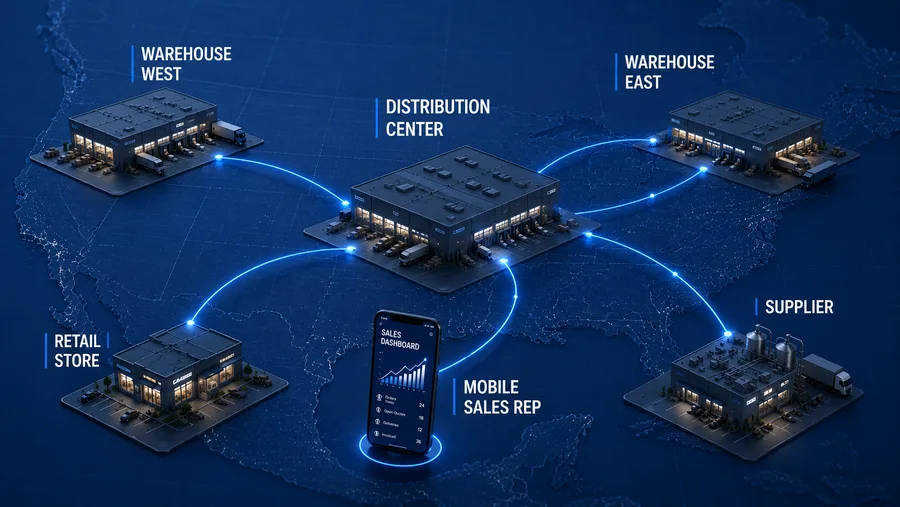
If you run more than one shop or a distribution network, you know how challenging it can be to operate as a unified team. When each location is an information silo, you miss opportunities. One shop might turn a customer away for a part that’s sitting on a shelf at another branch just a few miles away. A cloud ERP breaks down these walls by creating a single, shared database for your entire operation. A service writer in one store can see the inventory of all other locations, arrange for a quick transfer, and save the sale. This ability to manage inventory more effectively across the board turns your separate locations into a powerful, collaborative network.

Breaking Down the Cost of Cloud ERP

Let’s talk about the numbers. When you’re considering a major upgrade for your shop, the price tag is always a top concern. It’s easy to get sticker shock or feel overwhelmed comparing different systems. The great thing about cloud ERP is that it changes the financial conversation from a massive, one-time capital expense to a more predictable, ongoing operational cost. This shift makes powerful software more accessible for shops of all sizes, not just the big chains. You’re not buying a building; you’re paying rent, which is a much more manageable way to think about software.

However, the monthly subscription fee is only one part of the story. To make a smart investment, you need to look at the complete financial picture, including the initial setup and any other expenses that might pop up down the road. A transparent partner will help you understand every line item, so you can budget accurately and feel confident that you’re getting the full value you expect. In the following sections, we’ll walk through the main cost components so you know exactly what to ask and what to plan for when you’re evaluating your options.

Lower Upfront Costs and Predictable Monthly Fees

One of the most significant financial benefits of a cloud ERP system is the lower upfront investment. Traditional on-premise systems require you to buy and maintain expensive servers and hardware, which can be a huge financial hurdle. With a cloud-based solution like TireServ, you skip that major purchase. Instead, you pay a predictable monthly subscription fee.

This model turns a large capital expenditure into a manageable operating expense, making it much easier to budget from month to month. You get access to enterprise-level software without the enterprise-level upfront cost, freeing up cash for other important areas of your business, like inventory or marketing. It’s a smarter, more modern way to manage your shop’s finances.

Understanding the Total Cost of Ownership

While a low monthly fee is attractive, it’s crucial to understand the total cost of ownership (TCO) to get a true sense of the investment. The subscription price is just the starting point. A complete picture includes any costs related to getting the system up and running and keeping it effective for your team over the long term.

Be sure to ask potential providers about implementation fees, data migration services, and employee training costs. Does the provider handle the setup, or are you on your own? Is training included, or is it an extra charge? Understanding these factors will help you compare different ERP solutions more accurately and avoid surprises. A partner with deep industry experience, like QBC, will be upfront about these costs.

Hidden Costs to Watch Out For

A great ERP partner will be transparent about pricing, but it’s always wise to know what potential “hidden” costs to look for. Some providers might charge extra for things you assume are included. For example, you might find additional fees for adding more users, accessing certain advanced features, or integrating with other software you rely on.

When you’re evaluating options, ask specific questions. Is there a fee for ongoing technical support? What does data migration cost? Are software updates and maintenance included in the monthly subscription? Getting clarity on these details ensures your budget stays on track. If you have questions about what’s included, we’re always happy to walk you through it when you contact us.

How Cloud ERP Improves Daily Operations

Switching to a cloud ERP system is about more than just upgrading your technology; it’s about fundamentally changing how your shop runs for the better. It’s the difference between reacting to daily fires and proactively growing your business. When all your core functions, from the front counter to the warehouse, operate in sync, you create a smoother, more efficient, and more profitable operation. Instead of juggling separate software for sales, inventory, and accounting, a unified cloud system provides a single source of truth. This integration is the key to creating new levels of efficiency. It allows you to automate tedious tasks, gain clear insight into your performance, and give your team the tools they need to provide excellent service. With a system like our TireServ ERP software, you can finally connect the dots between every part of your business, making daily work less chaotic and more strategic.

Centralize Data Across Every Department

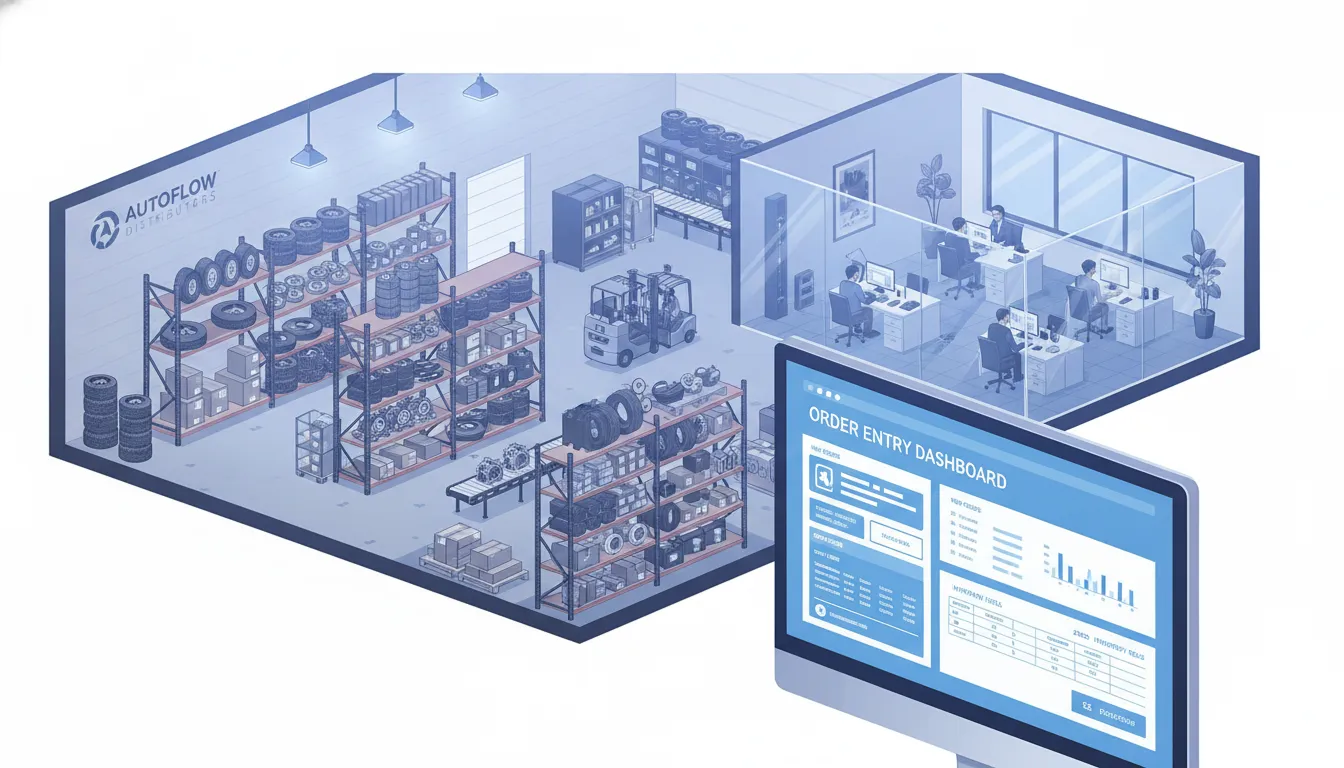
Think about how much time your team wastes hunting for information or correcting data entry errors. The service desk might use one system for work orders, while the accounting team uses another for invoicing, and neither talks to your inventory spreadsheet. A cloud ERP brings all these functions together. Your financial management, inventory control, purchasing, and customer history all live in one secure, accessible place. When a technician adds a part to a work order, the inventory count updates instantly, and the charge is automatically added to the customer’s invoice. This eliminates redundant data entry, reduces human error, and gives everyone from the owner to the service advisor access to the same real-time information.

Streamline Purchasing and Supplier Management

Making smart purchasing decisions is critical for profitability in the tire and auto business. A cloud ERP gives you the data you need to stop guessing and start strategizing. By tracking sales trends and inventory levels in real time, the system helps you understand which products are moving and which are collecting dust. You can set automatic reorder points for your most popular items to prevent stockouts and lost sales. This also improves your supplier relationships. With clear data on lead times and costs, you can negotiate better terms and hold suppliers accountable. Tracking key performance indicators, like your inventory turnover ratio, becomes simple, allowing you to optimize stock levels and free up valuable cash.

Make Smarter Decisions with Better Reporting

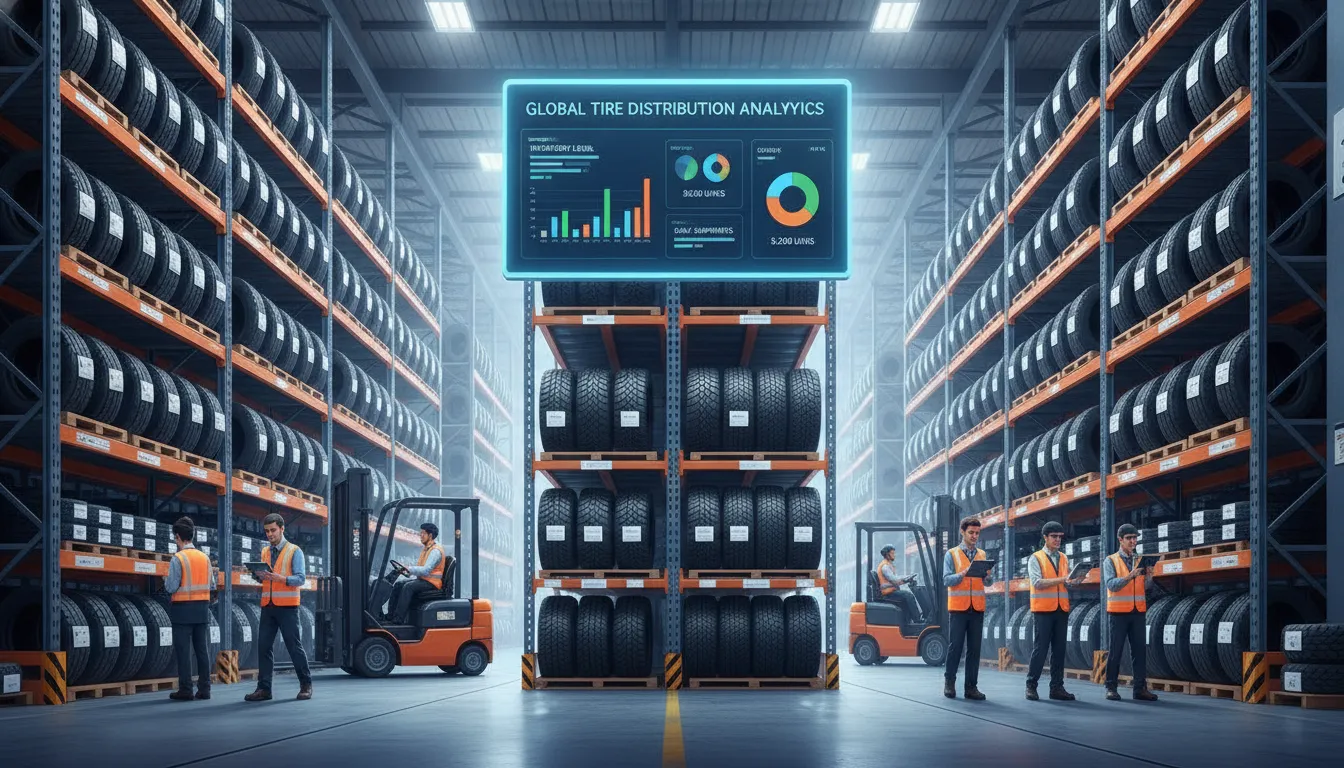
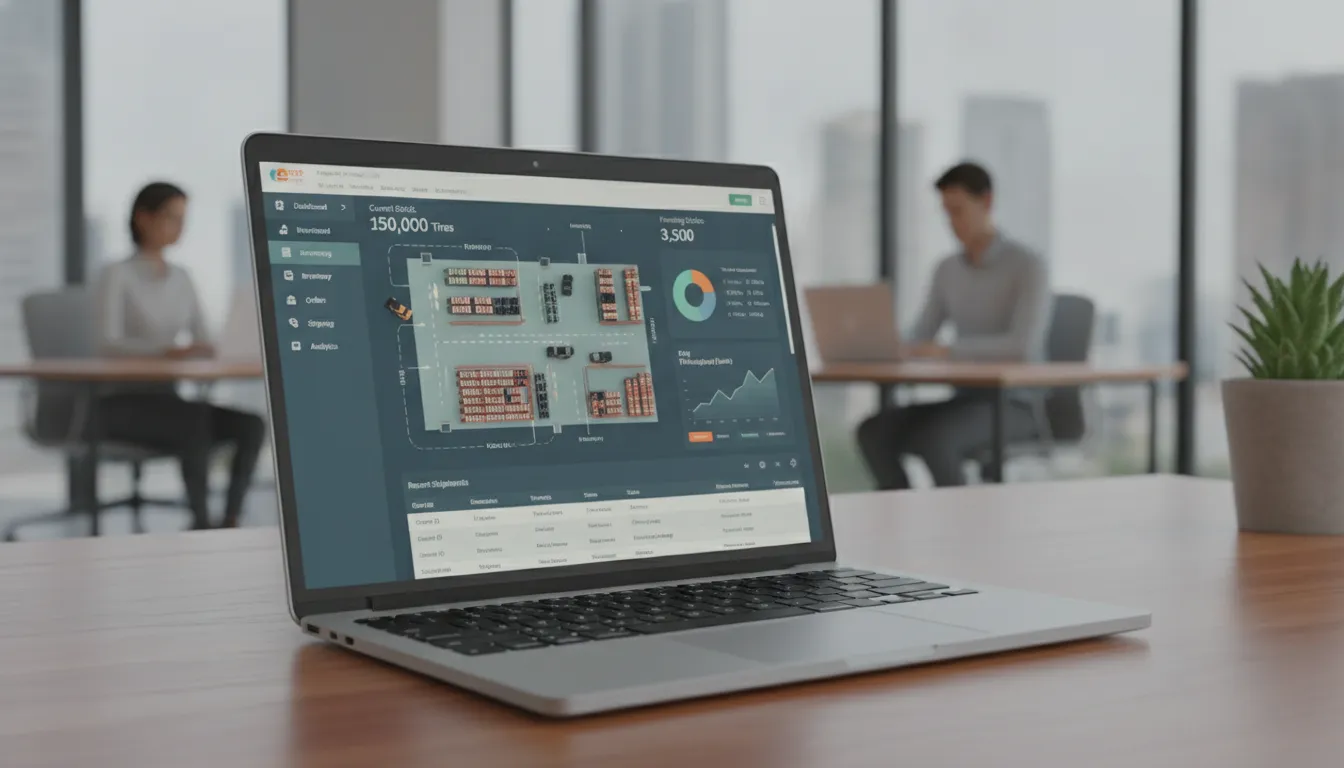
When your data is scattered across different systems, getting a clear picture of your business’s health is nearly impossible. A cloud ERP changes that by offering powerful reporting and analytics tools. With the click of a button, you can generate reports on sales performance, technician productivity, profit margins on specific services, and customer retention. Instead of relying on gut feelings, you can use data to identify your most profitable revenue streams and pinpoint areas of inefficiency. These insights are crucial for strategic planning. By tracking the right Key Performance Indicators, you can measure the success of your business strategies and make adjustments to stay on track toward your goals.


Essential Features in an Auto Shop Cloud ERP

When you start looking at cloud ERP systems, you’ll notice they aren’t all built the same. The right system for a retail store won’t have the specific tools a tire and auto service business needs to thrive. A truly effective cloud ERP should act as the central hub for your entire operation, connecting every task and department seamlessly. It’s about finding a solution that understands the unique rhythm of your shop, from the front counter to the service bay and the back office.

Choosing a system with the right features from the start saves you from the headache of trying to piece together different software later on. You need a comprehensive solution designed for the auto industry’s specific challenges, like managing complex inventories, tracking work orders, and maintaining customer relationships. A purpose-built system like TireServ ERP integrates these essential functions into one platform, giving you a clear, real-time view of your business. Let’s break down the non-negotiable features you should look for.

Point of Sale and Customer Order Management

Think of your Point of Sale (POS) system as more than just a way to take payments. When integrated into your ERP, it becomes the starting point for a smooth customer experience. An effective system allows you to create estimates, convert them into work orders, and track every step of a job from start to finish. This includes managing special orders and even processing returns without hassle. This complete customer order management ensures that nothing falls through the cracks, your front desk runs efficiently, and your customers leave happy.

Inventory and Supply Chain Management

For any auto shop, inventory is cash sitting on a shelf. The right ERP feature for inventory and supply chain management gives you real-time visibility into what you have, what you need, and where it is. It helps you track parts from purchase order to final sale, preventing costly overstock and frustrating stockouts. By analyzing sales data, the system can even help you forecast demand and set automatic reorder points. This means you’ll have the right tires and parts on hand when you need them, improving your service speed and your bottom line.

Integrated Accounting: AR, AP, and General Ledger

Manually entering invoices and reconciling accounts between different software programs is a recipe for errors and wasted time. An ERP with integrated accounting connects your sales and purchasing directly to your financial records. When your team sells a set of tires, the system automatically generates an invoice, updates your inventory, and records the transaction in your general ledger. It streamlines both accounts receivable (AR) and accounts payable (AP), giving you an accurate, up-to-the-minute picture of your shop’s financial health without the manual data entry.

CRM and Customer Retention Tools

Great service goes beyond the bay; it’s about building lasting relationships. An integrated Customer Relationship Management (CRM) tool is essential for this. It keeps a detailed history of every customer, including their vehicles, past services, and contact information. You can use this data to send automated service reminders, create targeted marketing promotions, and provide a personalized experience every time a customer calls or walks in. This focus on the customer is what turns a one-time repair into a loyal client, a principle we’ve valued for over 30 years of experience.

Automatic Updates and Ongoing Support

One of the biggest advantages of a cloud ERP is that the provider handles all the technical heavy lifting. Security patches, software fixes, and new features are updated automatically, so you’re always running the latest and most secure version of the software without any downtime or extra work for your team. Just as important is the support that comes with the system. Look for a partner who is responsive and knowledgeable about the auto industry. When you have a question, you need to know you can get in touch with someone who can help you quickly.

Debunking Common Cloud ERP Myths

Switching to a new system can feel like a huge leap, and it’s normal to have questions and concerns. When it comes to cloud ERP, there are a lot of myths floating around that can make the decision feel even more daunting. Let’s clear the air and look at the facts behind some of the most common worries we hear from shop owners. The reality is that modern cloud systems are built to solve these exact problems, not create them.

“It’s too expensive to implement.”

This is probably the biggest myth holding shops back. The sticker shock of traditional, on-premise software is a real memory for many, but cloud ERP works differently. Instead of a massive upfront investment in hardware and licenses, cloud systems typically use a subscription model. This means you have predictable monthly fees and lower upfront costs, which is much easier on your cash flow. This model allows you to pay as you grow, making powerful software accessible even for smaller shops. It’s about investing smartly, not just spending a lot of money at the start.

“My data won’t be secure in the cloud.”

It’s natural to worry about your shop’s data, especially customer information and financial records. However, the idea that your data is safer on a server in your back office is outdated. Cloud ERP providers invest millions into security, far more than a single business could afford. They have teams of experts dedicated to protecting your information with robust security measures like advanced encryption, firewalls, and constant monitoring. In many ways, moving to the cloud is a security upgrade, putting your data in a digital fortress that’s updated and defended 24/7.

“It’s too complicated for my team to learn.”

No one wants to introduce a tool that slows the team down. The good news is that cloud ERP systems are designed to be intuitive. Modern software developers focus on creating user-friendly interfaces that make sense from day one. A solution like TireServ is built specifically for the tire and auto industry, so the workflows will feel familiar to your team. Plus, good providers offer comprehensive training and ongoing support to make sure everyone feels confident using the new system. The goal is to make work easier, not harder.

“A cloud system can’t be customized for my shop.”

Your shop has unique processes that make it successful, and you shouldn’t have to give those up. The myth that cloud software is a rigid, one-size-fits-all solution is simply not true anymore. Today’s cloud ERPs offer a high degree of flexibility and can be configured to match your specific operational needs. Whether it’s managing tire aging, tracking work orders, or handling complex supplier pricing, the right system can be tailored to your business. You can get a solution that fits your shop perfectly without needing a team of developers to build it from scratch.

How to Prepare for the Switch to Cloud ERP

Making the move to a cloud ERP system is a significant step forward for any auto shop, but a smooth transition doesn’t happen by accident. It requires thoughtful preparation. By focusing on a few key areas before you make the switch, you can ensure your team and your business are ready to hit the ground running with the new software. A successful launch sets the stage for you to get the most value from your investment, right from the start. Taking the time to plan your data migration, train your employees, and create a comprehensive budget will make the entire process feel less overwhelming and far more effective.

Plan Your Data Migration

Before you can move into your new digital home, you need to decide what you’re bringing with you. Your existing data, from customer histories to inventory counts, is invaluable. However, moving it from an old system is the perfect opportunity to clean up data and start fresh. Go through your records and remove duplicate entries, correct outdated information, and archive anything you no longer need. Think of it as a deep clean for your business information. Starting your new ERP with accurate, well-organized data is one of the most important steps you can take. It ensures your reports are reliable and your team can trust the information they see from day one.

Focus on Employee Training and Adoption

A new software system is only as powerful as the team using it. To get everyone on board, you need to prioritize clear communication and hands-on training. Explain why the switch is happening and how the new ERP will make their jobs easier. Get your team excited about the change by involving them in the process early. It’s also helpful to establish clear key performance indicators (KPIs) for the implementation. When your team understands the goals, like faster invoicing or more accurate inventory, they become more invested in making the new system a success. Proper training turns hesitation into confidence and helps your staff adopt the new workflows quickly.

Budget for the Full Transition

A smart financial plan for your ERP transition looks beyond the monthly subscription fee. To create a realistic budget, you need to account for the total cost of the project. This includes any one-time implementation fees, costs for data migration services, and the time your employees will spend in training. You should also discuss any potential customizations your shop might need with your ERP provider. Planning for these expenses upfront prevents surprises down the road and ensures you have the resources for a complete and successful rollout. An experienced partner like QBC can help you understand the full scope of the investment.

Measuring Success: KPIs to Track After You Switch

Making the move to a cloud ERP is a big step, and you’ll want to see a clear return on your investment. The best way to do that is by tracking the right Key Performance Indicators (KPIs). These metrics give you concrete data to show how the new system is improving your shop’s performance. Instead of just feeling like things are running smoother, you can actually prove it with numbers. Tracking these KPIs helps you pinpoint what’s working well and identify any areas that might need a little more attention as your team gets used to the new software. It’s all about turning your operational improvements into measurable financial results.

Inventory Accuracy and Turnover

Are you tired of discovering that a part you thought was in stock is actually missing? Your new cloud ERP should put an end to that. A key metric to watch is inventory accuracy, which measures the difference between the stock levels in your system and what’s physically on your shelves. With a centralized system like TireServ, every sale and return is updated in real time, dramatically improving this number.

Another crucial KPI is inventory turnover. This tells you how many times your shop sells and replaces its inventory over a certain period. A higher turnover rate means your cash isn’t tied up in slow-moving parts, which directly impacts your bottom line. An ERP helps you manage stock levels more effectively, reducing excess inventory and ensuring you have the right parts when you need them.

Technician Productivity and Effective Labor Rate

Your technicians are the heart of your shop, and their efficiency is directly tied to your profitability. Two important KPIs to monitor here are technician productivity and your effective labor rate. Productivity tracks the hours your techs spend actively working on vehicles versus their total hours on the clock. The effective labor rate shows you how much revenue you’re actually earning per labor hour billed.

These metrics help you understand how well your team is using their time to generate revenue. A good cloud ERP integrates scheduling, work orders, and invoicing, making it simple to pull this data. You can easily see who your most efficient techs are, identify training opportunities, and spot bottlenecks in your workflow before they become major problems. Tracking these key performance indicators is essential for transforming your shop’s operations.

Customer Retention Rate

It’s far more cost-effective to keep a loyal customer than to attract a new one. That’s why your customer retention rate is one of the most important metrics for long-term success. This KPI tracks the percentage of customers who return to your shop for service over time. A high retention rate is a strong sign that you’re building lasting relationships and delivering great service.

A cloud ERP with a built-in Customer Relationship Management (CRM) tool is your best friend here. It allows you to track customer service history, automate appointment reminders, and even send targeted promotions for upcoming maintenance. By maintaining these relationships with your customers, you can build a loyal following that trusts your shop for all their automotive needs, and your ERP provides the data to prove it.

Data Accuracy and Reporting Reliability

All the KPIs in the world won’t help you if the data behind them is flawed. That’s why data accuracy is the foundational metric for your entire system. This KPI measures the reliability of the information being entered into your ERP. When your data is accurate, you can trust the reports you generate to make informed decisions about purchasing, staffing, and pricing.

A modern cloud ERP improves data accuracy by automating workflows and reducing the need for manual data entry, which is often where errors creep in. With a single, centralized system, you eliminate duplicate or conflicting information across departments. This ensures that everyone from the service desk to the back office is working with the same reliable data. This commitment to data integrity is something we’ve focused on for over 30 years, as you can see when you learn about QBC.

Choosing the Right Cloud ERP Partner

Selecting a cloud ERP system is more than just a software purchase; it’s the beginning of a long-term partnership. The right partner will do more than just provide a platform. They will act as an extension of your team, offering tools and insights that are directly relevant to the challenges and opportunities within the tire and auto service industry. A generic ERP provider might not understand the complexities of your inventory, from core charges and tire aging to managing relationships with multiple suppliers for the same part.

When you’re evaluating potential partners, you’re looking for a company that is invested in your success. Their software should feel like it was built specifically for your shop, because in many ways, it should have been. A partner with deep industry roots will have already solved the problems you’re facing for hundreds of other businesses just like yours. As you explore your options, focus on three critical areas: their expertise in the auto industry, the completeness of their solution, and their approach to customer support. Getting these three things right will ensure you choose a partner that helps you grow for years to come.

Look for Proven Auto Industry Expertise

A general ERP can manage basic inventory and accounting, but the auto industry has its own language. A partner with proven expertise in the tire and auto world speaks that language fluently. They understand the difference between a winter tire and an all-season, the importance of tracking DOT numbers, and the nuances of managing supplier rebates. This industry-specific knowledge is built directly into their software, saving you from creating clunky workarounds. A partner with decades of experience, like QBC, has refined their system based on real-world feedback from shops like yours, ensuring the features you need are already there. This lets your team work smarter and more efficiently from day one.

Prioritize a Comprehensive, All-in-One Solution

If your team is currently jumping between different programs for point of sale, inventory, and accounting, you know how inefficient it can be. An all-in-one cloud ERP eliminates this fragmentation by centralizing data from every part of your business into a single, unified system. Instead of entering the same information in multiple places, your data flows seamlessly from a customer’s work order to your inventory counts and finally to your general ledger. This not only reduces the risk of human error but also gives you a complete, real-time picture of your business’s health. A truly comprehensive ERP solution connects every department, from the front counter to the back office, creating a more streamlined and productive operation.

Verify Their Commitment to Customer Support

Your relationship with your ERP partner shouldn’t end once the software is installed. The transition to a new system is a major project, and you’ll need a dedicated support team to guide you through it. Look for a partner that offers robust training, clear documentation, and accessible support staff who understand the auto industry. When you call with a question about managing tire consignments, you want to speak with someone who knows what that is. A great partner is also invested in your long-term success. They should be available to help you analyze your performance and get the most out of the system long after you go live. You can often get a feel for their commitment by simply reaching out to their team during your evaluation process.

Is Your Auto Shop Ready for Cloud ERP?

Deciding to switch to a new system is a major step, and it’s smart to ask if the timing is right. Moving to a cloud ERP is more than just a software update; it’s a chance to refine your entire business. A successful implementation can be a golden opportunity to rethink your strategies, streamline processes, and set new goals for growth. If you’re feeling stuck in your current workflows and are actively looking for ways to innovate, that’s a strong sign you’re ready for a change.

A great way to gauge your readiness is to look at how you currently measure success. Can you instantly pull up your effective labor rate or your hours per repair order? Do you know your customer retention rate off the top of your head? These are some of the most essential KPIs to track for a healthy shop. If you struggle to find this information or spend hours compiling it manually, it’s a clear indicator that a cloud ERP could provide the visibility you’re missing.

Finally, take an honest look at your data. A new system is only as good as the information you put into it. Think about your customer lists, service histories, and inventory counts. Having clean, organized information is crucial, as one of the most important metrics for any ERP system measures the accuracy of data entered into it. If you see the need for better data management and are prepared to organize your information for a smoother transition, you’re not just ready for a cloud ERP, you’re setting yourself up to get the most out of it from day one.

Frequently Asked Questions

I’m already using basic shop software. How is a cloud ERP like TireServ really different? That’s a great question. Think of it this way: your current software likely helps you manage daily front-counter tasks like writing work orders and scheduling. A true cloud ERP does that, but it also integrates every other part of your business. It connects your point of sale directly to your inventory, your purchasing, and your complete accounting suite, including accounts payable and receivable. Instead of having separate tools that don’t communicate, an ERP creates one single, reliable system for your entire operation.

Will my team be able to learn a new, complex system without slowing down our work? This is a common and very valid concern. The key is choosing a system that was designed specifically for the auto industry, so the workflows feel intuitive to your team. A good provider also understands that technology is only useful if people can actually use it. That’s why comprehensive training and ongoing support are so important. The goal is to find a partner who will work with your staff to make them feel confident, ensuring the transition is smooth and the new system makes their jobs easier, not harder.

Is my shop’s data actually secure if it’s not on a server in my back office? It’s smart to be protective of your business data. The reality is, reputable cloud ERP providers invest in security measures that are far more robust than what a single shop could manage on its own. They have dedicated teams of experts focused on protecting data with advanced encryption, firewalls, and constant monitoring. In many ways, moving to a professional cloud environment is a significant security upgrade, placing your information in a purpose-built digital fortress.

What’s the biggest mistake shops make when switching to a new system? The most common pitfall is not taking the time to clean up business data before moving it. It’s tempting to just copy everything over, but this usually brings old errors and disorganized records into your brand new system. A successful switch starts with a “digital deep clean.” Taking the time to remove duplicate customer files, correct inventory counts, and archive old records ensures you start on the right foot with accurate, reliable information.

I run a multi-location business. How does a cloud ERP help with that specifically? This is where a cloud ERP really shines. It breaks down the walls between your locations by creating a single, shared database. A service writer at one store can see the inventory at another, which means you can save a sale instead of turning a customer away. You can also centralize your purchasing to get better pricing and analyze performance across all locations from one dashboard. It turns your separate shops into a connected, collaborative network.

Leave a Reply