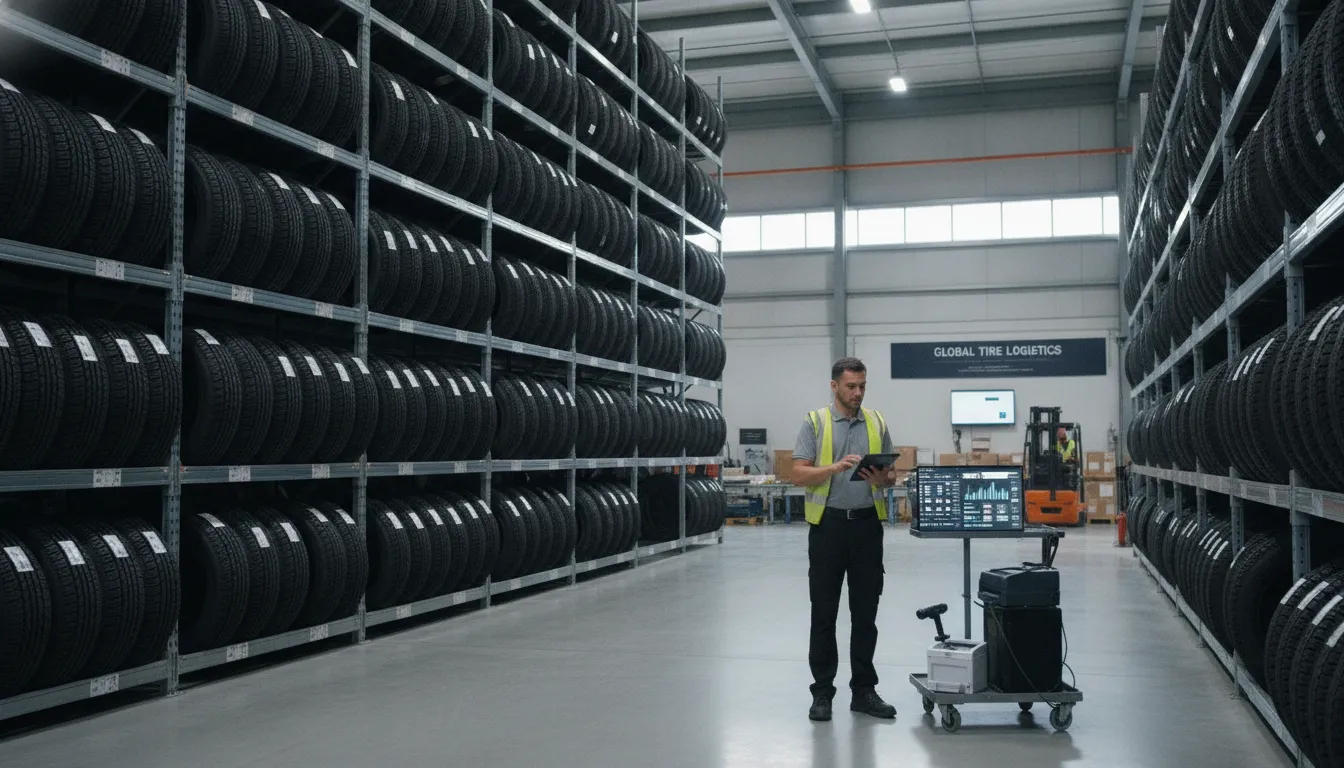
Online ordering is changing how tire distributors serve dealers, branches, and retail buyers. A disconnected store can create stock errors, slow replies, and extra work for the warehouse.
Schedule a demonstration with QBC Systems to review your integration options.
Tire wholesale ecommerce integration connects an online ordering channel with the ERP systems that run inventory, customer data, pricing, orders, and billing. The right setup gives dealers current product and stock information, while your team manages orders from one connected system. It can support dealer portals, branch sales, and direct retail channels without forcing staff to rekey each order. Integration also helps meet demand for always-on access as tire buying moves online. QBC Systems provides TireServ and full-service support for distributors, including software, implementation, training, technical support, and network services. Since 1978, QBC has helped distributors build practical systems around daily warehouse and sales work. The U.S. Commercial Service notes that B2B ecommerce often requires complex ERP integration.
What should a distributor connect, and which approach fits its current systems? The next section explains What Is Tire Wholesale eCommerce Integration? and shows where each option affects daily operations. Here is how.
What Is Tire Wholesale eCommerce Integration?
Tire wholesale ecommerce integration connects a distributor’s online sales site with its ERP system. The connection lets staff and dealers work from the same core data, rather than update stock, orders, and account details in separate tools. QBC Systems treats this as an operations project, not just a web design task.
One system for daily work
A tire dealer may need to search by brand, size, load rating, or stock status. The warehouse team needs the same data to pick and ship the right tire. An integrated setup joins the storefront to inventory, customer records, pricing rules, orders, billing, and account terms.
The U.S. Department of Commerce guidance on B2B ecommerce notes that these platforms often need links to ERP, CRM, inventory, manufacturing, customer, and contract systems. That is why a tire wholesale ecommerce integration must fit the way a distributor sells and fulfills orders.
Why the connection takes care
ERP and ecommerce tools may use different data fields, rules, and update times. A stock count that looks right online can still be wrong if the connection does not handle warehouse changes, reserved units, back orders, or branch locations. Order status must also move back to the dealer portal without delay.
Integration can be a large part of the work. B2B ecommerce guidance states that ERP integration may use up to 50 percent of a project’s time, effort, and money. A clear plan helps the team test each data flow before dealers rely on it.
Self-managed or integrated?
Some distributors keep the web store and ERP apart. Others connect the systems and use one flow from search to invoice. The right choice depends on order volume, branch needs, catalog size, and the amount of manual work the team can support.
| Area | Self-managed tools | Integrated approach |
|---|---|---|
| Inventory | Staff copy or check stock by hand | ERP data feeds the online catalog |
| Orders | Orders need manual entry | Orders move into the ERP workflow |
| Billing | Account terms need a separate check | Customer and billing rules stay linked |
| Dealer access | Basic product and contact forms | Portals can show orders, terms, and status |
| Reporting | Data sits in separate reports | Sales and stock data can be reviewed together |
Core features should include inventory management, order tracking, and billing. Tire-focused tools may also add dealer portals, analytics, and tire search tools. These functions help a dealer find the right product and help staff keep the order moving.
QBC Systems can plan, connect, test, and support the full workflow through its ERP and ecommerce services. Review the integrated ERP solutions guide to see how the wider system fits together. For the customer-facing side, its B2B ordering portals page covers online ordering needs for tire distributors.
What Features Should Tire Distributors Look for in an Integrated eCommerce Platform?
For tire distributors, tire wholesale ecommerce integration should connect online orders with the systems that run the business. The right platform should help buyers place orders, help staff manage stock, and keep pricing rules in sync. It should also support each sales channel without forcing teams to enter the same data more than once.
Self-service ordering for B2B buyers
Wholesale customers need more than a basic product catalog. They may need order history, approval steps, replenishment orders, shipment choices, and account-specific terms. A tire wholesale ecommerce integration should let approved buyers see the details tied to their account and place orders at any time.
These tools reduce routine calls and emails, while keeping control with the distributor. The buyer can check past orders, build a repeat order, and send a request for approval. The sales team can then focus on exceptions, new accounts, and orders that need personal review. The U.S. Department of Commerce notes that B2B platforms must handle complex data such as order approvals, replenishment cycles, and contract terms. B2B ecommerce guidance supports this broader view of self-service.
Live stock and clear order status
A tire portal is only useful when it shows stock that staff can trust. Look for links between the ecommerce catalog, warehouse records, and order system. The platform should show available units, backorders, and order status without making staff update several screens by hand.
Useful features include robust inventory control, real-time order tracking, and simple billing. Search should also help buyers find tires by brand, size, pattern, and other key details. This makes it easier for a dealer or reseller to find the right item before placing an order. A customer-facing web portal in TireServ can bring these daily tasks into one place.
One system for every sales channel
Many tire distributors sell to dealers, resellers, and retail buyers. A platform should support these channels with the right catalogs, account rules, and order flows. The same system should not treat every buyer as if they have the same terms or needs.
Channel support also includes point-of-sale connections. When a dealer’s POS and the distributor’s ecommerce system share data, orders can move with less rekeying and fewer mistakes. Review the details of ecommerce and POS integration before choosing a platform. The Department of Commerce also notes that B2B platforms may need to serve distributors, resellers, retailers, and direct buyers from one system. QBC Systems builds these needs into TireServ’s B2B ecommerce and customer portal tools.
Pricing and contract rules
Wholesale pricing can vary by account, brand, volume, region, and contract. An integrated platform should apply those rules when a buyer signs in. It should also keep approved terms, purchase limits, and billing details tied to the right account.
Ask how the platform handles price changes, contract dates, rebates, and special terms. Changes should flow from the main business system to the portal, with a clear record of who made them. This helps sales and warehouse staff work from the same information. It also gives buyers a more consistent ordering experience across web, phone, and POS channels.
How Does ERP-Connected eCommerce Benefit Tire Wholesalers?
One view of stock and orders
ERP-connected ecommerce links the online store with the system that runs daily distribution work. For a tire wholesaler, this link can keep stock counts, customer data, prices, and orders in step.
That matters as more buyers expect online access and fast service. Research from INSEAD describes a B2B sales shift driven by demand for online access and greater efficiency. The tire market is also seeing strong growth in digital sales as buying habits move online.
With TireServ connected to an ecommerce site, a dealer can see stock that reflects the latest warehouse data. Staff do not need to copy stock files by hand or check several systems before confirming an order. Read more about automated inventory synchronization for practical ways to manage wholesale tire stock.
Fewer errors and faster fulfillment
Manual entry creates room for the wrong size, brand, price, ship-to address, or quantity. A shared data flow reduces repeated keying and gives staff one order record to review, pick, pack, and ship.
It also helps teams spot changes sooner. When an order enters the online store, the ERP can pass it to the right workflow. Warehouse staff can then act without waiting for a phone call or a second data entry step.
- Fewer stock and price errors caused by duplicate entry
- Faster order review and release for warehouse teams
- Clearer order status for dealers and customer service staff
- Less time spent checking separate records
A better dealer buying experience
Dealers want a quick way to find the right tire, check availability, and place an order. They may also need account terms, order history, approval steps, and repeat order tools. A connected platform can show this information through one secure portal.
This self-service model matches the wider needs of B2B buyers. The U.S. Department of Commerce notes that B2B customers may need access to order approvals, replenishment cycles, contract terms, and purchase authorizations. These needs make connected B2B ecommerce systems more useful than a basic product catalog.
For the wholesaler, the gains extend beyond convenience. Cleaner data can lower rework, reduce service calls, and help teams handle more online orders with the same staff. It can also help a distributor compete on speed and ease of use, without losing control of core ERP data. A focused tire wholesale ecommerce integration can support that balance.
That connection can also give managers a clearer view of demand. They can review order activity, spot gaps in stock, and plan work from data drawn from the same system. This makes day-to-day choices easier for sales, warehouse, and customer service teams.
How Do You Choose the Right eCommerce Integration Partner?
Choosing a partner for tire wholesale ecommerce integration takes more than a review of software features. The partner must understand how tire distributors buy, stock, price, and ship products. A good fit also depends on the work that happens before launch and after the site goes live.
Integration work connects your online store with ERP data, customer records, contracts, inventory, and order tools. The U.S. Department of Commerce notes that these links can be complex. It also states that ERP integration may take up to 50 percent of the time, effort, and money set aside for a B2B ecommerce project.
Industry knowledge
Start by asking how much the partner knows about tire and auto parts distribution. A general ERP team may understand sales orders, but miss the details that shape tire sales. Those details can affect product search, stock checks, customer terms, and order flow.
Ask for clear examples of work with tire wholesalers or similar distributors. The right team should know how to handle brand and size catalogs, fitment data, dealer accounts, and stock held at more than one warehouse. A tire order may also depend on load range, seasonal use, vehicle fit, and a customer-specific price.
Review the partner’s plan for system fit, not just its list of features. A useful plan maps your daily work to the tools that will support it. For a broader view of the systems a tire distributor may need, review this guide to integrated wholesale ecommerce platforms.
Full-service project support
Ask who will lead each part of the work. A strong partner should help with setup, data mapping, testing, staff training, and launch support. These steps reduce the risk that a site looks ready while key data or order paths remain untested.
Data mapping deserves close review. The team should show how it will link products, customer accounts, warehouse stock, price rules, tax data, and order status. It should also explain how errors will be found and fixed before buyers depend on the new store.
Support should not end on launch day. Ask about response times, system checks, updates, backups, and help for staff. Managed IT and technical support can help keep the store, network, devices, and ERP links working as business needs change.
Set a clear owner for each support need. Your warehouse team should know where to report a bad stock count, a failed order, or a customer login issue. The partner should track the cause, fix the fault, and explain the next step in plain terms.
Five steps for partner review
Use the same review steps for each provider. This makes it easier to compare a specialist with a general ERP or ecommerce firm.
- List your core workflows. Write down how staff search for tires, check fitment, review stock, set prices, approve orders, and ship from each warehouse. Include dealer and service team needs.
- Check tire distribution experience. Ask for examples that show work with tire catalogs, fitment data, dealer accounts, multi-warehouse stock, and wholesale price rules. Look for direct answers, not broad claims.
- Map every system link. Request a written map of the ERP, store, payment tools, warehouse systems, POS tools, and customer data. Confirm which system owns each key field and order status.
- Review the launch plan. Confirm who handles data cleanup, testing, training, cutover, and early support. Ask how the team will test stock, price, order, and shipment changes across channels.
- Plan for ongoing care. Discuss managed IT, technical support, security checks, updates, and future changes. A partner should help maintain the links after launch, not leave your staff to solve each issue alone.
QBC Systems follows this full-service model for distributors. Since 1978, QBC has combined industry-focused ERP software with implementation, training, technical support, hardware, networking, and managed IT services. Its TireServ solution is built for tire distribution workflows, so the integration plan can address the work your team handles each day.
Frequently Asked Questions
What are the benefits of tire wholesale ecommerce integration?
Tire wholesale ecommerce integration connects online orders with inventory, customer records, pricing, and billing. This can reduce duplicate data entry and give dealers clearer stock and order updates. It also helps warehouse teams act on orders sooner. The right setup supports dealer portals while keeping wholesale account rules and contract terms in one system.
Why is ecommerce integration important for B2B tire sales?
Ecommerce integration gives tire dealers a simpler way to search products, place orders, and review account details. It also links those actions to the distributor’s ERP and warehouse processes. According to Export.gov, B2B platforms often need complex links to ERP, CRM, inventory, and customer data systems.
How does real-time inventory management work in tire ecommerce?
Real-time inventory management connects the ecommerce site to the distributor’s inventory system. When a tire is sold, received, reserved, or moved, the available count can update across sales channels. This helps dealers see more useful stock data before they order. The system should also account for warehouse locations, backorders, and stock held for other customers.
What tire wholesale software features should distributors look for?
Look for accurate inventory, order tracking, account-based pricing, billing, and links to point-of-sale systems. A dealer portal should let approved buyers search tires, view order history, and place repeat orders. Strong systems also support several sales channels and clear user roles. Ask how the platform handles returns, backorders, product data, and data checks before launch.
How do I choose the best tire ecommerce integration platform?
Start by listing the systems that must share data, including your ERP, inventory tools, POS systems, and customer accounts. Then test data accuracy, order flow, user access, and support for your sales channels. Integration may be a major part of the project. Export.gov reports that ERP integration can take up to 50 percent of the project’s time, effort, and money.
Ready to Improve Your Tire Wholesale Ecommerce Workflow?
Waiting to address gaps between your ERP and online store can leave staff with extra work, stale stock data, and orders that need manual checks. Starting now gives your team time to review its needs, compare integration paths, and plan a steady rollout before small issues slow daily work. A clear plan can help you give customers a smoother order process while keeping warehouse and sales teams working from the same data.
Ready to schedule a demonstration? Contact QBC Systems to discuss your tire wholesale ecommerce integration needs and see how an integrated ERP and ecommerce setup can fit your operation.
